
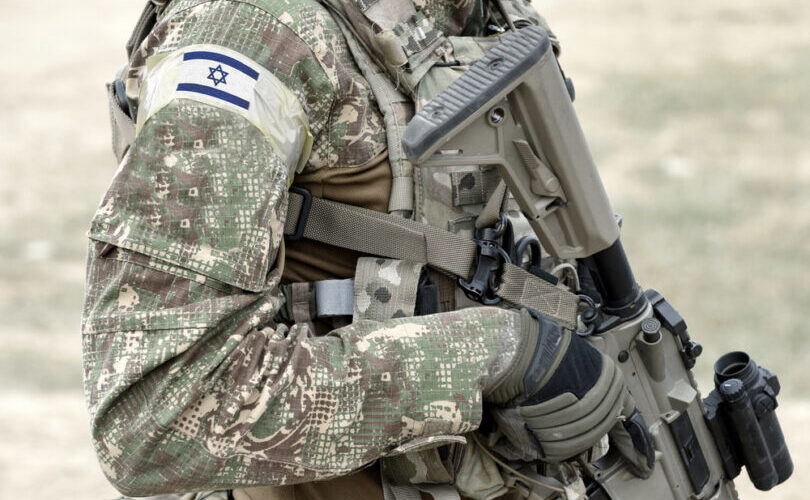
I report on footage showing Israeli soldiers firing tear gas into Bethlehem neighborhoods, the visible smoke that chased families from their homes, and why the presence of conflict in a place sacred to Christians matters beyond politics.
Video that circulated online captured thick plumes of smoke drifting through streets of Bethlehem, a city known around the world as the traditional birthplace of Jesus. The scenes are raw: residents coughing, hurriedly gathering children and belongings, windows fogged with residue. For many, those images are a stark reminder that violence can intrude even into places meant for worship and quiet reflection.
Bethlehem’s religious importance makes any clash there especially sensitive, and that sensitivity drives reactions far beyond the immediate neighborhood. Churches, monasteries, and pilgrimage routes draw international attention, and images of families fleeing add emotional weight to the story. People who travel for faith expect safety, not the sound of gas canisters and the sight of smoke over rooftops.
From a law and order perspective, nations and militaries face hard choices when dealing with crowd control and unrest in civilian areas. The use of tear gas is typically defended as a nonlethal tool to disperse violent crowds, but its deployment near homes and holy sites crosses lines for many observers. Officials must balance security needs with the moral duty to protect noncombatants, especially children and the elderly.
Those who back Israel’s right to defend its citizens point out that troops operate in a complex, dangerous environment where threats can emerge suddenly. Supporters argue that commanders must have options short of lethal force when trying to restore order. At the same time, advocates for civilians demand clear rules of engagement that minimize harm to families and preserve sacred spaces.
There is also a political angle to how these images are used. In today’s media environment, a few seconds of footage can frame an entire narrative and pressure international bodies to react quickly and loudly. Republicans tend to favor measured responses that recognize security realities while calling for accountability when operations go too far, avoiding quick condemnations that ignore context.
The human cost is immediate: parenting interrupted, schools and markets disrupted, and a deeper anxiety about safety in daily life. For Bethlehem’s residents, the momentary sensation of smoke can leave lasting trauma for children and elders forced to flee their homes. Local leaders and humanitarian groups must be allowed to assess needs on the ground and deliver aid without becoming pawns in broader political disputes.
Preserving access to holy sites should be a shared priority, regardless of one’s views on the broader conflict. Pilgrims and local worshippers alike deserve protection so religious traditions can continue without fear. That is a practical concern and a moral obligation that crosses partisan lines, even when debate about tactics remains sharp.
Accountability and transparency should follow any operation that impacts civilians. Independent monitoring, timely reporting, and clear communication from military and civilian authorities help restore trust and reduce dangerous misunderstandings. Those steps, coupled with a firm commitment to protect families and sacred places, are the minimum the public should expect when violence spills into cities like Bethlehem.
