
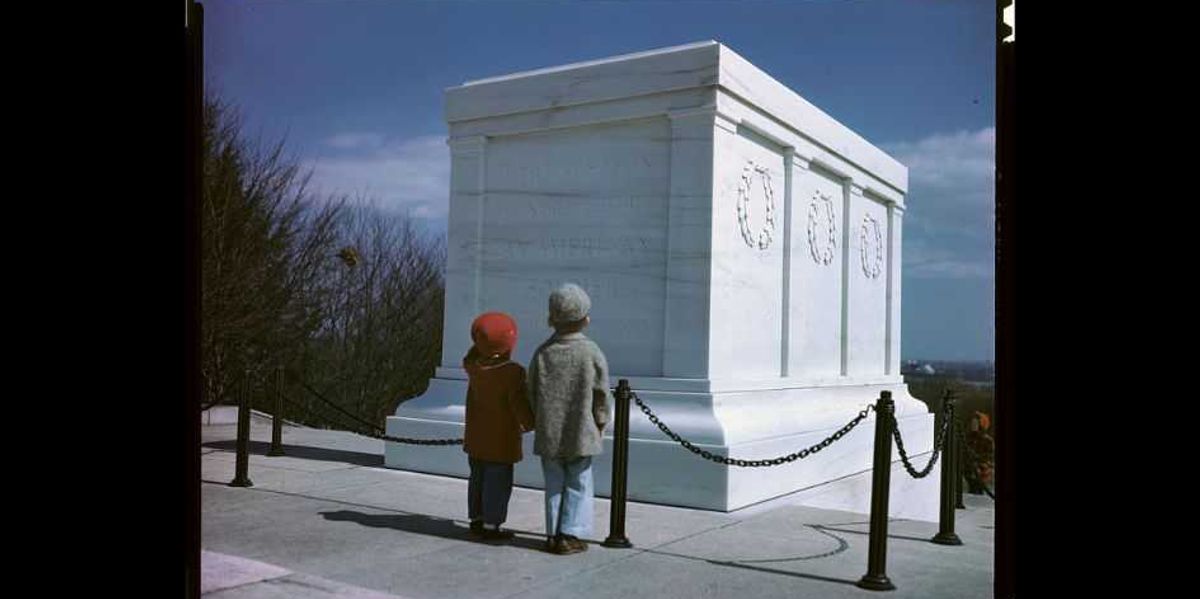
Memorial Day asks us to stop and remember the people behind the dates and headlines — ordinary Americans whose lives were cut short in war. This piece moves through different ways the holiday lands on us, then pauses at a handful of names and moments that make the abstract, painfully human.
People experience Memorial Day in many ways: for some grief is a daily companion, for others the holiday is more of a family story or a historical note. Still others feel only a quiet gratitude for service and sacrifice, which is a valid response. What the holiday presses on us is a simple duty: to remember individuals, not just events.
James Robert Montgomery was a 26-year-old in the Confederate signal corps who, mortally wounded at Spotsylvania, wrote a last message home in ink stained with blood. “I write to you because I know you would be delighted to read a word from your dying son.” Those lines reveal how, even at the edge of death, he thought first of consoling his family. In his final note he also wrote, “I would like to rest in the grave yard with my dear mother and brothers but it’s a matter of minor importance,” and signed off as “your dying son.”
Bert Stiles wanted nothing more than to become a writer; before World War II he was a young man from Colorado pouring himself into stories and summer work as a junior forest ranger. He published pieces and dreamed of literary life, then joined the air war over Europe and kept writing from the sky. He finished a tour in B-17s, volunteered for more, and died at 23 — a reminder that potential and promise are no safeguard against history’s violence.
Ernie Pyle made a point of writing about the man in the foxhole, giving names and small habits back to soldiers who might otherwise be reduced to a number. His account of Captain Henry T. Waskow captures this commitment:
Capt. Waskow was a company commander in the 36th Division. He had led his company since long before it left the States.
