
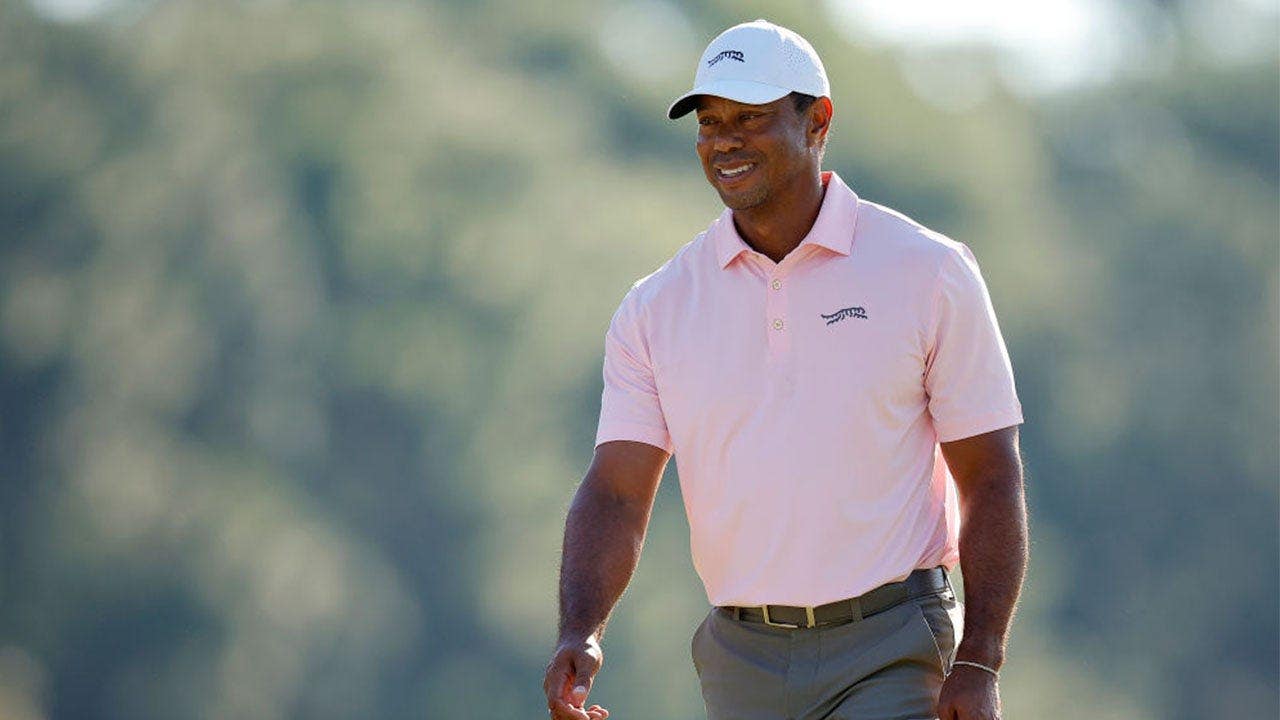
Tiger Woods ended a nearly two-month silence with a Memorial Day post that paid tribute to his father’s military service and honored those who made the ultimate sacrifice. The brief message landed on a day meant for reflection, and it immediately put the spotlight back on one of golf’s most recognizable figures. For many fans, it was a quiet, fitting reminder of why the holiday matters and why public gestures still carry weight.
Woods had been largely absent from public commentary for weeks, and his Memorial Day note marked a notable return to the conversation. He didn’t dig into details or draw headlines with proclamations; instead, he used the moment to salute service and sacrifice. That restraint made the message feel sincere, not performative.
Memorial Day is a simple, solemn holiday for most Americans, and athletes who speak up often shape how their followers pause and remember. When high-profile figures acknowledge service members and fallen soldiers, it amplifies a national pause into a personal one for many fans. Woods tapping in on that day nudged conversations beyond scorecards and spotlight.
His mention of his father’s military service gave the message a personal anchor without turning it into a family biography. It reminded people that even globally recognized athletes carry private histories tied to service and sacrifice. That personal reference helped the note land with a human, relatable tone rather than a distant statement.
The content itself was compact and respectful, avoiding political posturing or broad explanations. Woods simply honored his father’s service and extended that respect to all who paid the highest price. That low-key approach kept the focus on remembrance instead of headlines.
Fans and casual observers reacted mostly with gratitude and quiet approval, treating the post as an authentic moment rather than a promotional move. Supportive replies and nods from the sports community emphasized that gestures like these still resonate. For many, it was less about the person delivering the message and more about the message being delivered at all.
Tiger’s stature in golf helps explain why even small posts become talking points, but the impact of this one came from its humility. It showed how a short, sincere expression can bridge the celebrity divide and remind people of shared values. That’s especially true on a holiday designed to remember others first.
Across sports, Memorial Day often prompts athletes to spotlight military service or to participate in ceremonies, and Woods’ post fit neatly into that pattern. When prominent players and public figures reflect publicly, it nudges crowds to think beyond entertainment. This isn’t a new trend, but it remains an effective one because it puts people in the right frame of mind for the day.
The message also suggests that Woods is comfortable returning to public life on his own terms. He didn’t use the platform to announce anything else or to steer attention to upcoming events. That kind of measured reappearance feeds a sense that he will engage thoughtfully when he chooses to do so.
Ultimately, the Memorial Day note was short, pointed, and respectful, and it did what such posts aim to do: remind readers of sacrifice, stir gratitude, and offer a personal connection to a national moment. For a figure like Tiger Woods, a brief expression of remembrance was enough to refocus attention where it belonged for a day.
