
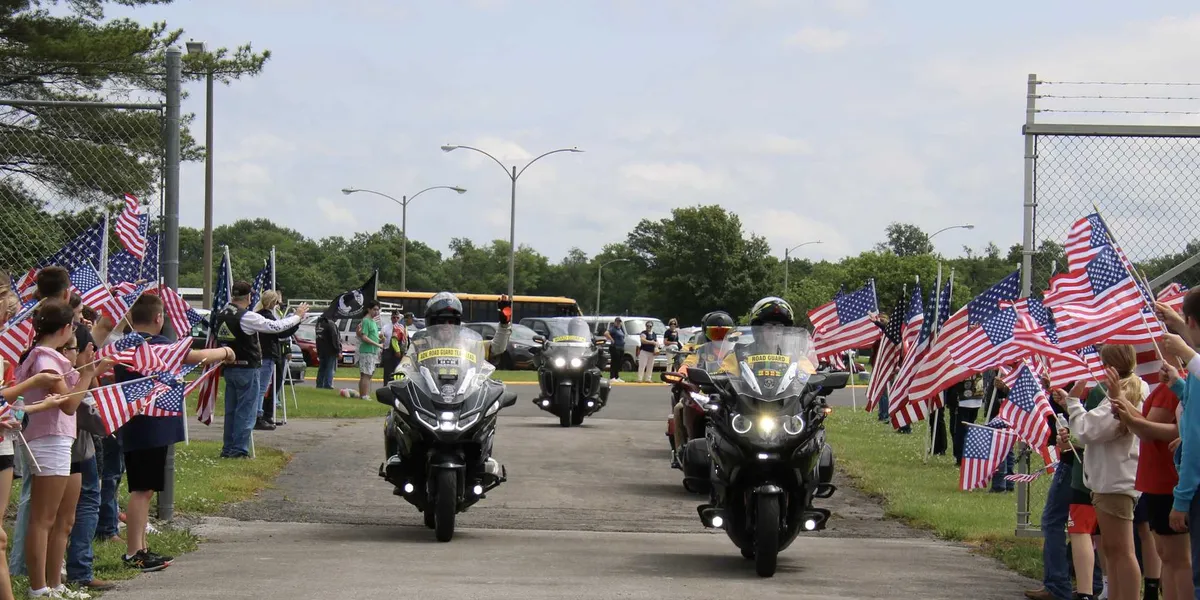
Run for the Wall gathered nearly a thousand motorcyclists who rode from California to Washington, D.C., to honor fallen and missing service members, stop in towns across America, and place the stories of the lost at the Vietnam Veterans Memorial Wall.
Run for the Wall began as a small effort in 1989 and has grown into a massive, organized cross-country tribute. Riders follow routes that thread through cities and highways, bringing attention to prisoners of war and those missing in action. The ride is steady, deliberate, and built around remembrance rather than spectacle.
The trip lasts about ten days and this year sent participants along Central, Midway, and Southern corridors that converge at the Vietnam Veterans Memorial Wall in D.C. A separate Sandbox Route travels to the Middle East Conflicts Wall Memorial in Marseilles, Illinois, honoring more recent sacrifices. The logistics are complex, but the focus stays simple: memory and respect.
Local communities turned out to meet the riders, lining streets and waving flags as the convoy rolled through. Small towns became stages for ceremonies, parades, and conversations with veterans and families. Those interactions are the heartbeat of the event, where personal grief meets public gratitude.
For many riders the ride’s motto, “We ride for those who can’t,” means more than a tagline; it’s a pledge. Each leg of the journey is dedicated to a specific service member who was killed, missing, or taken as a prisoner of war. Names are chalked on the pavement and photos and biographies are displayed so strangers can stop, read, and remember.
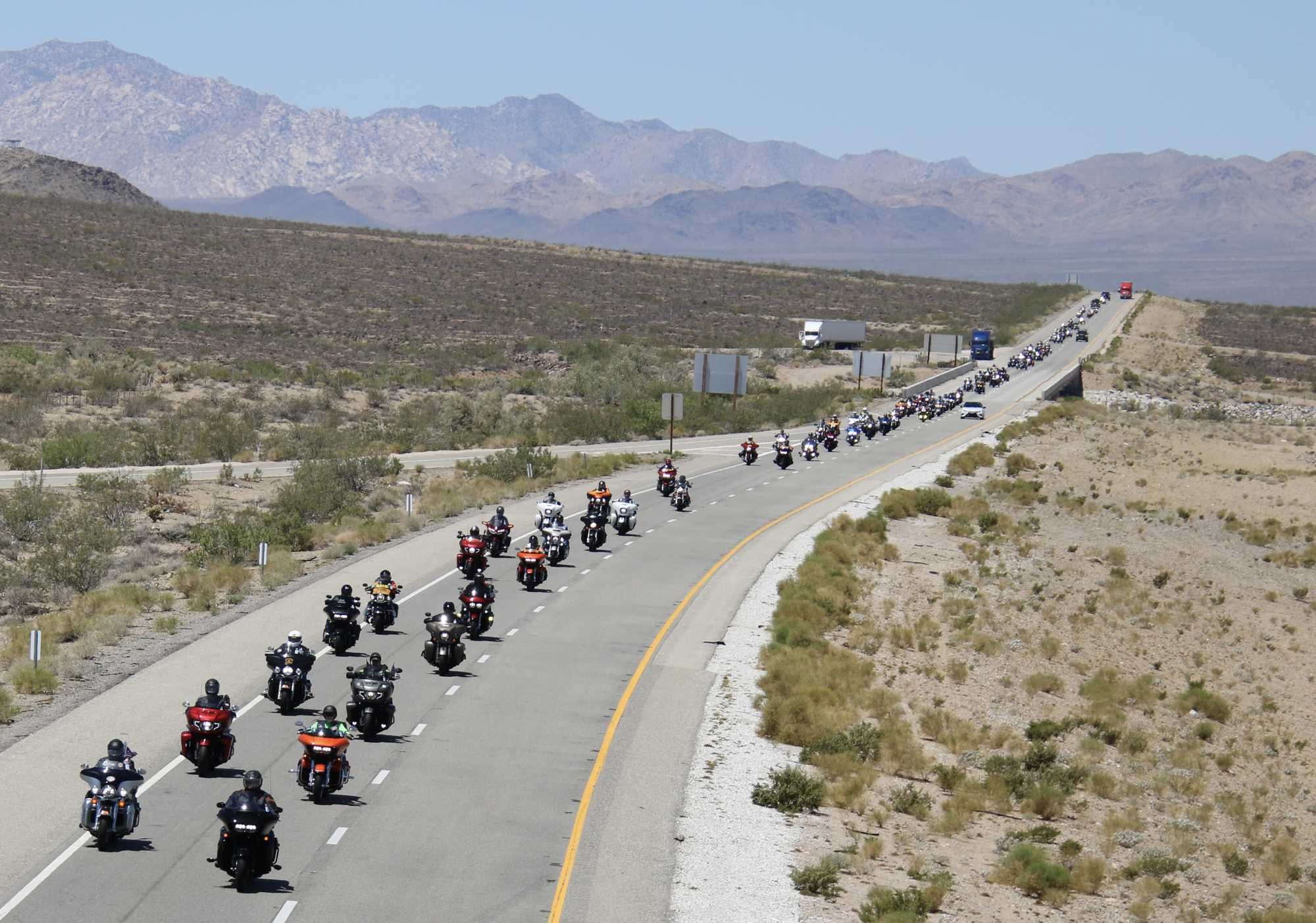
At the head of the group the Missing Man Formation serves as a visual benediction. Five motorcycles form a gap for a sixth rider, symbolizing the absence of a comrade. Those formations cut through crowds and leave a hush that’s hard to forget.
Ted “Boots” Kapner, RFTW’s public relations director, describes how the event reshaped his sense of Memorial Day after joining in 2017. He hosts the RFTW podcast and spends hours preparing the biographies that will travel with the riders. “I feel like for every bio that I read on the podcast, I get to know them,” he stated, describing learning about their family and where they grew up.
Kapner doesn’t treat the bios as headlines; he treats them like human lives in full. “I carry these bios with me and deliver them to the wall; it’s not just a barbecue and a celebration, it’s really a day of solemn remembrance.” Riders place those biographies at the exact panel on the Wall where each name appears, turning abstract loss into personal connection.
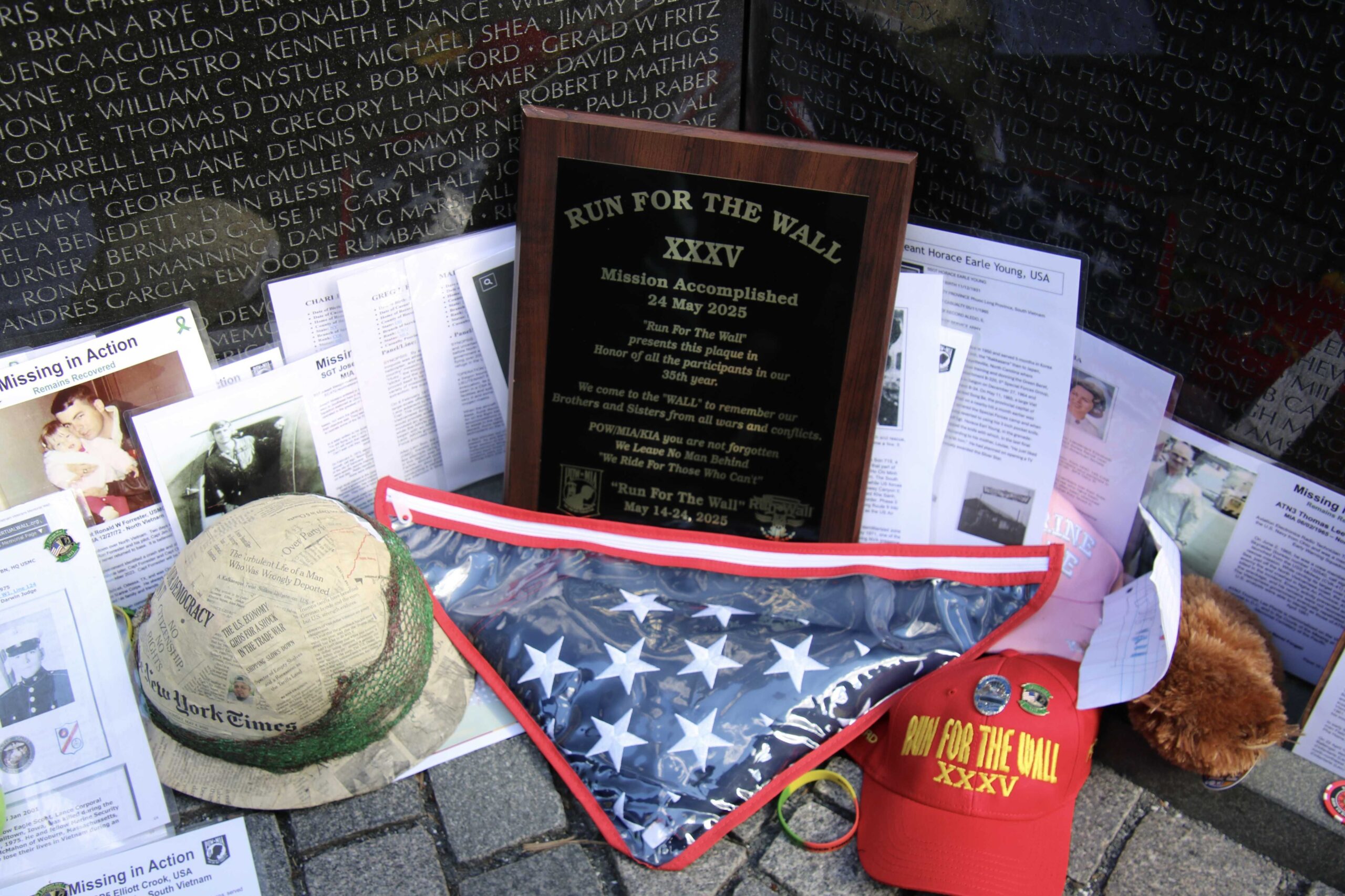
Arriving at the Vietnam Veterans Memorial Wall is an emotional endpoint for the riders. The procession ends and the crowd’s energy shifts into a quiet, shared grief as photos and remembrances are laid against the granite. “We’re all in tears, and we’re all there, arm in arm, supporting one another,” Kapner told Blaze News. “It’s a family. … It restores my faith in America and in humanity.”
Those moments on the Mall strip away the political noise and spotlight the human cost of service. Riders come from many walks of life, but once they reach the Wall they stand together, read names, and honor stories that otherwise might be forgotten. The ritual is small, precise, and powerful.
Run for the Wall also connects generations; veterans from different eras ride side by side and younger relatives often take part to learn about a father or sibling. Parades and ceremonies in towns like Gallup, New Mexico, anchor the trip with community recognition and meals shared between veterans and locals. These pitstops turn a cross-country route into a chain of communal remembrance.
Organizers stress that Memorial Day is more than a long weekend. Riders and volunteers ask Americans to pause and remember the cost of freedom rather than only celebrate. The ride’s structure—routes, ceremonies, formations, and the Wall placement—gives grieving families a public way to be seen and heard.
The convoy’s scale and consistency are striking: nearly a thousand participants this year and decades of runs behind them. RFTW’s endurance as an event underscores a simple truth: rituals matter and so do the people they honor. The motorcycles are loud, the receptions are warm, and the purpose remains solemn and steady.
Run for the Wall is a moving blend of travel, ceremony, and memory that asks Americans to look up from routine and remember names, faces, and stories carved into stone. The riders bring those stories home, point to panels on the Wall, and hand over biographies so the fallen are counted, known, and respected.
