
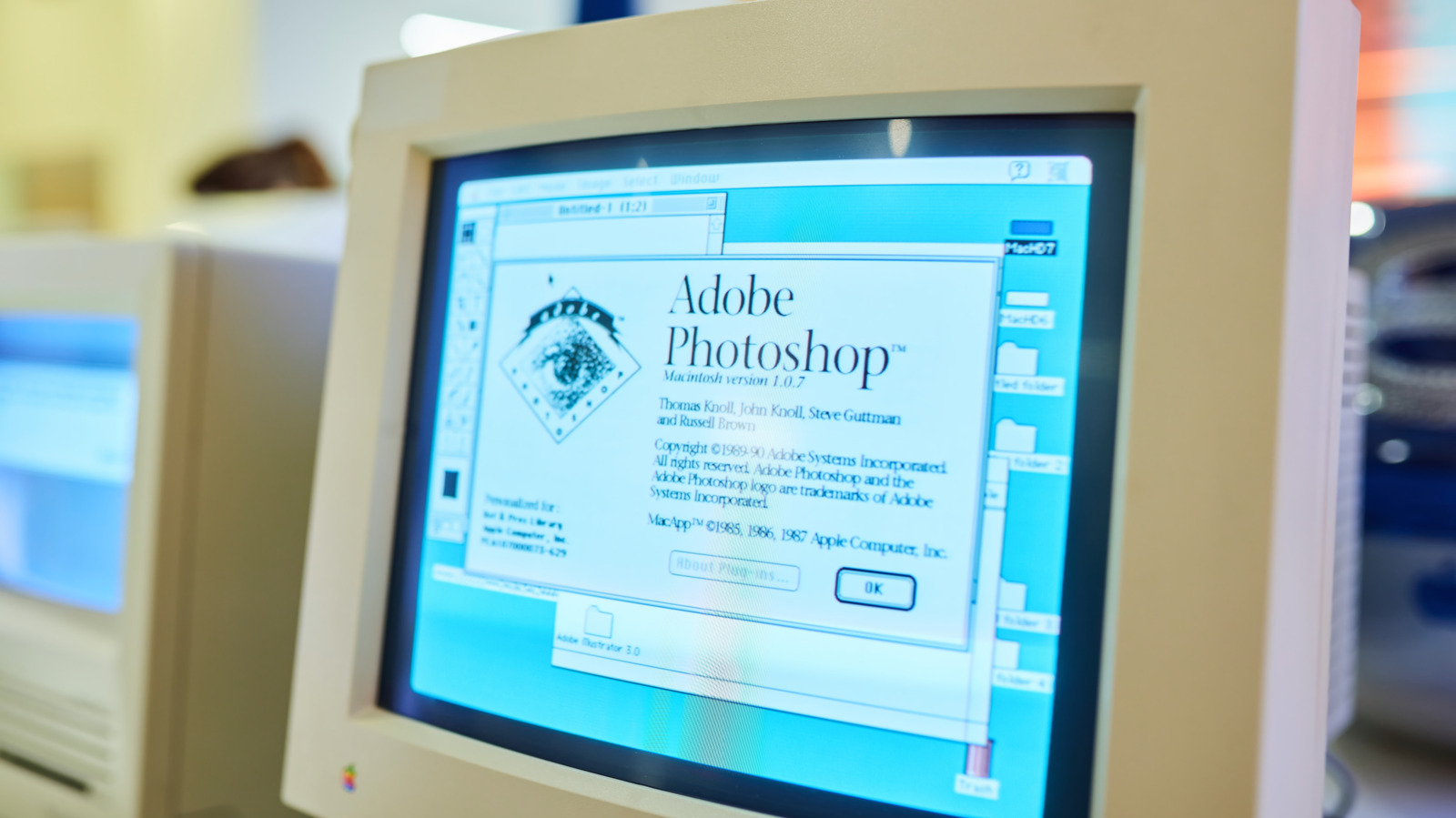
This piece tracks a simple origin story: a PhD student in the 1980s started a side project and called his brother in to help. That little experiment grew into a tool that rewired how people touch, craft, and think about images. The article traces the spark, the collaboration, the shockwaves through creative work, and the ongoing consequences of that single moment of invention.
It began as a curiosity more than a business plan. A graduate student, tinkering between research and late-night exploration, sketched code that bent pixels into new shapes. When his brother joined, the project moved faster and sharper, gaining features that the lone tinkerer had not imagined. That partnership took a hobby out of the lab and pushed it toward the wider world.
Their work wasn’t a polished product at first, it was a set of ideas made usable. They pushed simple functions into a user-friendly set of tools that let people erase, blend, and transform images with speed. That shift from arcane commands to approachable controls is what turned experimentation into adoption. Suddenly, editing stopped belonging only to specialists and started to belong to anyone with a computer and an eye.
Because the tool lowered barriers it rewired creative workflows fast. Photographers who once layered film negatives could now achieve effects in minutes. Designers set aside expensive darkroom time and swapped files instead of trays of chemicals. Publishers and advertisers adjusted too, embracing a faster cycle where images could be tailored and retargeted almost instantly.
That new agility produced an explosion of visual styles. People began to explore aesthetics that were either subtle or wildly impossible before. New genres emerged online as hobbyists and professionals alike pushed the tool beyond original intentions. That kind of experimentation changed expectations about what images could do and how quickly they could change form.
Not every consequence was tidy. The same power that let artists refine a portrait also made it trivial to fabricate scenes and alter truth. Questions about authenticity, copyright, and responsibility followed on the heels of creative liberation. Workflows shifted as teams adjusted to a world where a single edited frame could travel the globe in seconds and be hard to refute.
Business models adapted too, as the software ecosystem matured. Plugins, filters, and companion apps arose to fill niche creative needs and to monetize newly discovered capabilities. Training programs and entire careers grew around fluency with the tool, and software companies learned to build platforms that encouraged both innovation and subscription revenue. That commercialization helped the technology spread but also shaped how it evolved.
Institutions and industries absorbed the change unevenly. Some embraced the productivity gains and new markets, while others worried about the erosion of craft or the loss of gatekeepers. Even so, the tool became a kind of lingua franca for image work, a shared platform for schools, studios, and freelance creators. Its reach reminded everyone that a compact idea, born in a dorm room or office, can ripple across fields and practices.
What started as a sideline experiment ended up altering expectations about speed, skill, and possibility in visual media. The collaboration between a student and his sibling produced more than software; it nudged culture toward a future where creative control is widespread and the rules keep changing. That ongoing flux keeps pushing people to rethink how images are made and why they matter.
