
The United States once enforced two no-fly zones over Iraq to protect vulnerable populations after the Gulf War, and the case can be made now for a similar posture to secure the Strait of Hormuz. This piece argues for stepped-up U.S. and allied operations against the Iranian Revolutionary Guards Corps (“IRGC”), a defined “no fire” and then “no movement” buffer off Iran’s coast, and a clear message to NATO and Europe that America will protect global waterways but will not indefinitely bear the full cost alone.
The old Iraq model matters because it worked as a targeted, sustained posture that limited aggression without full-scale occupation. In 1991 and 1992 the northern and southern no-fly zones sheltered Kurds and Shia alike after Saddam’s brutal reprisals and massacres, preserving lives and buying time. We should borrow that restraint and discipline now, not to tangle in endless nation building but to impose practical limits on a threatening regime.
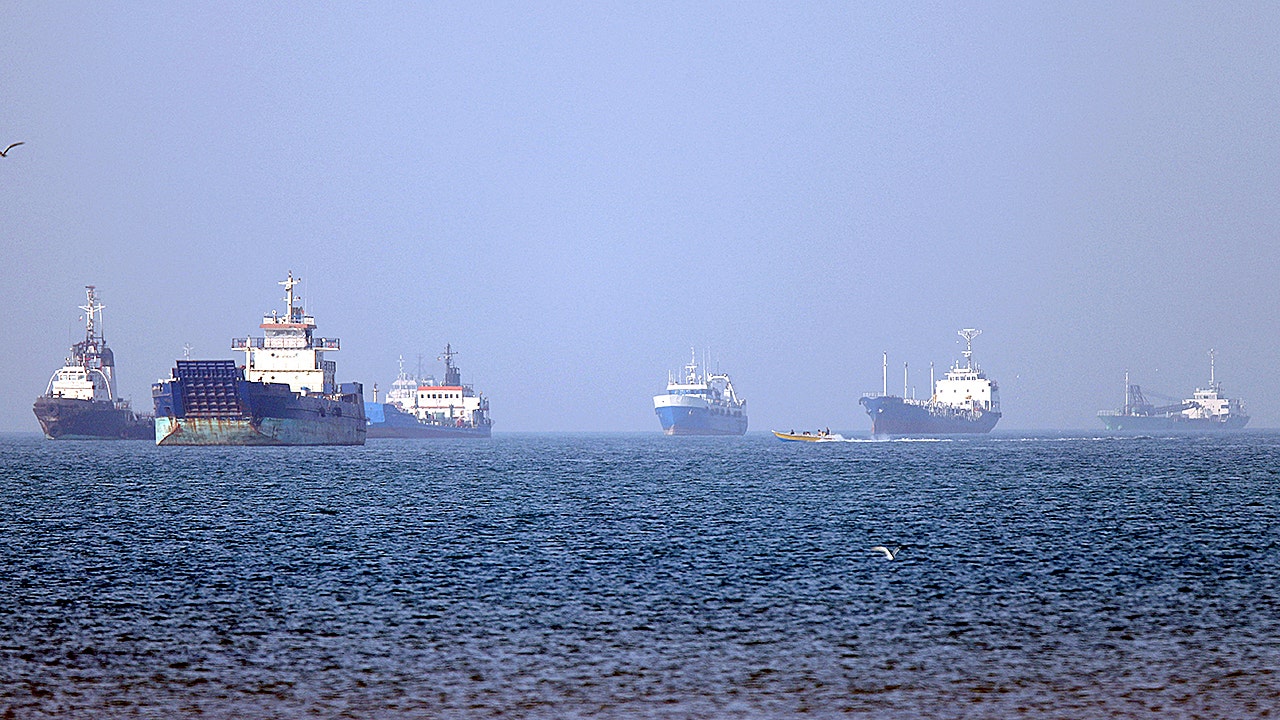
The Strait of Hormuz is critical to the world energy supply and to the global economy, and Iran’s IRGC has turned it into a zone of persistent risk. Mines, missiles, and drones are the tools of choice for Tehran’s maritime harassment, and those threats can be neutralized without a protracted land war. The question is whether the United States and its partners have the will to act decisively and sustain a defensive posture there.
TRUMP PRESSES NATO PARTNERS ON SUPPORT AS HEGSETH BLASTS HESITATION
The right course is a campaign of calibrated combat operations focused on silencing the IRGC’s strike capabilities and command nodes. Once major combat operations achieve their objectives, a “no fire” zone extending roughly a hundred miles from the Iranian coast should be declared to keep missile launchers and mine-laying crews at a safe distance. If attacks continue, the next step must be a “no movement” zone enforced by allied naval and air assets to deny hostile vessels and fast attack craft freedom to operate.
Enforcing those zones will require persistent U.S. presence and close allied cooperation, but it will not be open-ended occupation. Patrols, interdictions, and targeted strikes against offensive systems are the tools of a disciplined deterrent. This posture protects global commerce and buys breathing room for diplomacy, while imposing real costs on bad actors who choose confrontation over restraint.
Allies must step up. NATO and European capitals cannot treat critical international waterways as a free service America provides. Europe has benefitted from American security for decades, and the time has come for those who rely on global order to shoulder their proportionate share of the burden, not just offer token gestures and press conferences.
If Europe refuses meaningful commitment, then Washington should adjust strategy and defense funding expectations accordingly. America can certainly carry the load, but carrying it alone changes the political calculus at home and abroad. It is reasonable to tell allies that generous security has always come with an expectation of reciprocity and financial responsibility.
The Gulf alliances, and formations like “the Quad” in the Pacific, may well become the front line of Western security when it comes to vital sea lanes. Regional partners have a direct stake in keeping commerce flowing and should be first in line to contribute forces, bases, and logistics. A hardened, cooperative maritime posture lets the United States concentrate resources where they matter most while making clear that aggression will not be tolerated.
Deterrence works when it is credible and persistent, and the IRGC needs to understand that belligerence brings decisive consequences. This is not about punishing a nation for the sake of it; it is about defending international law and the free movement of trade against well-documented attacks. The West faces a choice: enforce the rules that protect prosperity or normalize a dangerous new pattern of maritime coercion.
