
Battlefields have changed and so must our strategy. The hard lesson of recent campaigns is that the final stretch of degrading a rival’s military costs far more than the opening blows, and that reality should steer how America uses force, spends on defense, and protects the homeland.
The last four years show a clear pattern: cheap, lethal tools and data-driven targeting have shifted the economics of war. Wars in Europe and the Middle East proved that drones, precision munitions, and distributed command make attrition both cheaper and more chaotic for smaller powers, while imposing steep bills on traditional defenses. That inversion forces a rethink of what victory looks like and what price we are ready to pay to pursue it.
The Russia-Ukraine fighting remains a sobering case in point, with appalling human costs and a largely frozen front despite massive casualties. A conventional view would expect territory to trade hands rapidly when losses are so high, but modern sensors, standoff fires, and battlefield robotics have produced long, grinding lines instead of quick, decisive swings. The result is a costly stalemate that changes Europe for a generation without delivering clear political outcomes.
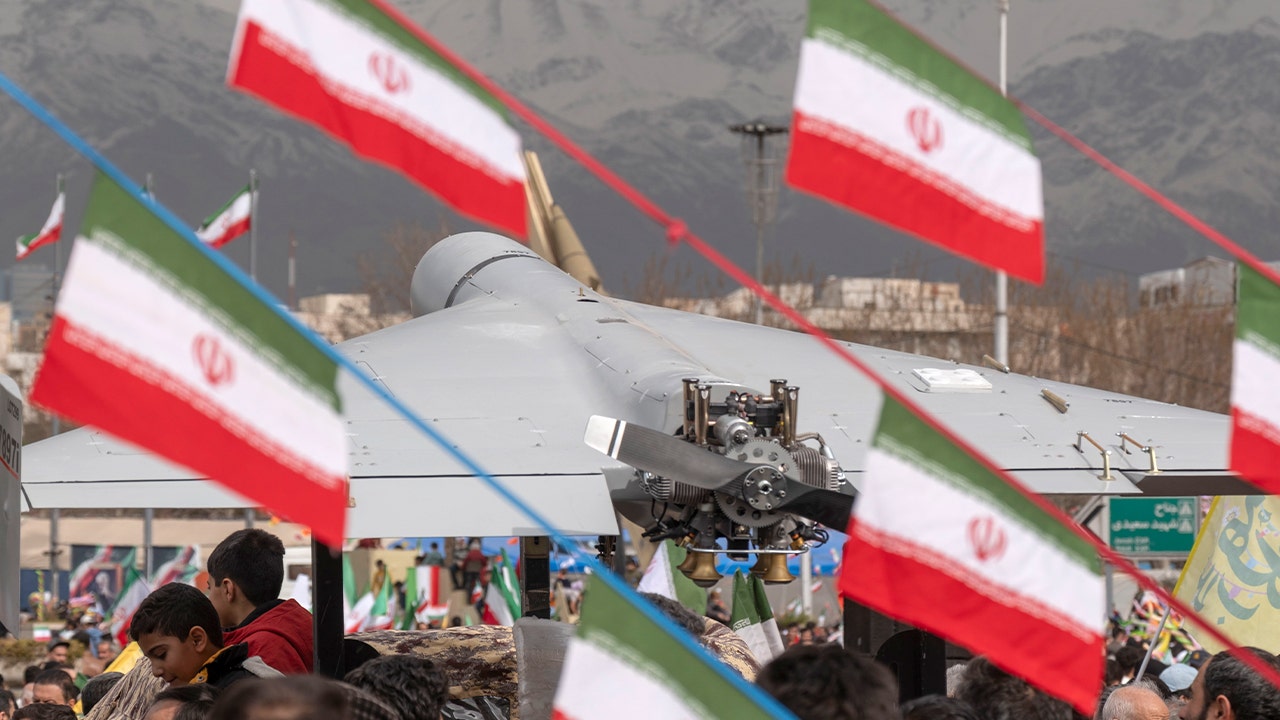
The Iran episodes compressed the same dynamics onto a tighter timeline and pushed American leaders to confront difficult trade-offs. Two major operations inflicted severe damage on Iranian infrastructure and leadership in rapid strikes, yet Iran responded with waves of missiles and one-way attack drones that strained allied air defenses. The ability to degrade an opponent’s systems is no longer synonymous with coercing its political will to bend in predictable ways.
Call this reality the “Final Ten Percent,” the phase where conventional superiority stops buying political results at a reasonable price. Cheap attackers force expensive defenders to spend disproportionately, and the last steps toward decisive outcomes demand costs that rise steeply. That arithmetic matters to any administration weighing escalation; the sober political choice may be restraint more often than the appetite for another round of high-cost strikes.
Look at the numbers. Low-cost attack drones and cruise missiles can be produced in the tens of thousands at tiny unit prices while interceptors and batteries cost millions or billions. Even with high tactical interception rates, the campaign-level cost ratio favors the attacker because each forced intercept is a strategic win for the side that can afford attrition. That mismatch is not theoretical; it showed up in theater accounting and in the fragile economies of our partners.
The procurement problem is obvious and fixable if we choose to fix it. We still buy exquisite platforms that we must have, but we underinvest in attritable systems, cheap interceptors, and directed-energy options that change the economics of defense. A national push to produce affordable countermeasures and mass-producible effects would close the gap the National Security Strategy described when it said “the huge gap, demonstrated in recent conflicts, between low-cost drones and missiles versus the expensive systems required to defend against them has laid bare our need to change and adapt,” and that “America requires a national mobilization to innovate powerful defenses at low cost.”
Policy follows reality. The NSS also establishes a “Predisposition to Non-Interventionism” that aligns with a prudent approach: defend the homeland, deter near-peer threats, and avoid endless foreign entanglements that yield little strategic gain. Practically, that means consolidating operational gains where they exist, shifting burdens to partners when feasible, and focusing investment on capabilities that deter rather than invite costly escalations.
This is not pacifism or retreat; it is discipline guided by sober cost-benefit judgment. The United States must deter China in the Indo-Pacific, secure the Western Hemisphere under a Trump Corollary to the Monroe Doctrine, and retain exquisite capabilities while scaling up attritable mass. If procurement and industrial posture stay stuck on boutique systems alone, we will be outgunned in the wrong dimension when the next crisis hits.
Military power must be married to political clarity. Superior force only matters if it achieves defined political ends at acceptable risk and cost, and the Final Ten Percent shows too often that brute military damage does not automatically translate into strategic success. Republicans should push for restraint where escalation produces diminishing returns and back a real mobilization to fix the economics of defense so American strength remains usable, credible, and affordable.
