
This piece argues that New York City politics have shifted into personal attacks on success, using a mayoral spectacle against a billionaire as an example, and warns that such actions drive jobs and investment away while teaching people to distrust capitalism and depend on government instead.
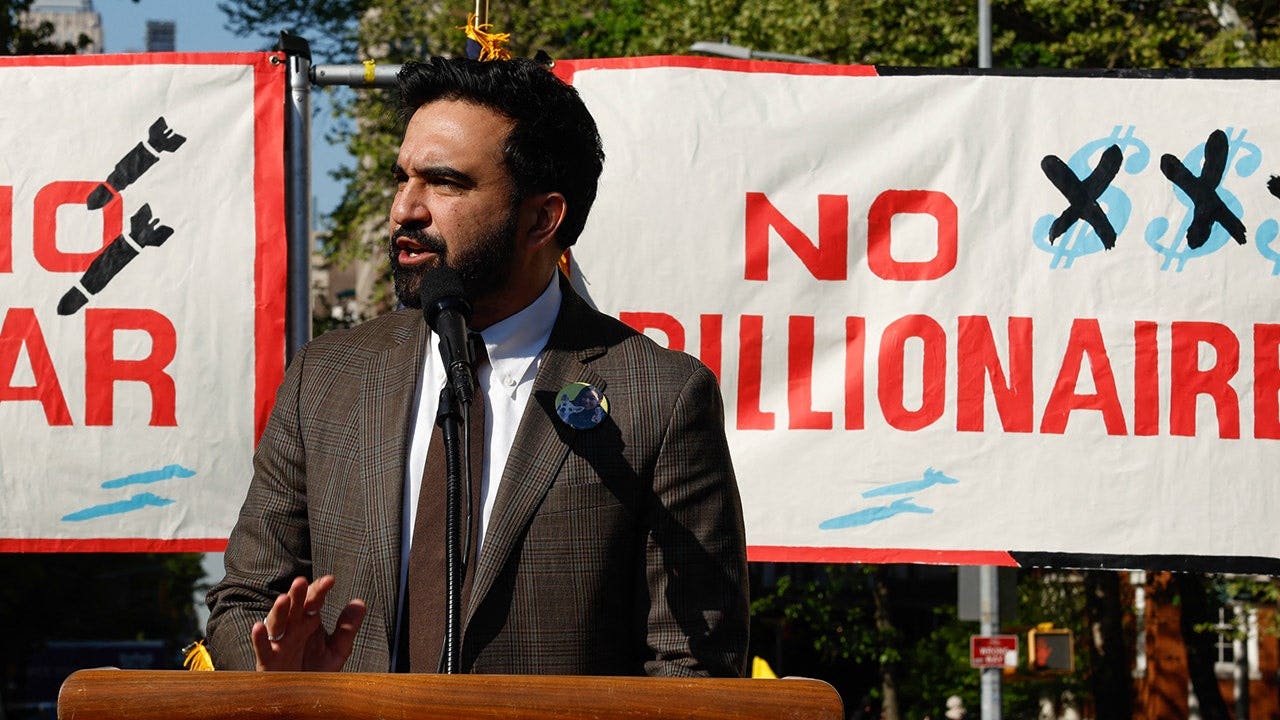
Zohran Mamdani staged a public confrontation aimed at Ken Griffin, not for any crime, but to make a rich man a symbol of systemic rot. The episode on Tax Day outside a multimillion-dollar penthouse was theater, plain and simple, intended to stir anger rather than fix problems. Turning individual success into a villain for political gain is a cheap play that confuses frustration with solutions.
I watched this unfold while walking across the country raising funds for opportunity and leadership on the South Side of Chicago. My mission is to push young people toward ownership, work, and upward mobility, not toward blaming those who built businesses and created jobs. When leaders single out achievers, they teach kids to resent success instead of learn from it.
ZOHRAN MAMDANI FACES BACKLASH OVER ‘CREEPY,’ ‘UNETHICAL’ VIDEO FILMED OUTSIDE BILLIONAIRE KEN GRIFFIN’S HOME
Ken Griffin didn’t get labeled because he dodged taxes or broke laws; he was singled out because his rise is obvious. He began from modest roots, traded in college, scaled a firm into a major employer, and put money into museums, universities, and research. That kind of civic reinvestment matters because real wealth often gets funneled back into communities, not just hoarded away.
Politicians like Mamdani make themselves the center of attention by pointing and declaring, “There is your enemy.” It sounds theatrical because it is. Casting a successful businessman as a boogeyman serves to build a political brand while ignoring the real costs of chasing away capital and entrepreneurship.
There are real consequences when cities make a show of punishing the successful. Citadel had plans that would have brought thousands of jobs and large redevelopment investment, and moments like this push decisions toward friendlier climates. Wealth and jobs move to places that welcome them, not to places that stage public shaming for headlines.
CHICAGO KNOWS WHAT HAPPENS WHEN KEN GRIFFIN TURNS ON A CITY, NOW MAMDANI MAY FIND OUT
The people who lose in this theater are workers and neighborhoods that never get rebuilt. When companies pull projects and move capital elsewhere, the loss is tangible: fewer hire dates, fewer payrolls, and fewer revitalized main streets. For communities already hurting, those are not abstract figures; they are the doors that stay closed.
What Mamdani promotes is a worldview where the private sector is reflexively suspect and government is the only redeemer. That story nudges citizens toward dependence, not empowerment, and it trains youth to believe that success must be punished rather than encouraged. Teaching people to hand over their futures to a big bureaucracy is not compassion; it is control dressed up as virtue.
As a pastor and someone who fights for opportunity, I reject the idea that wealth itself is evil. The real problem is the love of money when it eclipses decency, but attacking private citizens and transferring their earnings into sprawling government programs is thinly veiled confiscation. Ordinary people rarely benefit when politicians lean on resentment; the real winner is a government that grows and asks for more.
Choosing resentment over responsibility is a political choice with measurable fallout. From where I stand, in neighborhoods that need jobs and rebuilding, I want leaders who attract capital, not scare it off. Success creates chances for others to rise; politics that tear success down leave communities poorer and less hopeful.
