
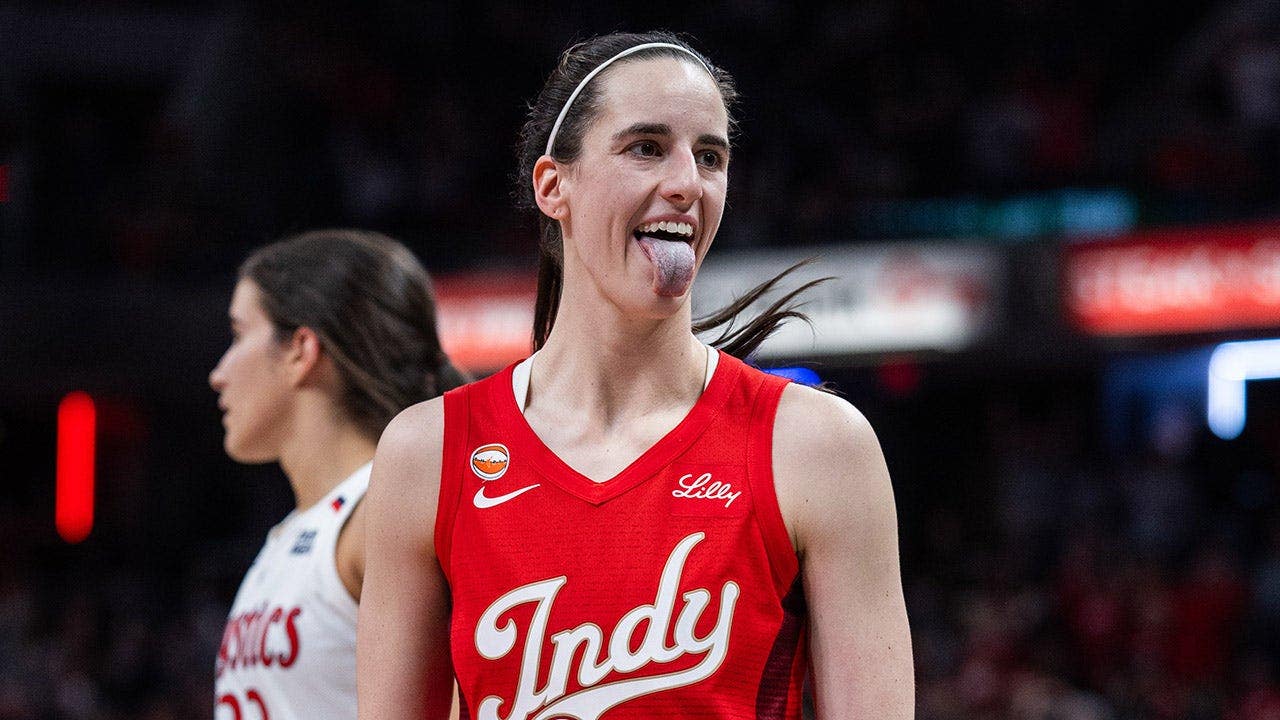
Caitlin Clark has drawn intense attention for her turnovers, and WNBA broadcaster Kate Scott pushed back during a recent broadcast by placing Clark’s numbers alongside NBA turnover leaders; meanwhile Angel Reese tops the WNBA leaderboard in turnovers. This piece looks at the debate, the context behind turnover totals, and why simple box score tallies can mislead when you ignore usage, role, and playmaking responsibility.
The criticism of Clark’s turnovers has become a headline-grabbing narrative, but broadcasters and analysts are starting to push back. Kate Scott argued that raw turnover totals need context, suggesting it is unfair to treat Clark differently than high-usage NBA guards who also cough the ball up. That framing forced a wider conversation about how we measure mistakes and responsibility in modern pro basketball.
Turnovers are noisy and dramatic, which makes them an easy target for hot takes. A live steal or a miscommunication shows up instantly, and social feeds amplify those moments. But the deeper story is often buried: who is creating chances, who is handling the ball under pressure, and how does that influence the rate of turnovers?
Usage matters. Players who are primary ball handlers, initiators of offense, and frequent creators will naturally have more opportunities to turn the ball over. That does not excuse every mistake, but it does change how we interpret the raw numbers. Comparative analysis that ignores usage risks punishing the person the team relies on most to make plays.
Context also shifts when you consider who benefits from those risky plays. High-volume creators often force the defense to react, producing assists, free throws, and high-value scoring chances that follow a turnover. The trade-off between creating offense and risking a turnover is a fundamental part of modern guard play, and many coaches prefer aggressive creation despite the occasional turnover.
Angel Reese leading the league in turnovers is a reminder that players across roles can accumulate miscues. Her style and the minutes she plays factor into that ranking. Naming the turnover leader without discussing role and minutes can mislead readers into thinking the turnover stat is a standalone indictment rather than a piece of a larger performance puzzle.
Broadcasts like the one with Kate Scott help shift the conversation from shallow stat-shaming to more useful questions. What was the game situation? Was the turnover a result of a forced pass, a jump ball, or a risky attempt to break down a defense? When commentators layer in that kind of context, viewers get closer to understanding true value on the floor.
That said, turnover reduction is still a legitimate coaching focus. Teams drill fundamentals, decision-making, and spacing specifically to limit careless errors. Players who can combine creativity with disciplined decision-making raise a team’s ceiling, and coaches will prioritize cleaning up the simplest, most avoidable mistakes first. Fans and analysts can recognize both the player’s creative responsibility and the real need to tighten up execution.
The debate also highlights how different audiences consume basketball. Some viewers care most about flashy plays and scoring; others track advanced metrics like turnover rate per possession or value-added plays. The gulf between those perspectives fuels heated commentary, but it also presents an opportunity: smarter discussions and better-informed fans who judge performance with nuance.
At the end of the day, turnovers will always be part of the conversation for any ball-dominant player. What matters is whether criticism is fair, informed, and proportionate. Broadcasters pushing for context and comparison to similar roles in other leagues move the needle away from click-driven outrage and toward analysis that actually helps fans and players understand the game better.
