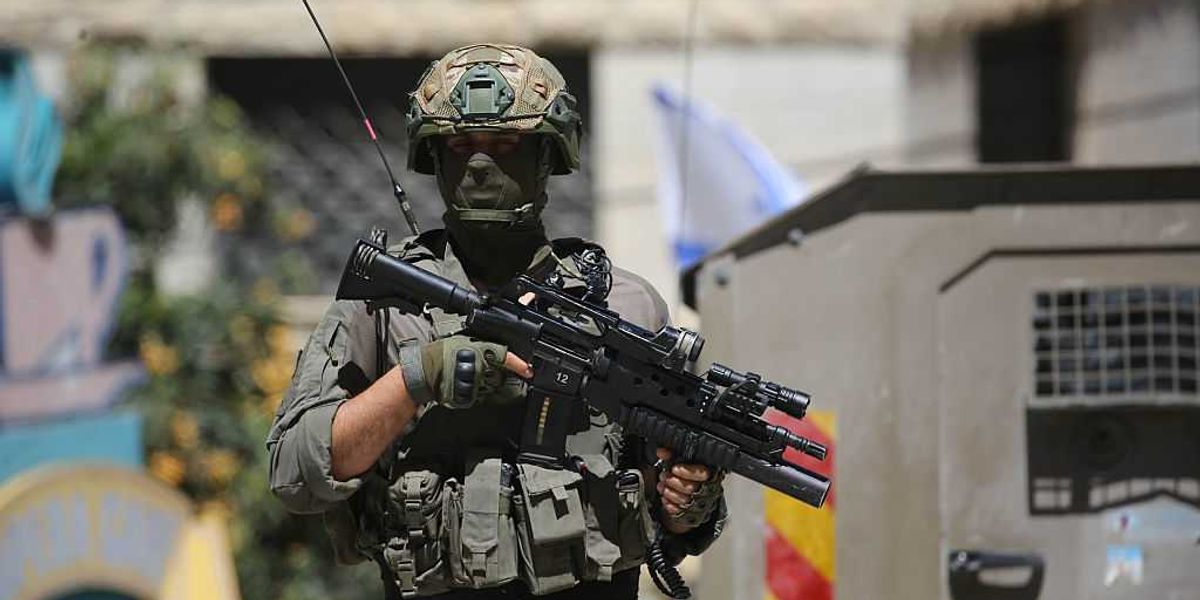
This piece walks through a bold daytime raid into Gaza that freed four hostages, the cost paid by the rescuers, the legal and moral framework a nation uses when citizens are taken, and how international outrage often misses the point. It follows testimony from soldiers and families, explains why such rescues matter, and compares the operation to a recent U.S. combat search and rescue to show common military logic. Read it as a clear case that some responsibilities are not optional for a sovereign state.
On June 8, 2024, Israeli special forces struck deep into a dense refugee camp to recover four kidnapped civilians. The hostages were being held inside civilian houses in a part of Gaza controlled by hostile forces. The raid moved under heavy fire and depended on tight intelligence and precise execution; one mistake could have cost lives on all sides.
I gathered firsthand accounts from the soldiers who entered the camp, from the commanders who planned the timing and routes, and from families who had waited months for any good news. What emerged in those interviews is a clear, moral logic: when a nation’s people are seized by terrorists, leaving them behind is not an option. The operation succeeded in bringing four people home alive, but it was not without sacrifice.
“Any sovereign nation subjected to such a vicious assault bears both a political and moral responsibility to bring its citizens home.”
The mission returned Noa Argamani, Almog Meir Jan, Andrey Kozlov, and Shlomi Ziv to their families after they had been taken on October 7, 2023. One commander, Chief Inspector Arnon Zmora, was mortally wounded and the mission was later renamed in his honor. The personal cost for soldiers and for the families of the fallen was immediate and brutal, and it deserves to be part of any honest conversation about what took place.
The operation’s critics focused on civilian casualty numbers and legal points about distinction and proportionality. Those concerns deserve scrutiny, but they started from a frame that often ignores the reality on the ground: terrorists hide among civilians and use innocent people as shields. That brutal choice by militants does not absolve a government of its duty to act, nor does it remove the responsibility of the attackers who placed hostages inside civilian homes.
Some observers treated the raid as though the only relevant metric was a tally of bodies, not the rescue of living citizens who had been taken by force. That misses the point that governments exist first to protect their people. The “no man left behind” ethic is embedded in militaries for a reason; it’s a promise to citizens and to the families of the fallen that their lives matter and will be defended.
There is precedent for targeted rescues in modern history where necessity and force were weighed against the imperative to recover people taken by hostile actors. International law does prohibit hostage-taking in conflict, and it also recognizes the right of self-defense when an armed attack occurs. These legal points matter, but they work alongside moral ones: leaving captured civilians in the hands of terrorists is not a policy option for any nation that values its citizens.
To see the principle in action, look at a recent U.S. combat search and rescue. When two U.S. pilots ejected over hostile territory, American forces launched a massive recovery effort involving aircraft, troops, and special operators. That response reflects the same conviction that drove the Gaza rescue: a state must do what is necessary, within the bounds of necessity and proportionality, to bring people home.
International bodies and their spokespeople sometimes condemn the methods while failing to name the cause that required the operation in the first place. Accusations about compliance with rules of engagement are often issued before full facts are known, and they can obscure the culpability of the terrorists who kidnapped civilians to begin with. Accountability should be direct and fair, aimed at those who perpetrated the crime and at any avoidable mistakes in execution.
Public debate tends to treat similar actions differently depending on who carries them out, and that double standard is not new. Nations that conduct rescues or counterterror missions to save their people are often judged far more harshly than other states that use similar force in comparable contexts. That inconsistency undermines trust in international norms and weakens deterrence against extremist violence.
The soldiers who planned and executed the raid displayed skills, courage, and a willingness to pay the price to bring hostages home. Their actions were rooted in a national promise: civilians matter and the military will act to protect them. That commitment is what distinguishes functioning sovereign states from regimes that abandon their own people when the danger is greatest.
The debate over tactics and law will continue, and it should. But any discussion that omits the basic facts of kidnapping, the deliberate use of civilians as shields, and the moral duty of a state to recover its citizens is incomplete. The rescue remains a stark example of the hard choices democracies make when defending their people against forces that do not play by the rules.