
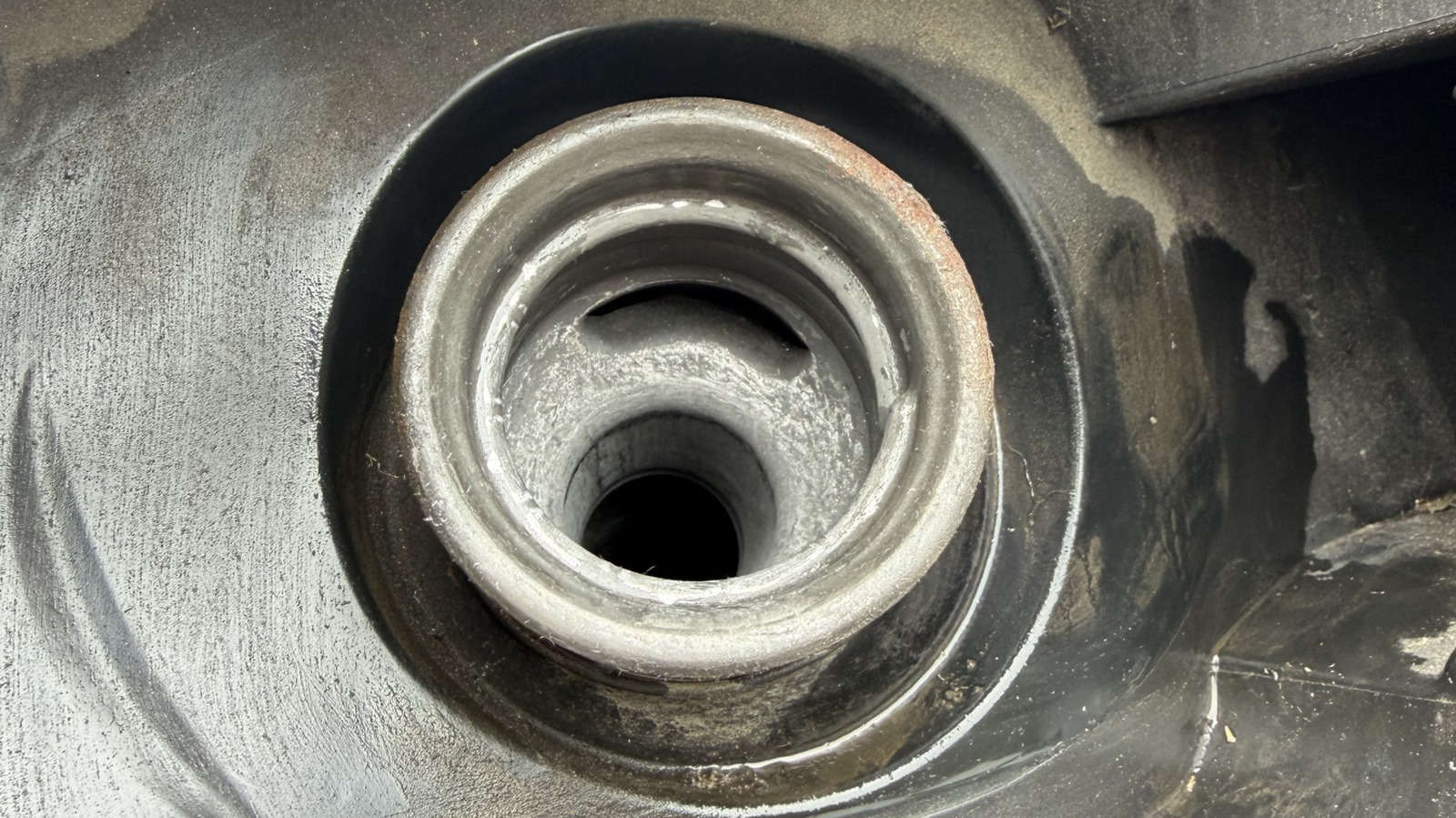
This piece explains those tiny holes you see around your car’s fuel filler opening, why they exist, how they fit into the tank’s ventilation and safety systems, and what you should and should not do about them.
Those little perforations around the filler neck are not a styling trick. They play a quiet but important role in managing vapors, pressure, and any stray liquid that ends up near the filler. Modern cars are built with sealed fuel systems and emission controls, so every opening around the tank must be intentional and functional. Ignoring them or poking at them can cause trouble that is easy to avoid.
One big job for those holes is pressure equalization. When you pump fuel into the tank, air and gasoline vapors have to get out of the way. The filler pipe and its small vents let those vapors escape into the vehicle’s evaporative emissions system instead of forcing pressure into the tank or pushing fuel back out of the nozzle.
The evaporative emissions system, often called EVAP, collects fuel vapors in a charcoal canister and prevents them from going straight into the atmosphere. Some venting pathways around the filler feed that system. The tiny holes allow vapors to be channeled properly so the canister and related valves can do their job instead of letting pressure build up in odd places.
Drainage is another practical reason for the holes. Water, rain, or a little fuel spill can collect in the filler recess if there’s no escape route. The holes let liquids run away from the cap area so they do not pool, corrode the metal, or wick inside body panels where rust can start silently and ruin things later.
Safety features like rollover valves and anti-spill baffles also rely on small vents around the filler neck. Those devices are designed to close if the vehicle tips or rolls, stopping fuel from sloshing out, but they still need tiny vent paths to keep the system behaving normally during routine use. The holes are part of a balanced design that keeps fuel contained without creating dangerous pressure or vacuum situations.
People sometimes assume those perforations are weakness or a place to stick a screwdriver to pry the cap open. Don’t. Introducing debris, dirt, or foreign objects can block the venting path or damage a valve and lead to fuel odors, pump cutoffs while filling, or fault codes from the vehicle’s emissions system. If you ever notice fuel smells or problems filling up, get it inspected rather than trying shortcuts.
Maintenance is simple. Keep the filler area clean and free of leaves, mud, or bird nests that might clog the tiny holes. Replace a cracked or missing fuel cap with the correct OEM or equivalent cap, because a proper seal works with the vents and valves to keep the whole system balanced. If your check engine light comes on after fueling or you experience repeated filling problems, a shop can test the EVAP system and vent paths for blockages or failed valves.
In short, those small holes around your gas tank’s opening are part of a controlled system for venting vapors, draining liquids, and protecting against spills. They are not cosmetic and they are not a place for improvisation. Treat them as functional parts of your car’s emissions and safety design and you’ll avoid a lot of preventable headaches.
