
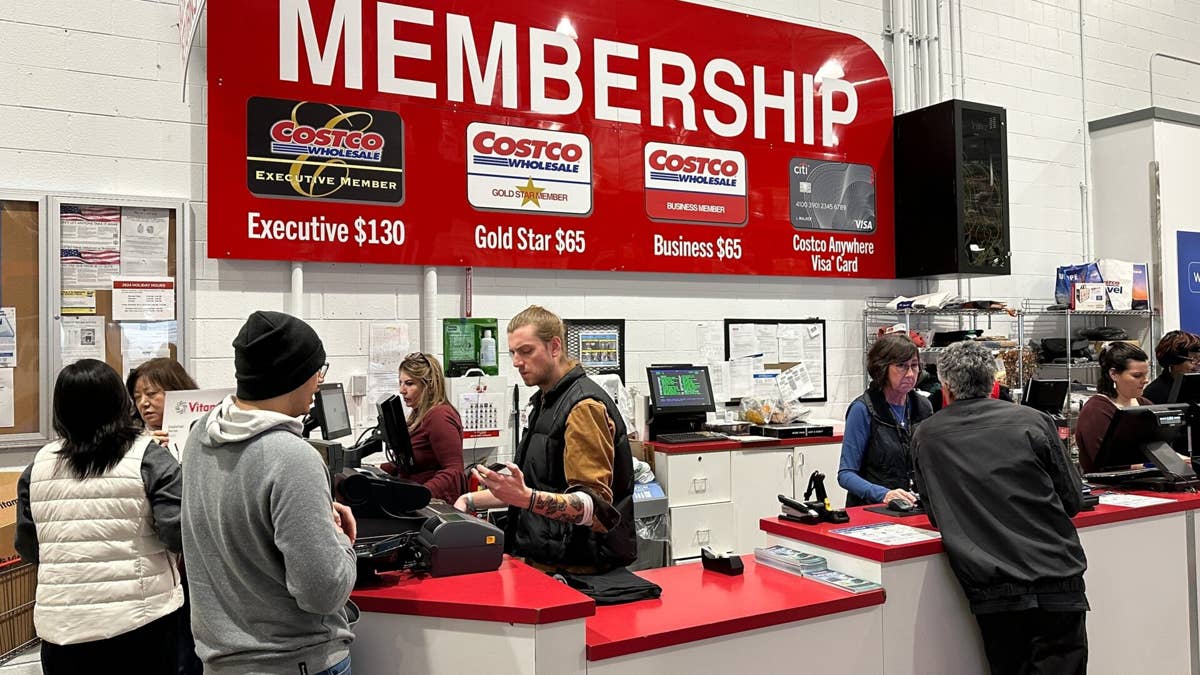
Costco is prospering as shoppers chase value in a tougher economic climate, with strong sales, rising comparable-store growth, and membership dynamics that favor bulk retailers. Inflation and cautious consumer sentiment are reshaping where people spend, and Costco’s mix of low prices, private-label strength, and repeat traffic looks tailor-made for that shift.
Americans are clearly uneasy about the economy, and that anxiety is changing everyday behavior. Rising costs for essentials mean people are choosing where to cut back, and they are cutting discretionary spending first. That trend squeezes restaurants and many specialty retailers while boosting places that promise obvious savings.
Inflation has pushed up prices across gas, groceries, shelter, and apparel, and the result is shoppers who are more deliberate with each purchase. When wallets tighten, bulk buying and private-label options suddenly look a lot more appealing. That is the environment where a warehouse club with a loyal base naturally wins.
Costco reported another month of impressive net sales and has shown solid comparable sales gains in recent quarters. Those figures reflect more than just one-off wins; they suggest repeat behavior as members return for essentials and value buys. Membership economics keep people coming back to recoup the annual fee, and that repeat habit matters when budgets are under strain.
Executives at the company have been blunt about what they see: shoppers are focusing on value and quality above novelty. “Members are very focused on quality and value,” CFO Gary Millerchip said during the company’s second-quarter 2026 earnings call. That attention to basics feeds Costco’s core proposition and reinforces its shopping model.
Private-label products are playing a starring role in this picture, especially the Kirkland Signature line. “Kirkland Signature remains a top focus to deliver great value for our members, with KS items typically offering 15% to 20% value compared to the national brand alternative, with equal or better quality,” Millerchip said during the call. Those kinds of claims translate into real savings for families trying to stretch their dollars.
Analysts and retail observers point out that the combination of membership inertia and clear savings on key items creates a durable advantage. Customers who have already paid the fee want to extract value, so they tend to concentrate purchases at the warehouse club instead of experimenting with pricier alternatives. That pattern raises traffic and ticket sizes at checkout.
Costco’s treasure-hunt merchandising and occasional loss-leader offerings also help keep visits frequent and unpredictable in a way that encourages larger baskets. Even when overall consumer spending cools, the promise of perceived bargains draws traffic away from stores lacking a compelling value story. For many shoppers, a single Costco run replaces multiple trips to other grocers and discount stores.
Retailers that rely on impulse buys or premium pricing feel the pinch sooner, while bulk-focused retailers pick up market share. That’s not just a seasonal effect; it is structural when inflation persists and wage growth lags price increases. Costco’s model is aligned with how households adjust priorities: more staples, fewer splurges.
There are risks, of course, including any sudden shift in input costs or a durable decline in consumer confidence that tightens discretionary income further. But for now, Costco’s mix of memberships, private label strength, and low-price perception keeps it ahead of many competitors. The company appears well positioned to capture a larger share of household spending when families tighten their belts.
As shoppers continue to hunt for value, Costco looks less like a retail outlier and more like the go-to option for budget-conscious consumers. Its strategy—simple stores, bulk offerings, and a reliable private label—matches the realities of an economy where every dollar counts and smart buying matters more than ever.
