
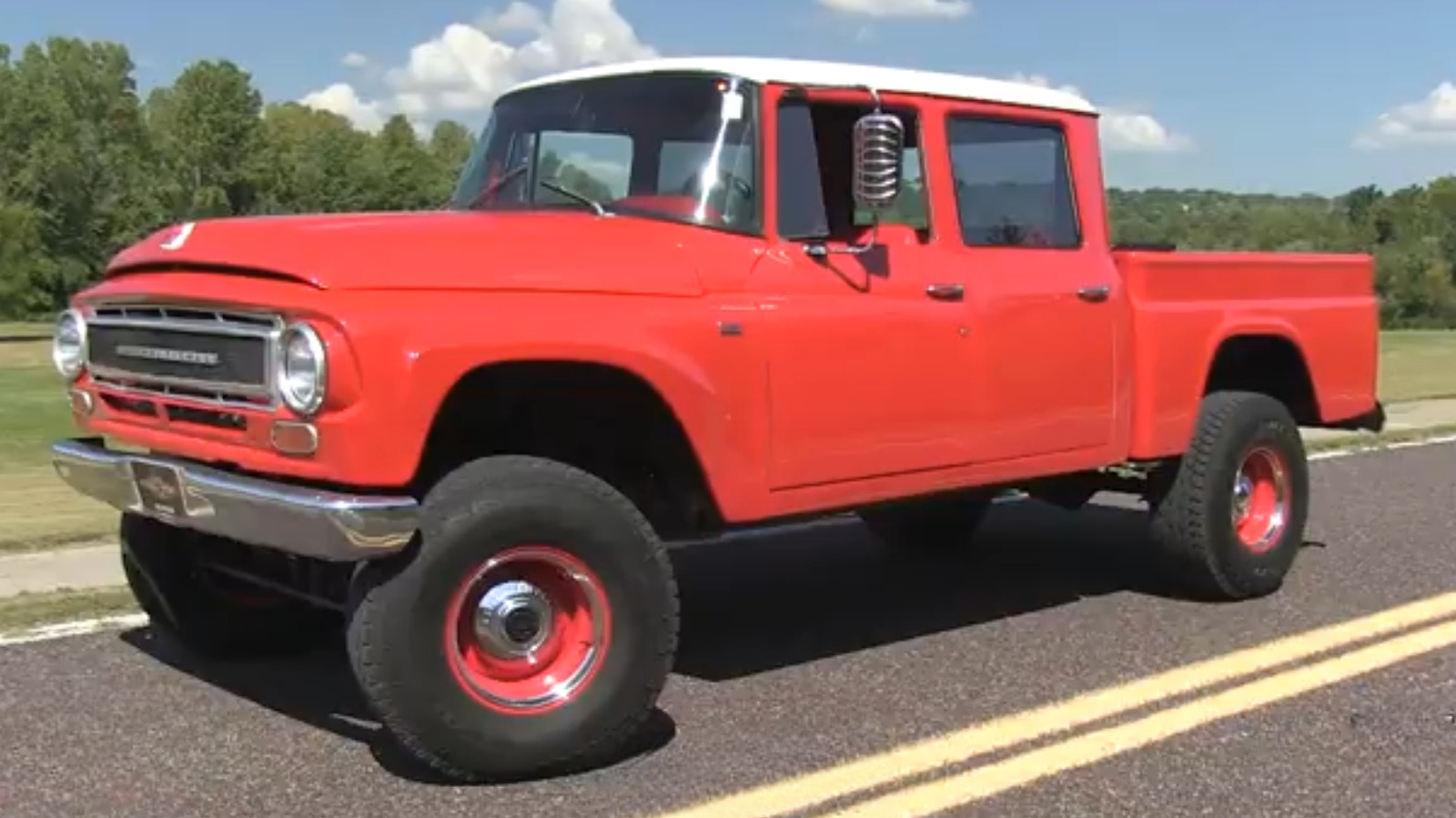
The story of crew cab trucks began with an experiment that didn’t catch fire right away, and yet it reshaped what buyers expect from pickup trucks today. This piece traces that awkward debut, why early adopters shrugged, and how the crew cab went from niche oddity to mainstream must-have without losing sight of the workhorse roots that made pickups essential in the first place.
Back when pickups meant single cabs and a bed for tools, the idea of adding a full second row felt excessive to many buyers. The first crew cab tried to bridge passenger comfort and utility, but designers were still learning how to balance cabin space with bed length and payload. That learning curve made the earliest models clunky and pricey compared with straightforward work trucks built purely for hauling. For fleet managers and blue-collar owners, the trade-offs often didn’t justify the added cost and complexity.
One big issue was packaging: fitting four full-size doors and a usable backseat into a chassis built around a cargo bed forced compromises. Early crew cabs often shrank bed length or added weight, which reduced towing capacity and limited practical usefulness. That made them less appealing for buyers who needed every inch of bed space and every pound of payload. The market at that time simply preferred simpler, lighter trucks that did one job very well.
Cost was another hurdle. Adding a larger cabin, more glass, extra hardware, and creature comforts pushed prices into a higher bracket that many truck buyers weren’t willing to accept. Pickups were tools first, lifestyle items second, and buyers were used to prioritizing utility over comfort. That perception changed slowly, and manufacturers had to offer clear value to persuade customers that a crew cab was worth the money rather than just a luxury add-on.
Automakers responded by iterating quickly: longer wheelbases, clever bed designs, improved suspensions, and better engine options helped close the performance gap with single-cab trucks. Interior design improved too, with fold-flat rear seats for cargo flexibility and durable materials that stood up to real-world use. Those changes made crew cabs feel more like genuine work trucks with passenger capability rather than compromised sedans on a truck frame. Gradually, buyers began to see the practical upside of carrying a crew or family without sacrificing the ability to work.
Another driver of acceptance was shifting buyer demographics. As suburban and mixed-use lifestyles grew, more people wanted a truck that served dual roles: hauling on the weekend and ferrying kids during the week. Commercial buyers also saw benefits in crew cabs for small crews and mobile work teams, which reduced the need for a separate van or car. The result was a steady expansion of the crew cab segment from a small option to a significant share of overall truck sales.
Manufacturers then leaned into the trend with distinct trim levels and off-road or luxury packages that made crew cabs desirable for reasons beyond utility. That broadened appeal did not erase the trucks’ practical roots; instead, it created a range of choices so buyers could prioritize capability, comfort, or a balance of both. Today’s market offers crew cabs that tow, carry, sleep, and stream music with little sacrifice to their original mission—tough, dependable work.
Lessons from that early misstep still matter. When new truck configurations emerge, buyers and builders should ask whether changes truly enhance usefulness or just add cost and complexity. Smart engineering that protects payload, maintains towing performance, and preserves bed utility wins trust. The crew cab’s evolution shows that practical innovation coupled with real-world feedback produces the best results for people who rely on trucks every day.
Looking ahead, crew cabs will likely keep evolving around the same priorities: smarter packaging, lighter but stronger materials, and adaptable interiors that shift between people and payload. Electrification and modular designs will pose new challenges and opportunities, but the core question remains the same—does the truck make the owner’s life easier at the jobsite and at home? If history is any guide, the crew cab’s slow start proves that practical value beats hype every time, and the market will reward solutions that respect a pickup’s work-first heritage.
