
Medicaid is bleeding taxpayer dollars and the federal government is finally forcing states to act. This piece walks through the scale of the problem, the revalidation tool meant to stop it, clear state failures, real-world examples of abuse, and why stronger, faster reviews are a must if taxpayers are to get any relief.
The size of the problem is jaw-dropping. Federal officials now estimate roughly $100 billion is improperly billed each year, and high-profile state losses, like Minnesota’s multibillion-dollar gap since 2018, prove weak defenses are costing everyday Americans. When dollars vanish into fraud schemes, it is voters and taxpayers who pay the price.
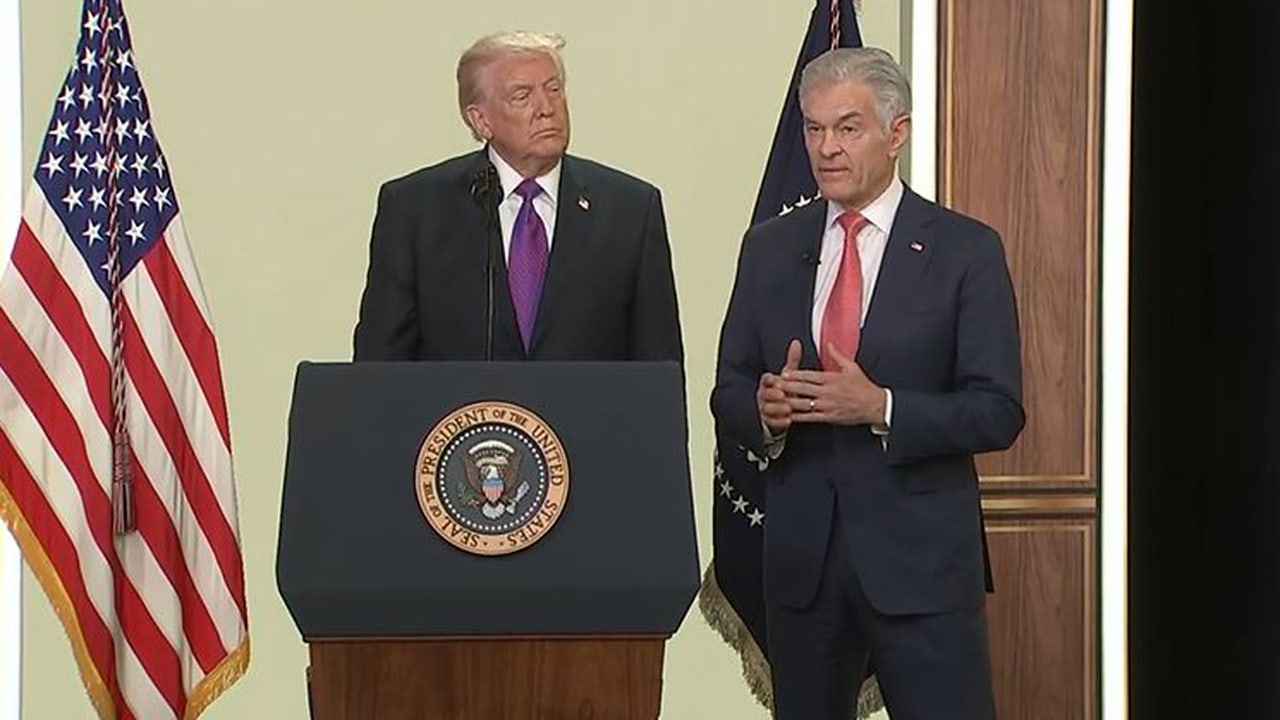
That is why Dr. Mehmet Oz at the Centers for Medicare & Medicaid Services stepped in and told states they must tighten up how they vet Medicaid providers. Revalidation is the mechanism states are required to use at least every five years to confirm that doctors, clinics and vendors are legitimate and in compliance. It is a common-sense guardrail that has been allowed to rust in too many places.
Revalidation is not a paper exercise; it checks licenses, compares names to exclusion lists, warns if a provider has died, and otherwise confirms credentials match claimed services. Done right, it exposes sham operations and stolen identities fast. Done poorly, the system becomes a highway for fraudsters to bill and disappear.
Public records requests by watchdog groups show many states are failing this basic duty, either by not responding with data or by producing incomplete numbers that hide the scope of the problem. Consider the raw figures: Georgia lists 374,774 Medicaid providers and about 21,000 of them have not been revalidated in more than five years. Illinois shows 222,000 providers, with over a quarter overdue for revalidation and at least one provider not checked in over nine years.
When states skip these checks, criminals exploit the gaps. Revalidation can catch providers who were suspended in one state but continue billing in another, and it can flag bogus operators using someone else’s identity. Research in Minneapolis uncovered several providers on a state exclusion list that were not on the federal list, letting them slip through national screens and keep billing Medicaid.
There are stark examples of how the gap plays out: a licensed adult day care lost its license after 35 violations, including staff not engaging with patients, yet similar operators continued billing elsewhere. An Inspector General study found about 12 percent of providers terminated for cause in one state were back billing Medicaid in another state within months. That pattern should alarm any taxpayer who expects basic oversight.
Fraud schemes can be brazen. In California, fraudsters stole the identities of doctors, including physicians who were deceased, and used those identities to bill millions for fake hospice services. Those are not accidents; they are organized scams that exploit patchy verification systems and slow reactions by regulators.
Dr. Oz has already put governors on notice and given states 30 days to explain how they will strengthen reviews. Past federal action shows the payoff: when Medicare revalidation was tightened in the early 2010s, 1.6 million providers were revalidated, more than 500,000 were deactivated, and 34,000 had their status revoked, yielding a $2.4 billion taxpayer saving. Medicaid could see similar wins if states take revalidation seriously.
The five-year revalidation cycle is simply too lax; bad actors can make off with huge sums over a half-decade and then resurface under new names. States should be forced to shorten the review window to a few years, and the federal government should use regulation or legislation to make that stick. If a small reduction in improper payments means billions saved, lawmakers have a duty to act.
State leaders must stop treating revalidation like paperwork they can postpone and start treating it like a frontline defense for taxpayers. The Trump administration’s push is the right move: demand stronger plans, insist on timely follow-through, and make sure every Medicaid provider is actually doing the work they claim. Millions of Americans who fund these programs deserve no less than rigorous oversight.
