
I lay out why the rise of AI-driven surveillance matters, how casual law-bending is woven into American life, and why swapping human judgment for automated ticketing would change our country in ways most folks wouldn’t like.
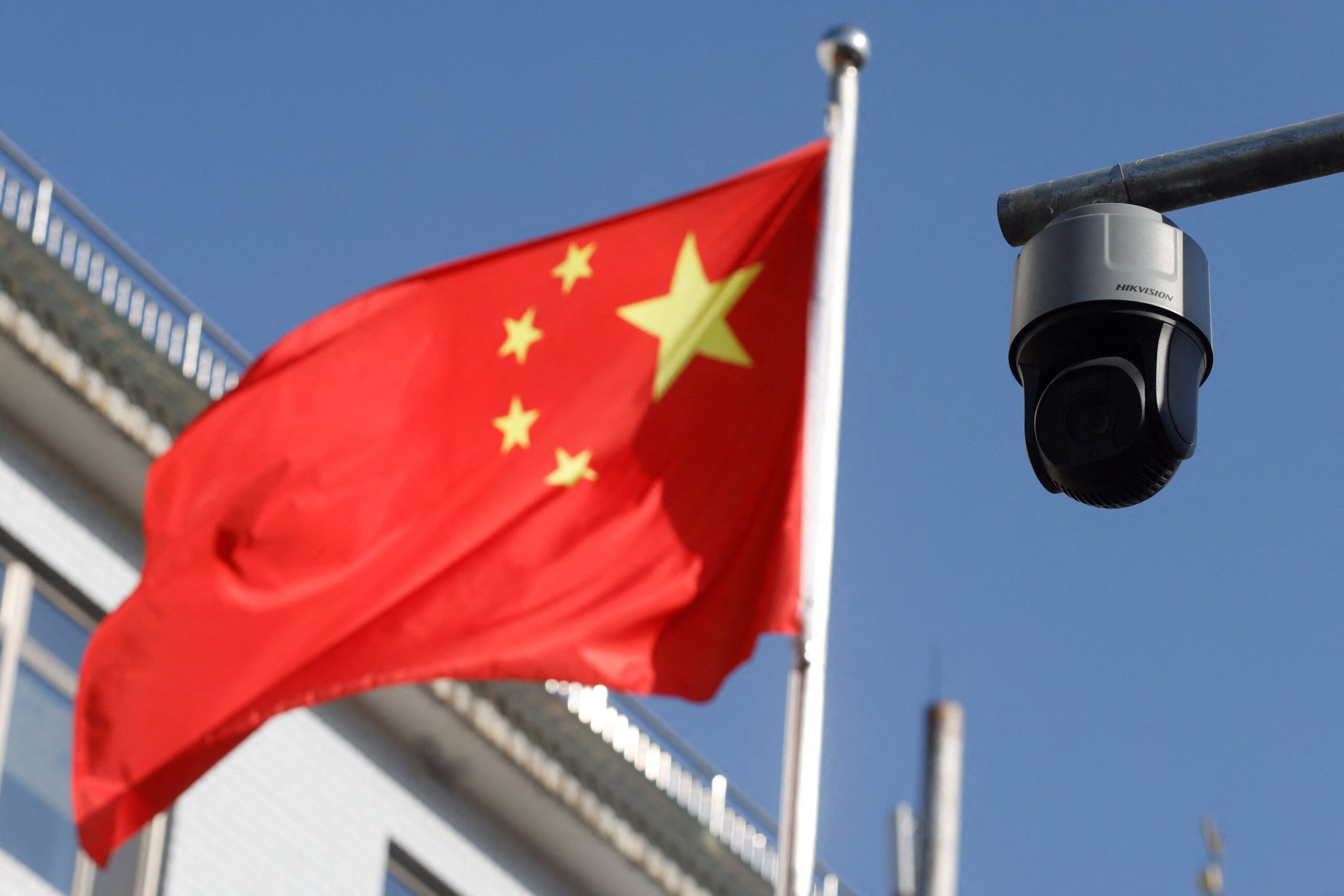
Watching live coverage from Beijing this week felt like a cold wake-up call about how precise surveillance can be. Cameras spot jaywalking, scooters without helmets, even a few minutes of illegal parking, and a fine appears on your phone almost instantly. When Bret Baier’s own driver got pinged for a brief parking lapse, the moment made the whole system feel less hypothetical and more inevitable.
That matters because the tools to do the same thing already exist here. Between traffic cams, license plate readers, and city sensors, a nationwide system could be built with little friction. The real debate is whether Americans will allow our government to use those tools to erase the informal leeway that most of us rely on every day.
Our culture is full of unspoken tolerances – double parking during street cleaning, everyone easing past the speed limit on I-95, and jaywalking that happens more out of habit than defiance. Those little violations barely register because enforcement is often discretionary and human officers understand context. That discretion is part of civic life, and it gives people room to breathe.
TOO LOUD? TICKET’S IN THE MAIL
That slack is why states still carry odd, antiquated laws that nobody bothers to enforce. The statutes sit on the books like museum pieces, reminders that legislators sometimes pass rules long after the culture has moved on. It’s easy to forget how much we rely on judgment calls rather than robotic compliance.
Some examples are almost comical on their face: selling pet fur is illegal in one state, swearing at sporting events is technically a crime in another, and a greased-pig contest could get you in trouble somewhere else. Those laws survive because ordinary enforcement never showed up to enforce them, and most people would rather amend or ignore strange rules than let them micromanage life.
If every law came paired with an AI system trained to spot infractions and issue fines automatically, the math changes fast. How many tickets would show up on your phone this year if every minor offense were policed to the letter? That hypothetical isn’t science fiction when you consider how quickly cameras and algorithms are spreading.
BRETT TOLMAN: MOUNTAIN RUNNER FACING PRISON FOR USING TRAIL BUREAUCRATS SECRETLY DEEMED OFF-LIMITS
I remember being in Tokyo before automatic ticketing was even a thing and feeling odd watching line after line of people wait to cross a perfectly empty street. For Americans used to a dose of common sense and a wink from authorities, that level of rule-following feels foreign. In places where the rule is the rule, compliance is a civic value; in the U.S., flexibility has its own value.
The concern is not just about copying foreign habits; it’s about trading liberty for the illusion of order. There’s a risk we could nudge American life toward a kind of overcorrected compliance that strips away the small rebellions and compromises that make daily life manageable. That’s a price many conservatives worry the country isn’t ready to pay.
JONATHAN TURLEY: ELITES CALL THE CONSTITUTION ‘BROKEN’ BUT AMERICANS KNOW IT’S OUR GREATEST GIFT
That mix of skepticism toward authority and a willingness to bend nonviolent rules a little is practically American folklore. It operates like an informal check on power: when people collectively ignore an absurd regulation, the regulation loses teeth. That’s messy, but it’s also part of how freedom survives in practical terms.
We saw that during the pandemic when millions pushed back against lockdown excesses and questionable mandates. The point wasn’t to be reckless; it was to resist a one-size-fits-all model of control imposed from above. Those instincts matter when a new wave of surveillance technology promises flawless enforcement.
WE COULD WIN THE AI WAR AND STILL LOSE ALL OF OUR FREEDOMS IF WE AREN’T CAREFUL
The hardware is everywhere: phones, smart TVs, door cameras, municipal sensors. Add AI that never blinks and you have a regime that can surveil and penalize at scale. So far, our institutions haven’t used this power to micromanage daily life, but the capability is there, waiting for policy choices that could shift everything.
At the heart of the issue is whether we preserve human judgment in enforcement or hand that job to algorithms trained on strict definitions of wrongdoing. Black’s Law Dictionary may not define “wiggle room,” but plenty of Americans live by it. If a machine replaces the cop who can issue a friendly warning, casual tolerance becomes a thing of the past.
Do we prefer a system where an officer can look you in the eye and say be careful next time, or one where a camera and code deliver an instant fine? That question matters because the answer decides what daily American freedom will look like in the years ahead. How do we keep the slack without letting an intrusive state tighten the screws?
