
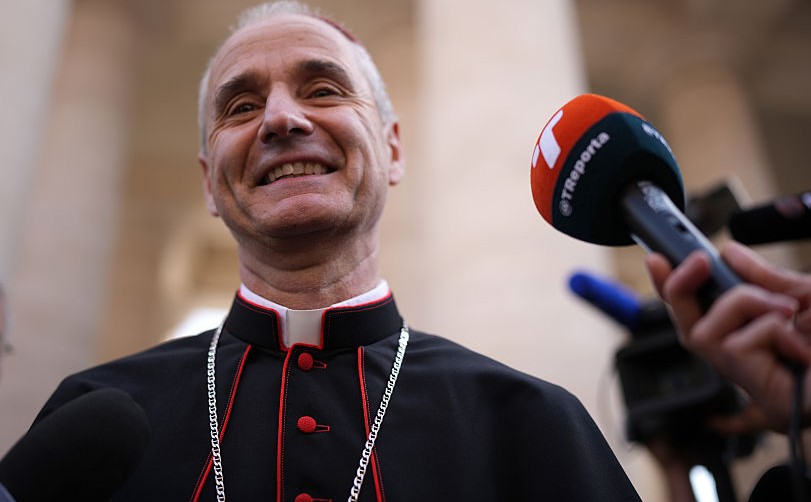
Cardinal Jean-Paul Vesco, the archbishop of Algiers, used the preface to a new volume to praise Pope Francis’ emphasis on treating gay people without the old forms of public censure, saying the pope seeks to end the “judgment” of homosexuals and to redirect Catholic pastoral energy toward accompaniment and human dignity.
Vesco frames the shift as pastoral rather than purely doctrinal, arguing that the Church should focus on closeness and support instead of casting stones. He sees Pope Francis’ approach as an attempt to change the tone of Catholic ministry so people feel welcomed rather than condemned. That emphasis on human encounters matters in parishes around the world where wounded people are looking for mercy more than controversy.
The book in question gathers voices wrestling with how to live out long‑standing teachings while responding to contemporary social realities. Vesco’s preface does not erase theological debate, but it sets a clear pastoral priority: reduce public censure and increase compassionate presence. In practice this means clergy and lay leaders are encouraged to listen and accompany before issuing judgments.
In Algeria, where Vesco serves, the cultural and legal environment around sexual morality differs sharply from Western Europe or the Americas. That context makes a tone of accompaniment both delicate and significant, because pastoral practice must navigate local sensitivities while remaining faithful to universal Church care for human dignity. Vesco’s words aim to model a way of speaking that is pastoral in heat and prudent in judgment.
Reaction within the wider Church is mixed, reflecting longstanding tensions between those who emphasize doctrinal clarity and those who prioritize pastoral outreach. Some Catholics welcome a renewed focus on mercy and encounter as a corrective to an often exclusionary tone. Others worry that changing tone can be read as changing teaching, and they call for careful distinction between pastoral method and doctrinal truth.
Vesco himself does not propose altering core teachings; rather he suggests reshaping how they are presented and lived out. This distinction matters for bishops and priests deciding how to preach, counsel, and form communities. Shifting emphasis toward accompaniment is presented as a way to reduce alienation and bring people closer to the sacraments and to parish life.
The debate around pastoral tone has concrete consequences for clergy training, parish programs, and diocesan policies. Seminaries and formation programs may react by placing greater weight on pastoral skills such as listening and accompaniment, while still teaching moral theology. Parishes that adopt that posture may see different patterns of attendance and engagement as people who once felt judged try returning to church life.
Critics on all sides keep the conversation lively, pressing for precision and authenticity in how ministry is carried out. Supporters of Vesco’s framing argue that a Church perceived as more merciful could strengthen witness and credibility in a skeptical age. Opponents caution that mercy without clarity risks confusion, so dioceses must carefully balance compassion with clear teaching.
The discussion coming out of Vesco’s preface is not only a European or Algerian conversation; it is a global one that touches bishops’ conferences, parish leaders, and families. At stake is how the Church can remain true to its convictions while responding to people who want dignity and care, and how leaders can avoid both harsh judgment and wishful ambiguity. The outcome will shape pastoral practice for years to come and influence how millions perceive the Church’s capacity for mercy.
