
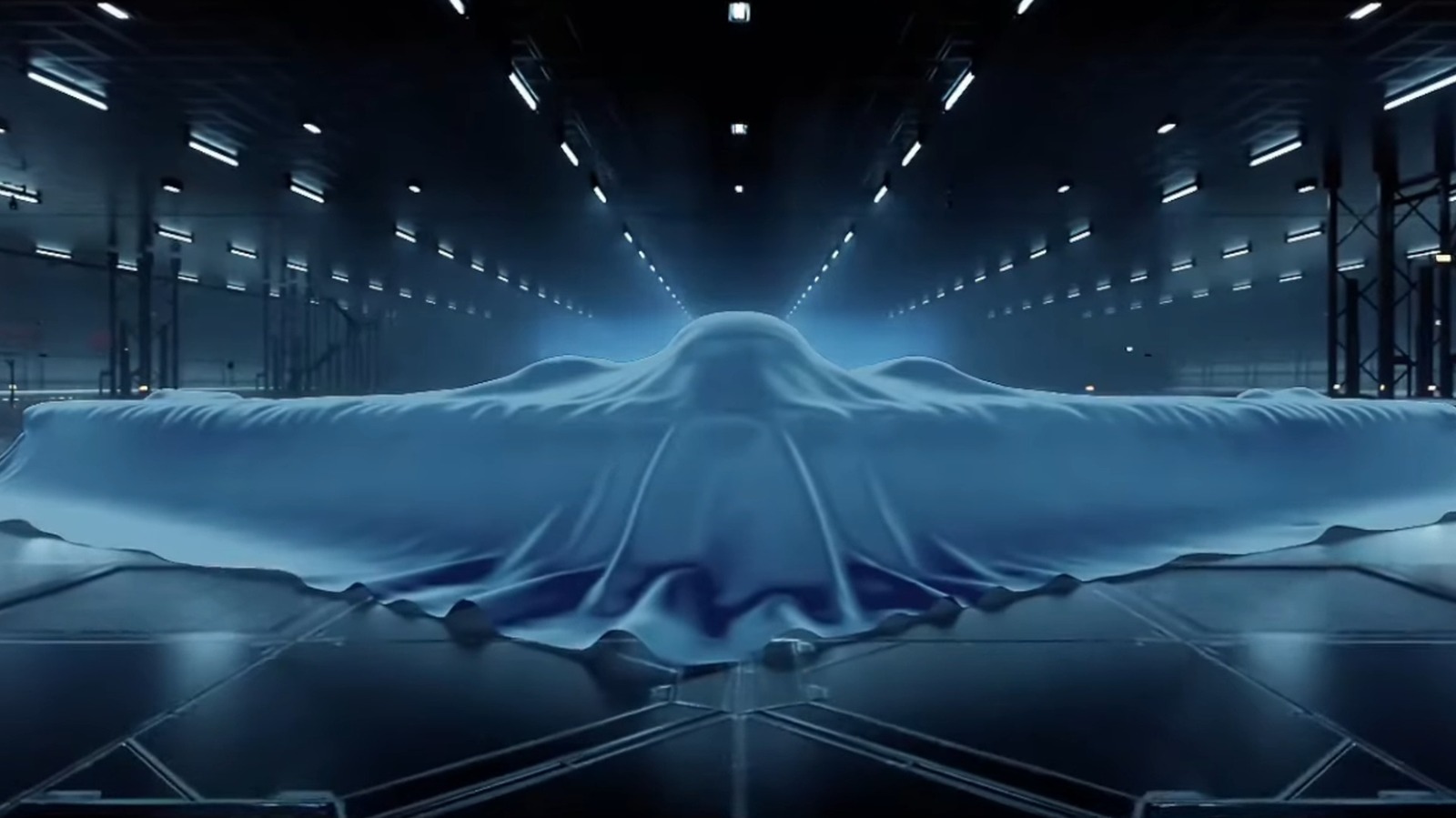
The H-20 stealth bomber is China’s long-promised strategic strike aircraft that was first unveiled in 2016 but, as of 2026, still hasn’t shown itself in public. This article walks through what officials, analysts, and commercial imagery have suggested about its shape, role, likely capabilities, and the reasons it might still be hiding. Expect a clear, direct look at the known facts, plausible technical traits, and the strategic questions the H-20 raises.
China announced a program for a stealth bomber in 2016, and that announcement set off years of speculation rather than solid sightings. There have been hints from think tanks, occasional leaks, and a steady stream of satellite photos that analysts comb for clues. Despite the noise, no confirmed prototype flight has been publicly acknowledged, so much of what we say is based on open-source inference and pattern-matching with past bomber programs.
The H-20 is widely portrayed as a long-range stealth bomber intended to carry both conventional and nuclear weapons, designed to project power across the Indo-Pacific and beyond. If built to reported expectations, it would be a strategic asset meant to penetrate advanced air defenses and strike high-value targets from great distance. That role puts it in the same conceptual class as other modern stealth strategic bombers, but China could adopt different priorities in range, payload, and stealth trade-offs.
Open-source analysts often sketch the H-20 as a flying-wing or low-observable planform, a shape that reduces radar returns and maximizes internal weapons bays. Reports vary on size and capacity, with some estimates suggesting a large payload and intercontinental reach, while others warn the aircraft might be smaller or less capable than Western counterparts. Engine technology is a recurring question, since reliable high-thrust, fuel-efficient engines are crucial for both range and stealth performance and have been a historical chokepoint for many advanced programs.
Secrecy and delay can come from many places: developmental teething problems, the iterative nature of stealth shaping, integration of new avionics and sensors, or struggles with engines and materials. China also faces international export controls and limited access to certain technologies, which could slow progress or force domestic substitutes that take extra time to mature. Beyond technical challenges, leaders may choose to keep the program under wraps until they can present a demonstrator that meets political and strategic expectations.
The appearance of an operational H-20 would change regional calculations, altering how friends and rivals think about strike depth, basing patterns, and air defense priorities. For neighboring countries and U.S. forces in the region, a long-range stealth bomber complicates targeting and increases the value of early warning, dispersal, and hardening. But until confirmed flight tests and deployment are visible, much of that strategic impact remains speculative and contingent on the bomber’s actual capabilities and numbers.
So what should observers watch for next? Look for signs of a prototype at known test airfields, runway traffic that indicates large-vehicle testing, and satellite evidence of new hangars or assembly lines tied to strategic aviation projects. Engine test cells and changes at supply-chain facilities can be telling, and public parades or state media releases sometimes give staged glimpses of progress. Independent analysts often use a mosaic of small indicators to build a clearer picture when direct confirmation is absent.
There’s a real gap between political announcements and operational reality in complex weapons programs, and the H-20 sits inside that gap. The aircraft could emerge soon if technical hurdles are solved, or it might remain a long-term project shaped by industrial constraints and shifting priorities. Either way, the H-20 is a reminder that modern airpower programs are as much about industrial capacity and technology supply chains as they are about clever design on a drawing board.
