
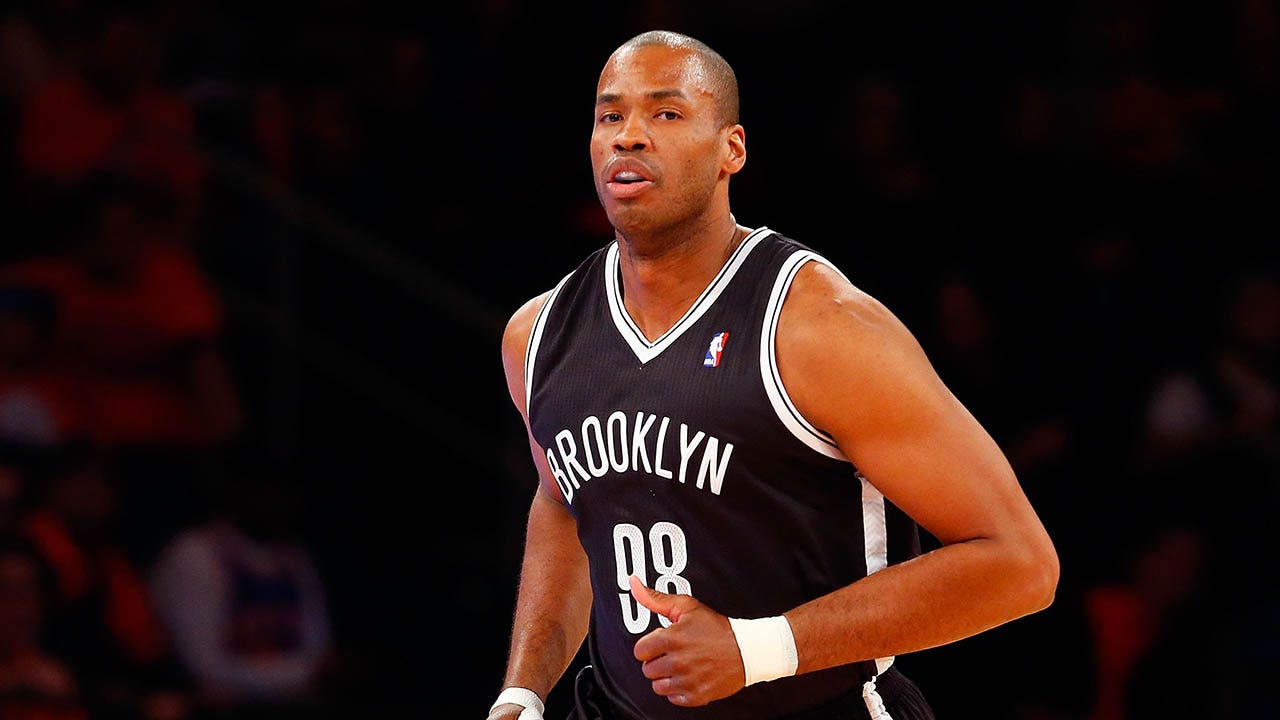
NBA veteran Jason Collins, who made history as the first active openly gay player in major American sports, has died at age 47 from brain cancer. His passing leaves a clear mark on the sport and on the conversation about visibility, courage, and the human cost behind headlines.
Collins was more than a headline; he was a steady presence in locker rooms and on rosters for years, known for a quiet professionalism that earned him respect from teammates and opponents alike. He wasn’t the flashiest name in box scores, but his career was a model of persistence, adaptability, and the kind of steady work that keeps teams functioning through long seasons. Even beyond stats, his mere presence at the highest levels of the game changed expectations about who belongs on that floor.
When he stepped forward and acknowledged his truth, it felt like a jolt through a culture that often hides from hard conversations, and the reverberations were immediate and global. That moment did not make him a celebrity in the usual sense; it made him a symbol for a broader movement toward acceptance in arenas that had long been resistant. The choice he made carried personal risk, but it also offered a rare public example of living openly without apology.
News of his death from brain cancer is blunt and painful, because the diagnosis cuts through all the narratives we build about athletes as invincible figures, reminding us that vulnerability is universal. Details about his private battle remain personal to his family and close friends, and while institutions and fans issue tributes, the core truth is intimate: a human being faced a devastating illness and, ultimately, lost. That reality should temper the spectacle of public mourning with a respect for the private strain those final chapters carry.
Across the league and among fans, responses have been sincere and varied, ranging from quiet acknowledgement to heartfelt tributes that attempt to capture a complicated legacy in a few short words. Those messages matter because they show how much Jason Collins was woven into the fabric of the NBA community, but they also underscore how one life can push a culture forward in ways statistics never could. The conversations sparked by his life and death will outlast the social media cycles that follow breaking news.
His impact extends beyond sports into the broader argument about visibility and representation, the belief that seeing someone like yourself in a public role shifts what future options look like. For many young people, the idea that an openly gay athlete could finish a season and come back the next year without the world collapsing was quietly transformative. The progress that followed his announcement was imperfect and uneven, but it was real enough to change expectations and open doors that were once closed.
People will remember Collins for different reasons: some for the barrier he breached, others for the teammate he was, still others for the person who navigated fame with restraint. All of those views are valid slices of a life that didn’t fit neatly into one category, and that messiness is part of what makes his story enduring. Death simplifies some narratives and complicates others, but memory is rarely tidy, and this life will be remembered in many overlapping ways.
As the sports world processes this loss, there’s a broader takeaway that nudges beyond any single obituary: progress often arrives through individuals willing to live honestly in public, and those individuals sometimes pay steep personal costs. Honoring that courage means more than applause; it means continuing to push for environments where openness is met with support rather than suspicion. Jason Collins’ journey shifted a culture and will remain a reference point for anyone arguing that representation changes outcomes in very real terms.
