
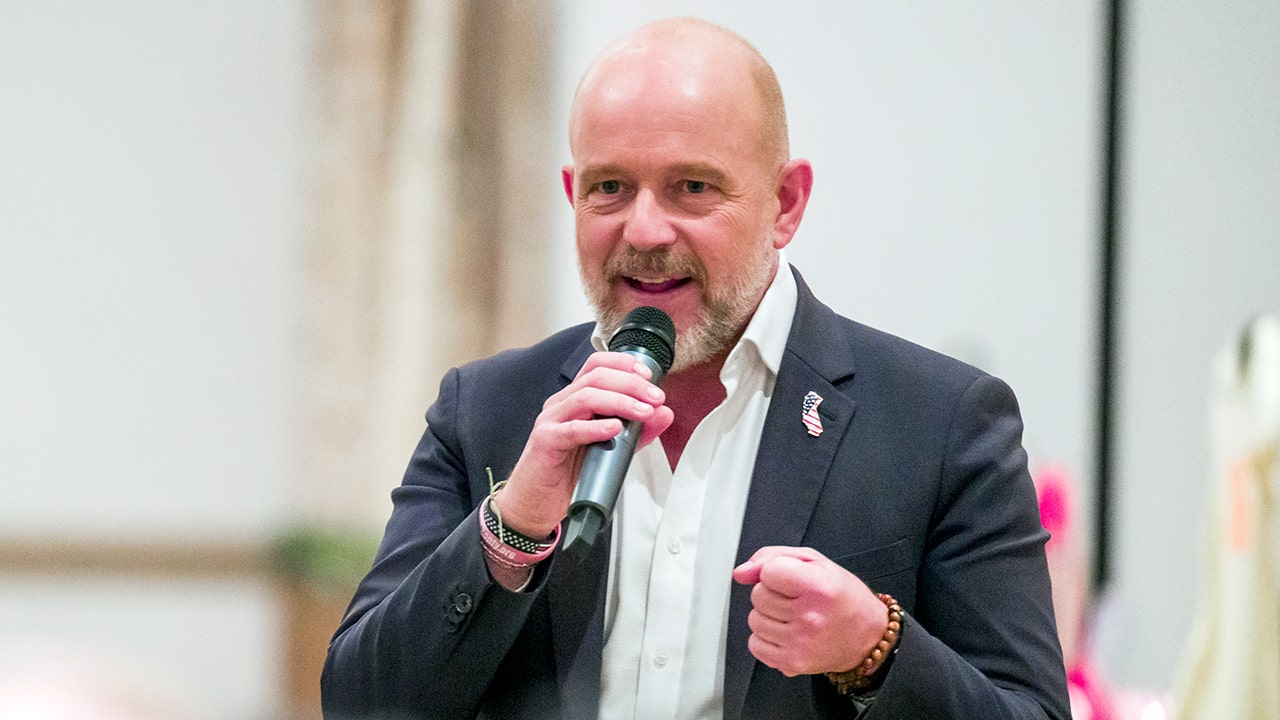
Steve Hilton has burst into California politics as a voice promising a sharp break from the status quo, arguing that the state’s spiraling costs and public-safety failures come from long Democratic dominance. This piece looks at the forces shaping the governor’s race, the primary mechanics that could hand a Republican a shot, and the key contenders who have scrambled the field. It also flags the voter frustration driving interest in an outsider message and the practical hurdles a Republican would still face here.
Back in 2016, Donald Trump posed a blunt question to Black voters that still rings: “What do you have to lose?” Hilton is asking a similar question to Californians fed up with housing costs, homelessness and a shrinking middle class. He frames his candidacy as a direct challenge to leaders who have presided over policies that left families squeezed and small businesses packing up and leaving.
California’s affordability crisis is real and visible in daily life, from sky-high rents to neighborhoods crowded with tents. The state also struggles with immigration enforcement and a level of homelessness and poverty that contradicts its image of prosperity. Hilton points to those failures and promises a pro-growth, common-sense agenda that rejects the regulation-and-tax orthodoxy that many blame for the exodus of residents and companies.
Polling shows a hunger for something different, with half of voters saying they want a candidate who promised “change.” Hilton’s resume—media, policy advising in the U.K., and a knack for outsider messaging—fits that appetite. He pitches a revolution in tone and policy, aiming to make California more livable and more welcoming to families and employers again.
Even some Democrats signal impatience with their party’s record. San Jose mayor Matt Mahan put it plainly: “We don’t need MAGA, but we don’t need more of the same,” as he separates himself from the status quo on issues like homelessness and public safety. That split in the center-left has opened a lane that a forceful Republican with crossover appeal could exploit in an open primary system that sends the top two finishers to November.
The open primary is the strategic backdrop. When a crowded field dilutes Democratic support, a disciplined Republican can advance, and for a while Hilton led a splintered pack while another GOP candidate, Chad Bianco, hovered behind him. The most dramatic twist came when Democratic chaos and scandal reshaped the race and candidates dropped or were nudged out, shuffling support in unexpected ways.
One of the most consequential departures was the collapse of Eric Swalwell’s bid amid serious allegations, a turn that obliterated a potential Democratic consolidator and boosted names like Tom Steyer and Xavier Becerra. The shakeup underscored how fragile crowded fields are when vulnerabilities surface, and how quickly fortunes can turn when donors and voters pivot.
Steyer brings massive self-funding and has poured unprecedented sums into the contest, forcing opponents to answer to a flood of ad spending and organization. Becerra picked up parts of the traditional Democratic lane and represents the experienced bureaucratic alternative to Hilton’s outsider pitch. Both present very different threats than a fragmented field of local mayors and state legislators.
Party registration still leans Democratic, about 46 percent, which makes the path narrow but not impossible. Hilton also carries an endorsement from Donald Trump, a mixed blessing in a state where the former president’s approval is under 40 percent. Voter anger, however, is a great leveler: 70 percent call the cost of living “unmanageable,” and sizable shares across party lines, including 39 percent of Democrats, describe the economy as “bad.”
The primary is the immediate test with June 2 looming and mail-in ballots already in play for many voters. If enough dissatisfied residents want new leadership, the electoral math and the unusual dynamics of California’s system could produce an outcome that surprises pundits and reshuffles Sacramento politics. Whether Hilton can turn voter frustration into a winning coalition remains the key question as the race tightens and the ballots start coming in.
