
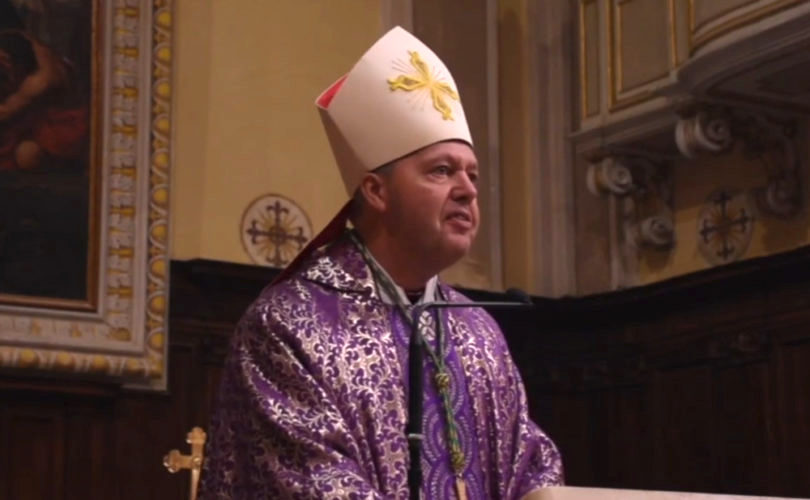
Bishop Mutsaerts has called out a strain of Catholic activism that says it champions inclusion while sidelining centuries of tradition, and his words demand a serious look at how churches balance welcome with truth. This piece examines that tension, what it means for parish life, and why honest charity must include clarity about doctrine. It also considers how cultural pressure shapes church responses and why protecting religious conviction matters for long-term unity. The aim here is to cut through posture and sketch a practical, firm approach to pastoral care that respects both people and belief.
‘Inclusion turns out not to be an open door, but a carefully guarded gateway,’ says Bishop Mutsaerts. That blunt observation nails a modern contradiction: some groups promise openness while quietly setting limits that silence traditional voices. When the church becomes a stage for cultural signaling, genuine outreach gets replaced by tests of conformity. People who hold orthodox views find themselves squeezed out, even as institutions boast of being welcoming.
This isn’t a debate about cruelty; it’s a debate about coherence. A church that pretends all teachings are optional undercuts its own moral authority and leaves parishioners confused. Conservative Catholics and other faithful need pastoral care that doesn’t compromise doctrine to score cultural points. Treating belief as negotiable to appease outside pressure only produces a weak shelter for the faithful.
At the same time, genuine compassion matters. Pastoral leaders must welcome people with dignity and listen without judgment, especially those who feel alienated. But listening doesn’t mean abandoning truth, and hospitality shouldn’t be a cover for reshaping core teaching. True charity is honest: it receives people where they are while guiding them toward the faith’s full vision.
There is also a political edge. Religious institutions face intense pressure to conform to secular norms that reject religious exemptions. Defenders of tradition must be clear-eyed about that pressure and ready to defend the freedom to teach convictions that differ from mainstream culture. That defense doesn’t have to be combative; it can be principled and persuasive, rooted in reason, history, and a sincere love for the community.
Practices matter as much as words. Parishes that handle pastoral care well combine firm teaching with hands-on support—counseling, community programs, and spaces for honest conversation. Leaders who hide behind vague language or public relations win short-term headlines but lose long-term trust. A steady, consistent approach that models both truth and mercy rebuilds trust and keeps gatherings genuine rather than performative.
Critics will say tradition risks exclusion, but the opposite can be true: without boundaries, identity erodes and sincere believers are left adrift. Protecting the core of the faith isn’t mean-spirited; it’s about preserving a spiritual home where people can form their consciences. That formation requires clear witness from pastors who care enough to speak plainly and shepherd responsibly.
If the church is to be truly inclusive, it must be inclusive in the best sense: offering a place where people are received and invited to grow, not where doctrine is bent to fit trends. That balance is hard but necessary, and it starts with honest leadership that refuses both the guise of intolerant gatekeeping and the temptation of hollow affirmation. The stakes are spiritual and cultural, and navigating them will take courage, patience, and a fidelity that honors both people and truth.
