
Our nation’s frontline protectors deserve steady pay and unwavering support, and when funding freezes happen the consequences are immediate and dangerous. This piece looks at how a funding standoff left Homeland Security teams exposed and why Congress needs to fix the process now.
When lawmakers let appropriations lapse, the real-world fallout lands squarely on men and women at the border and on our streets. A shutdown does not pause threats or criminals, but payroll uncertainties sap morale and jeopardize readiness. That reality should be unacceptable to anyone who believes protecting Americans comes first.
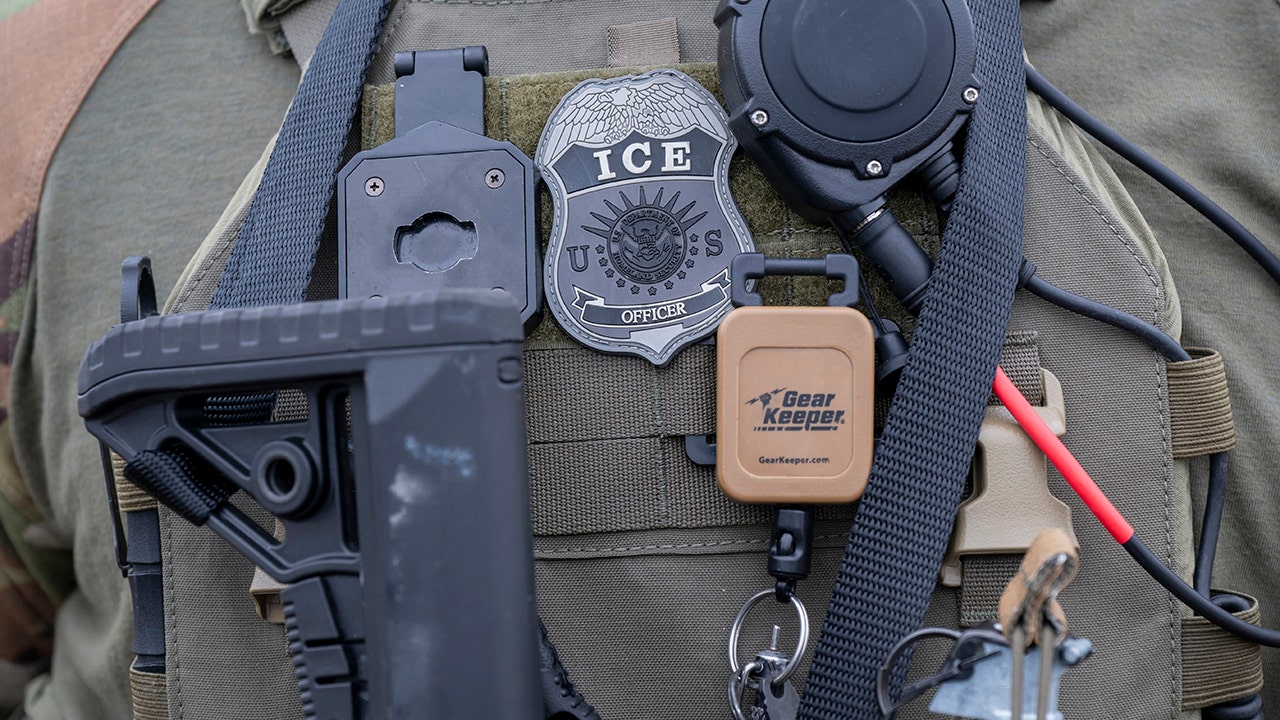
The lapse hit U.S. Customs and Border Protection and ICE hard, leaving officers to wonder if they would be paid while still expected to perform critical missions. Those workers stepped up anyway, but they did so under the strain of an unclear safety net and growing risk. A country at war cannot afford to treat its frontline homeland security employees like an afterthought.
President Donald Trump stepped in with extraordinary measures to keep pay flowing and to prevent a deeper crisis, and that action mattered. Without that intervention the situation would have deteriorated further, with longer-term damage to readiness and public safety. Credit where it’s due: decisive executive action stopped the worst from happening.
BORDER CZAR HOMAN VOWS TO ‘FLOOD’ NEW YORK WIHT ICE AGENTS DESPITE HOCHUL’S RESISTANCE
After 76 days, Congress finally moved to end the shutdown, but the legislation that cleared the floor still left key immigration enforcement pieces unfunded because of partisan policy fights. That kind of half-measure is dangerous: you cannot paper over national security gaps with temporary fixes and expect the problem to vanish. Funding fights that hinge on policy riders instead of solutions put lives and public safety at risk.
The appropriations process has been wrecked by these kinds of partisan standoffs, and that’s a failure of governance. Leaders in both chambers are now looking to reconciliation after the Senate passed a budget resolution, hoping to close funding gaps without endless brinksmanship. The clock is ticking, and any tweaks that send the bill back for more votes will only invite fresh delays and new crises.
Lawmakers must stop treating border security and homeland defense as bargaining chips in unrelated policy fights. Every member of Congress should agree that critical agencies deserve full, timely funding so officers can do their jobs without needless distractions. Delay is not just a procedural problem; it’s a public safety problem that costs lives and weakens deterrence.
History should teach us this: leaving DHS without funding for more than two months was unprecedented and dangerous, and it must not be normalized. The lesson is simple and blunt—if we value security, we cannot tolerate recurring shutdowns that jeopardize operations and undermine confidence. Fixing the system will take political will and a sense of responsibility to the people who show up for work while the rest of the country argues.
The immediate fix is to move reconciliation forward and fund every part of DHS so officers can rely on steady pay and uninterrupted resources. Lawmakers who refuse to act are gambling with national security and with the livelihoods of those who protect us. It’s time for decisive, responsible budgeting that puts safety and service ahead of partisan gamesmanship.
