
This piece honors mothers and argues that parenting, especially spiritual formation and practical teaching, is a task we cannot outsource; it explores how faith can be woven into daily life, why children and moms need unhurried margin, the importance of teaching life skills, and how intentional choices shape family rhythms and long-term character.
Mother’s Day is a prompt to notice what mothers actually do beyond flowers and brunch. The job is formative and chronic, not a one-off event that can be handed off to institutions or screens. Mothers shape habits, values, and the small moments that stack into a life.
Faith formation is often thought of as a Sunday task done by others, but mothers remain primary influencers in a child’s spiritual life. Simple acts at home teach theology without a formal lesson plan: lighting a candle at dinner can turn into a conversation about meaning, and chores can become metaphors for character. Those ordinary rhythms make belief practical and familiar instead of boxed into a Sunday slot.
Parenting culture pushes the idea that influence can be outsourced to programs, coaches, or apps, and that creates a gap between what kids need and where they spend their time. When parents step back, schedules swell with activities that promise growth but often steal margin. The result is overstimulated children who have fewer chances to figure things out on their own.
Children benefit from open time, space to be bored, and a kitchen table that invites conversation. Unstructured play is not wasted time; it’s where curiosity, resilience, and creative problem solving get born. Letting kids be bored is a deliberate act of parenting that resists the pressure to fill every moment with achievement.
That same margin is vital for mothers. Constant doing and curated perfection wear people down, turning motherhood into a hustle that rewards appearances over substance. Many moms report chronic fatigue and persistent worry, which speaks to how unsustainable trying to be everywhere and flawless really is.
Intentional boundary setting is a skill worth cultivating in family life. Sometimes saying yes to one thing means saying no to another, and that trade-off deserves a conversation rather than a default agreement. The calendar talk my mother-in-law had with my husband as a boy — “We can do this if you’d like, but if you are saying yes to this, you are saying no to fishing, dirt biking, or camping on those weekends.” — is a tidy example of teaching priorities and consequences at an early age.
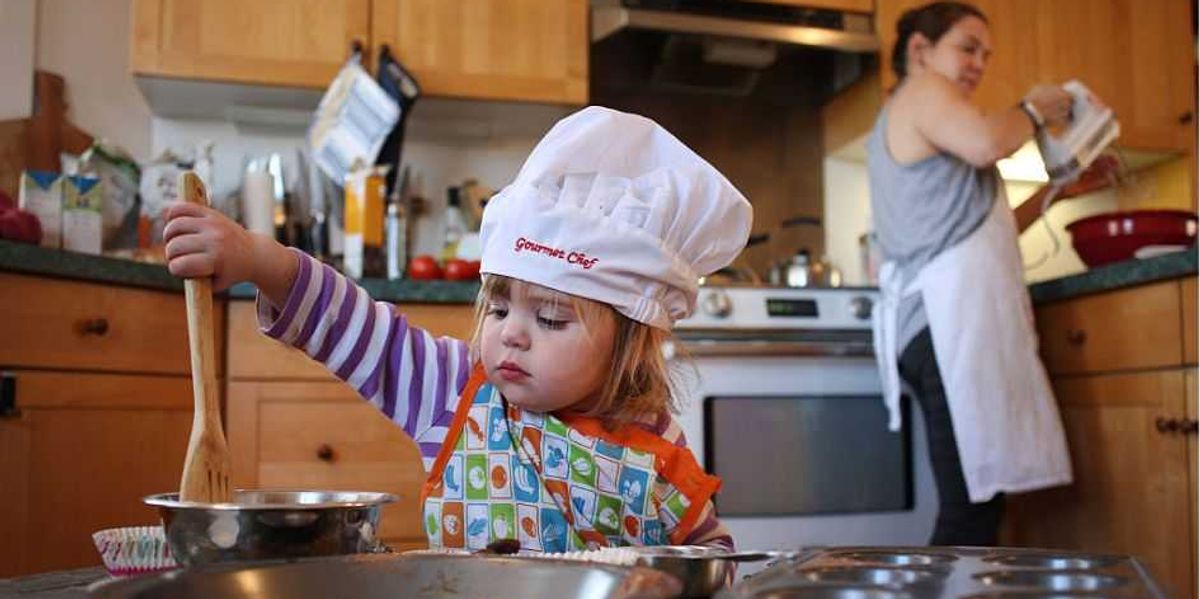
Practical skills matter just as much as spiritual instruction because they make independence possible. Too many young adults reach college without basic cooking, laundry, or household routines, which makes the leap to independent life harder than it needs to be. Teaching kids how to cook, clean, fix things, and manage time helps them become competent roommates, partners, and parents down the road.
It’s okay if a mother didn’t grow up learning some of these things; we live in an age of tutorials and mentors, and learning alongside your kids models humility and curiosity. Asking for help, trading skills in a community, or watching a video together is parenting in the 21st century, not an admission of failure. Small experiments at home add up: a recipe tried twice, a garden planted, a sewing task learned slowly.
The spiritual and practical strands of parenting are not separate projects but woven together in daily life. Conversations while cooking, prayers before bed, and chores done together all communicate values and expectations. Those ordinary interactions teach kids who they are meant to be more than any curated event or one-off program could.
Choosing less activity and more presence looks different for every family, but the principle is the same: protect the spaces where formation happens. Whether that means canceling a class, shortening a season, or simply sitting down for dinner, the point is to prioritize what lasts. What fills our children’s time will help decide who they become.
Motherhood is demanding and imperfect, but it is also a source of deep joy and lasting influence. The work is not about polished moments or public approval. It’s about steady presence, messy teaching, and the faithful crafting of character — the kind of work that shapes families and communities for generations.
