
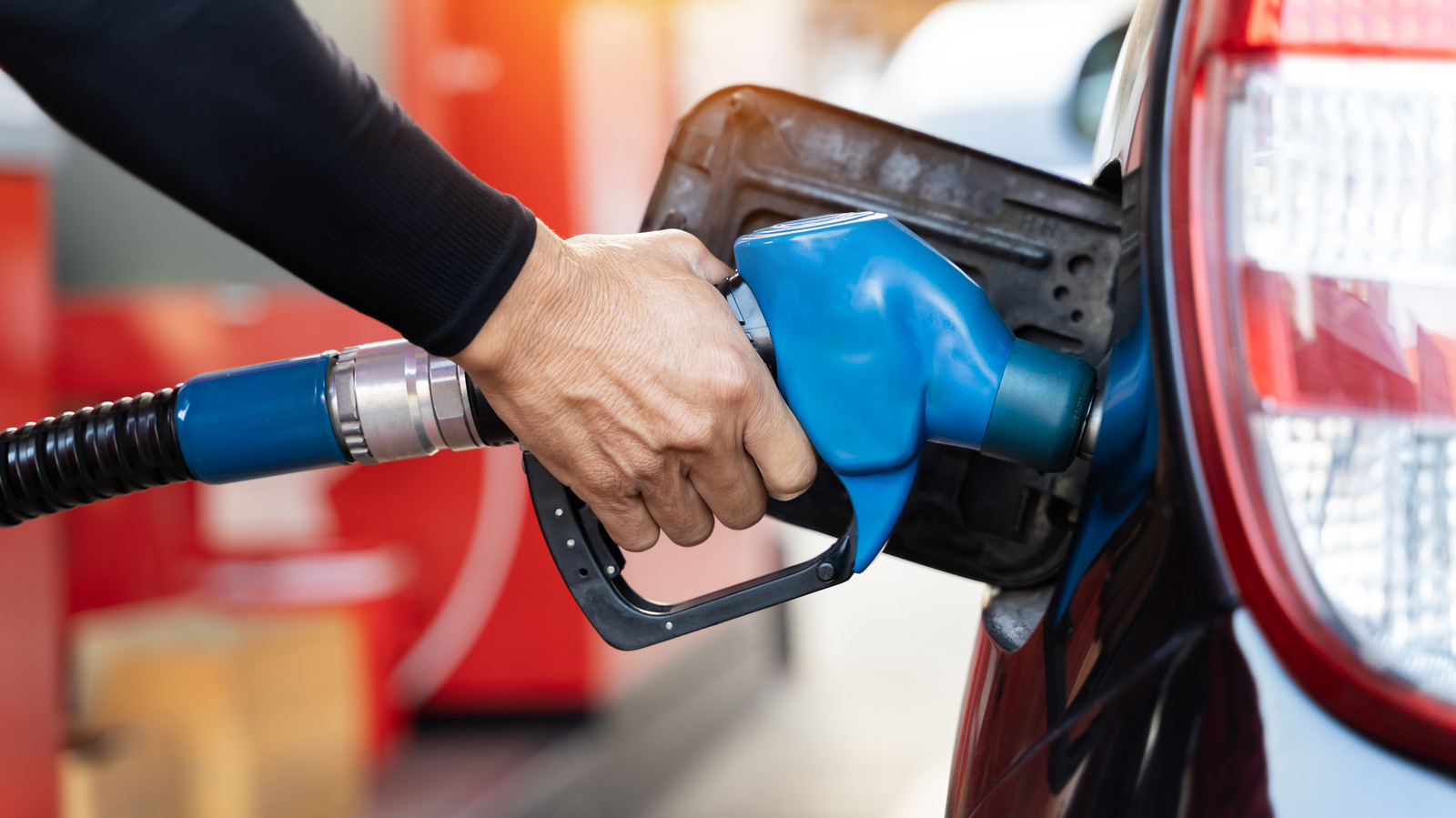
The EPA has rolled out a pump-side option aimed at easing the sting of high gasoline prices by expanding what drivers can buy at the station, but that choice is not a one-size-fits-all fix; this article walks through who benefits, who should be cautious, and how to decide at the nozzle.
The new option from the EPA is meant to create more low-cost choices at filling stations and to shift some demand toward fuel blends that can be cheaper per gallon. For many drivers the appeal is simple: pay less up front and keep the car moving. That immediate savings can look attractive when budgets are tight and prices are volatile.
Not every vehicle or engine is suited for every blend on the pump, and that is the main reason to be careful before switching. Older cars, classic models, motorcycles, lawn equipment, marine engines, and some small engines often have seals and materials that react poorly to higher ethanol content. Using the wrong blend can mean rough idling, increased maintenance, or damage that shows up long after the initial savings.
Beyond mechanical compatibility, fuel economy can change with different blends, so the cents you save per gallon may be offset by more frequent fill-ups. Ethanol contains less energy per volume than straight gasoline, which can reduce miles per gallon. If your daily commute relies on squeezing every mile from a tank, the real-world tradeoff matters more than the sticker price at the pump.
Manufacturers and owner manuals are practical, plain-language guides that give the clearest answer about whether a vehicle can tolerate certain fuels. Many newer cars are designed to run safely on a range of blends, while others are not. If a manual is hard to find, dealerships and certified mechanics can confirm compatibility without guesswork.
There are additional considerations beyond engines and efficiency, like warranty coverage and long-term resale value. Some warranties can be affected if a maker finds fuel-related damage that contradicts recommended fuel types. Even if immediate harm is unlikely, buyers should weigh potential complications that could crop up at service time or when selling the car down the road.
Stations carrying alternative blends may be easier to find in some regions than others, so availability shapes whether the option is practical for regular use. Short-term price relief at one fill-up does not help if you spend time hunting down that blend or if it is only available seasonally. For drivers who want to try a new pump, a sensible plan is to test it on a short trip and monitor consumption and performance closely.
If you decide to use the EPA-backed choice, keep a checklist: verify the vehicle’s fuel compatibility, note any immediate changes in performance, track miles per tank for a few fill-ups, and save receipts in case warranty or service questions arise. For drivers with older machines, small engines, or boats, sticking to recommended fuels remains the safer bet. The EPA’s move adds flexibility at the pump, but it does not replace common sense when matching fuel to your ride.
