
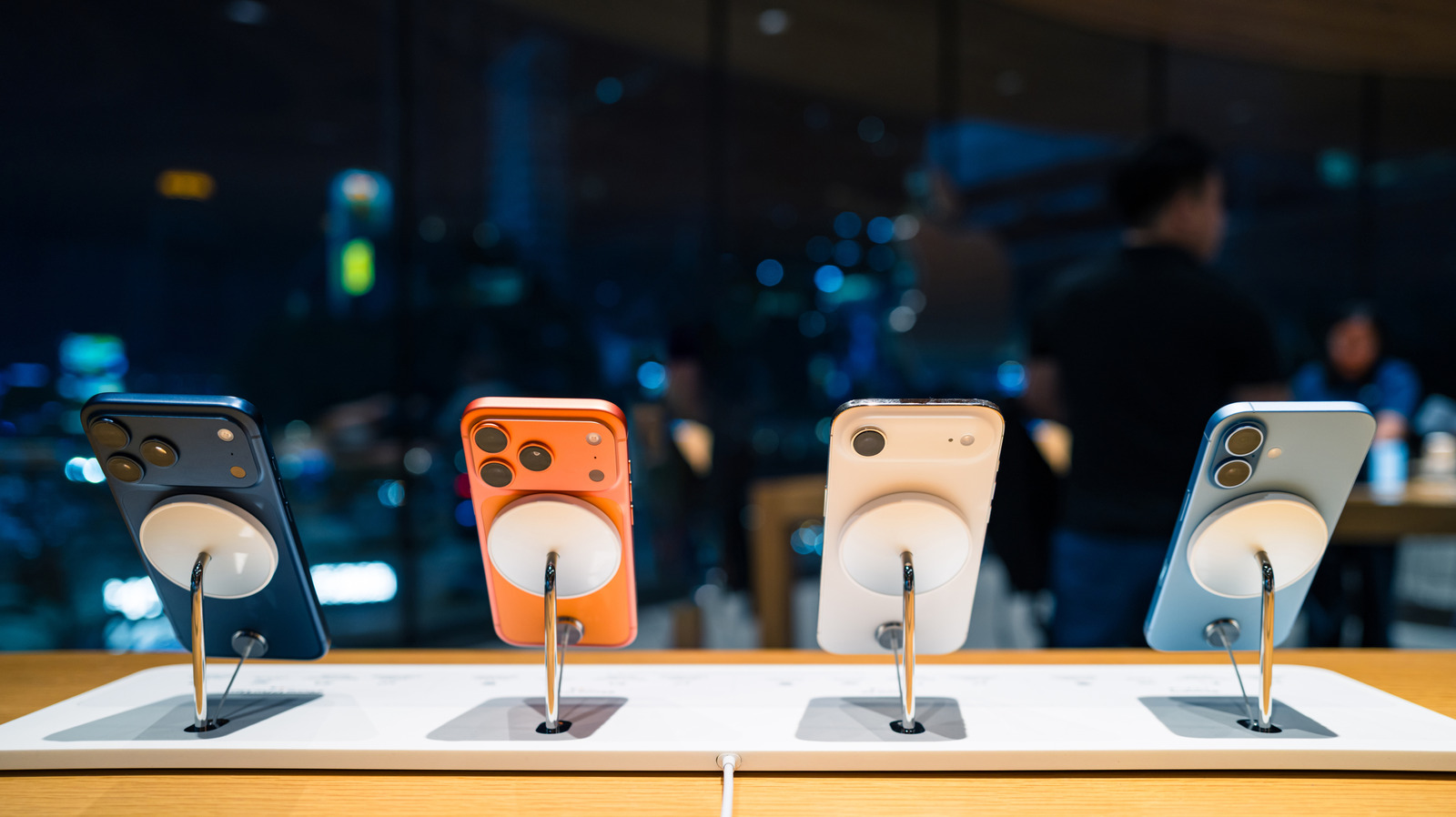
When you’re weighing whether to buy a new iPhone, there’s more than the sticker price to think about; carrier deals, unlocked models, travel habits, and upgrade options all change the math and the experience.
Price is the obvious starting point, but it rarely tells the whole story. Carriers often mask costs in monthly plans, trade-in credits, or conditional promos that vanish if you switch or miss a payment. Buying unlocked gives freedom, but that freedom can carry a higher up-front cost and a few compatibility questions for travel or less common networks.
Carrier promotions can be tempting, especially when they bundle phones into family plans or offer instant credits. Those offers usually come with strings (contract terms, device financing, or trade-in requirements) so read the fine print. If you plan to switch carriers or travel internationally, locked phones and carrier-specific firmware can become a headache.
Unlocked iPhones sell at full price, but they remove long-term carrier commitments and often resell better. An unlocked model makes it easy to grab a local SIM when you travel, or use eSIM profiles across carriers without juggling physical cards. The trade-off is that unlocked phones rarely come with the same upfront discounts that carriers use to lure customers into multi-year plans.
Think about upgrade programs and financing too, since these shape your real cost. Apple and some carriers offer monthly payment plans that spread the price over time and sometimes include upgrade options after a year. Those upgrades can be great if you like the latest hardware, but they can also keep you paying more in the long run if you swap devices frequently.
Trade-ins and resale value matter a lot with iPhones, because Apple devices usually hold value better than many competitors. A smart trade-in can cut hundreds off the next purchase, but trade-in values depend on condition, model, and timing. Selling privately often nets more cash, though it requires extra effort and comes with some risk.
Travel habits should influence whether you buy unlocked or carrier-locked. If you cross borders often, an unlocked phone or one with robust eSIM support is a practical move. If you rarely leave the country and want the cheapest monthly bill, a carrier deal with a locked device might be acceptable for a few years.
Storage and model choices also change the price landscape; more storage and Pro models add up quickly. Consider how you use your phone: stream most content and rely on cloud storage, or shoot tons of photos and store local files? Opting for a mid-tier model with cloud backups can deliver most user needs without overpaying for top-spec hardware.
Warranty and protection plans deserve their own slot in your decision tree. AppleCare and carrier protection plans cover accidental damage and extended repairs, which can be worth it if you tend to drop devices. On the other hand, careful users who prefer third-party insurance or have credit card protections may skip extended plans to save cash.
Timing your purchase around Apple events and seasonal sales is a simple way to save. New model announcements often drop trade-in values on older devices while opening the door to last-generation discounts. Black Friday, back-to-school, and carrier promos still produce genuine deals if you avoid impulse buys and check the total ownership cost over the promo period.
Finally, consider buying refurbished or certified pre-owned if up-front cost matters most. Certified devices can offer substantial savings with minimal downside, since they usually include warranty coverage and thorough testing. Whether you choose a carrier special, an unlocked unit, or a refurbished phone, focusing on long-term cost, travel compatibility, and upgrade patterns will make the new iPhone feel like a smarter buy rather than just an expensive impulse.
