
This piece explains why incomplete gasoline combustion makes a car run rough, the warning signs to watch for, the damage it can cause to engine components, and practical steps to diagnose and fix the problem so you can avoid costly repairs.
When fuel doesn’t burn cleanly inside the engine, you notice it fast. Your car might idle unevenly, stumble under acceleration, or throw a misfire code that never seems to clear. Those small annoyances are often the first hints of incomplete combustion and they’re worth taking seriously before things get worse.
Incomplete combustion usually starts with a basic imbalance: too much fuel, too little air, or weak ignition. Worn spark plugs, fouled injectors, clogged air filters, malfunctioning oxygen or mass airflow sensors, and vacuum leaks all push the engine away from the precise mix it needs. Even the wrong fuel or poor-quality gasoline can make the flame front sputter and leave unburned fuel in the exhaust stream.
The symptoms are fairly consistent and easy to spot once you know what to look for. You might see black smoke from the tailpipe, smell raw gasoline, notice poor fuel economy, or feel vibration and jerking at idle. Modern cars usually flag the problem with a check engine light and diagnostic trouble codes related to misfires or rich-running conditions.
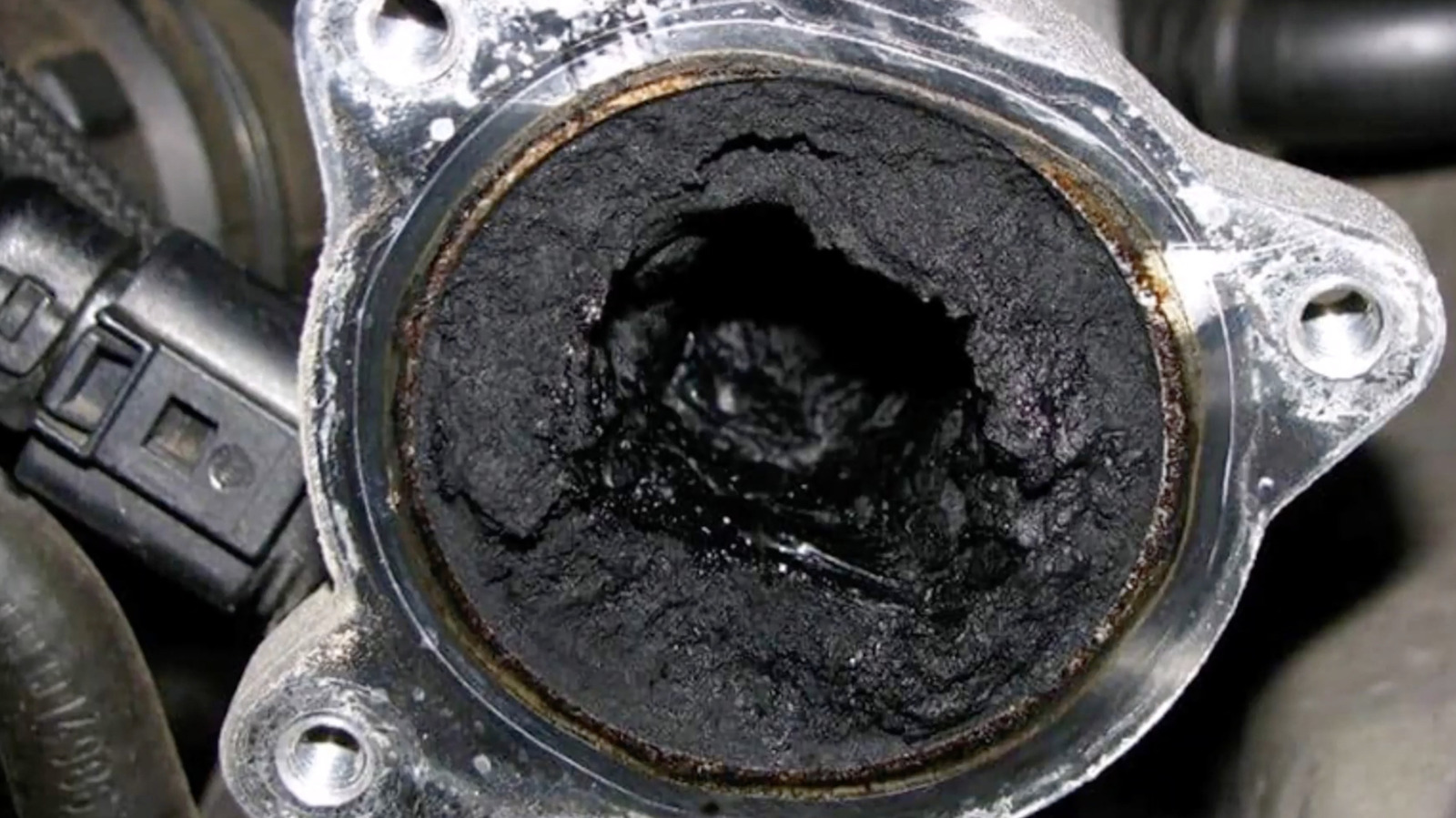
The consequences go beyond a rough drive and wasted fuel. Unburned fuel washing past the piston rings can dilute the oil, lowering lubrication and accelerating wear. That fuel can also overheat the catalytic converter or clog its precious surface with soot, causing expensive repairs or replacement. In extreme cases, persistent misfires can lead to burned valves or damaged pistons.
Diagnosing incomplete combustion is a methodical process that starts with simple checks. Scan the car for trouble codes to narrow down the systems involved, then look at the spark plugs for color and wear; the plug’s appearance tells you a lot about how the combustion chamber is behaving. Fuel pressure and injector flow tests can confirm whether the fuel system is delivering too much or too little, while a compression test reveals mechanical issues like worn rings or valves.
Sensor checks are a must because a bad reading can trick the engine into the wrong air fuel mix. Mass airflow and oxygen sensors are common culprits that cause engines to run rich or lean when they fail. Cleaning or replacing these sensors and ensuring the air intake and vacuum lines are intact often restores proper combustion without major parts swaps.
Some fixes are quick and cost-effective, and those are the ones you should try first. Swap old spark plugs, replace a dirty air filter, and clean or service fuel injectors to restore spray patterns. Address any vacuum leaks, and use a quality fuel additive to help clear stubborn deposits in the intake and combustion chambers.
Other problems demand deeper work. If compression is low, or if you find metal or heavy deposits on valves and pistons, expect to inspect the head, valves, or rings. Catalytic converter damage from long-term raw fuel exposure rarely reverses, and replacing it is often the only practical option if it’s been severely fouled or overheated.
Preventing incomplete combustion starts with routine maintenance and smart habits. Replace consumables on schedule, use decent fuel, and avoid extended periods of low-speed driving that let deposits build up. Periodic fuel system cleaning and attention to engine warning lights will catch problems early, when fixes are simpler and cheaper.
When symptoms appear, act quickly and work through basic diagnostics before assuming the worst. Many causes are symptoms of neglect rather than sudden failure, and a focused effort will get the engine breathing and firing like it should. Fixing incomplete combustion early saves money, protects key components, and keeps the car smooth and reliable on the road.
