
The cruise ship outbreak centered on the M/V Hondius has prompted an international response: evacuations, WHO assurances, American quarantines, and urgent on-the-ground coordination as authorities try to keep the situation contained while caring for those affected.
Seventeen American passengers are among roughly 150 people to be evacuated from the ship that has been linked to a hantavirus outbreak, and the vessel will anchor off the Canary Islands as international teams prepare to respond. The World Health Organization’s director-general has stepped into the story, aiming to calm nerves and oversee the local operation in Tenerife. On the ground, officials are moving quickly to separate the sick from the healthy and to begin monitoring everyone who was onboard.
In a lengthy Saturday morning , Ghebreyesus assured the globe that the risk Hantavirus poses to public health remains low. He is expected to travel to Tenerife to see the response in person and to meet the health workers and officials handling the evacuation. That kind of visibility matters when people want direct answers and steady leadership.
“I know you are worried. I know that when you hear the word ‘outbreak’ and watch a ship sail toward your shores, memories surface that none of us have fully put to rest,” Ghebreyesus wrote. “The pain of 2020 is still real, and I do not dismiss it for a single moment. But I need you to hear me clearly: this is not another COVID-19. The current public health risk from Hantavirus remains low. My colleagues and I have said this unequivocally, and I will say it again to you now,” he continued.
https://x.com/DrTedros/status/2053083645292773817
“I intend to travel to Tenerife to observe this operation firsthand, to stand alongside the health workers, port staff, and officials who are making it happen, and to personally pay my respects to an island that has responded to a difficult situation with grace, solidarity, and compassion,” he wrote. “Your humanity deserves to be witnessed, not just acknowledged from a distance. As I have said many times: viruses do not care about politics, and they do not respect borders. The best immunity any of us has is solidarity,” the WHO head continued.
Even with reassurances, the outbreak has been serious for those directly affected. Officials have confirmed three deaths among passengers linked to the ship, and Ghebreyesus called the strain aboard the vessel “the Andes strain of hantavirus.” That strain is known to cause severe illness in some cases, so local responders and international partners are taking precautions and watching for new cases closely.
The U.S. government has arranged to move American passengers to a military base in Nebraska for quarantine and medical monitoring, a clear and practical step to limit domestic exposure while providing care. From a Republican perspective, that kind of decisive action — using military facilities and clear protocols — is the right move when lives and public confidence are at stake. It keeps Americans safe and makes sure medical teams can step in quickly if anyone worsens.
President Donald Trump addressed the situation directly to reporters, saying, “We have very good people looking at it. It seems to be okay. They know the virus very well. They’ve worked with it for a long time. They know it very well. Not easy to pass on. So we hope that’s true.” The tone was straightforward: experts are handling the case, and officials are watching transmission risks carefully.
“Our American passengers, they’re gonna be taken to Nebraska, to a center where they will be monitored. They will be isolated, they’ll check their vital signs, their temperature, their oxygen level, their blood pressure,” Dr. Janet Nesheiwat, a former Trump-tapped nominee for Surgeon General, told Fox News on Saturday. “If they start to develop any symptoms, we can intervene early. Because as it is right now, there’s no specific treatment for this virus other than supportive care, like oxygen, fluids, hydration, analgesics,” she said.
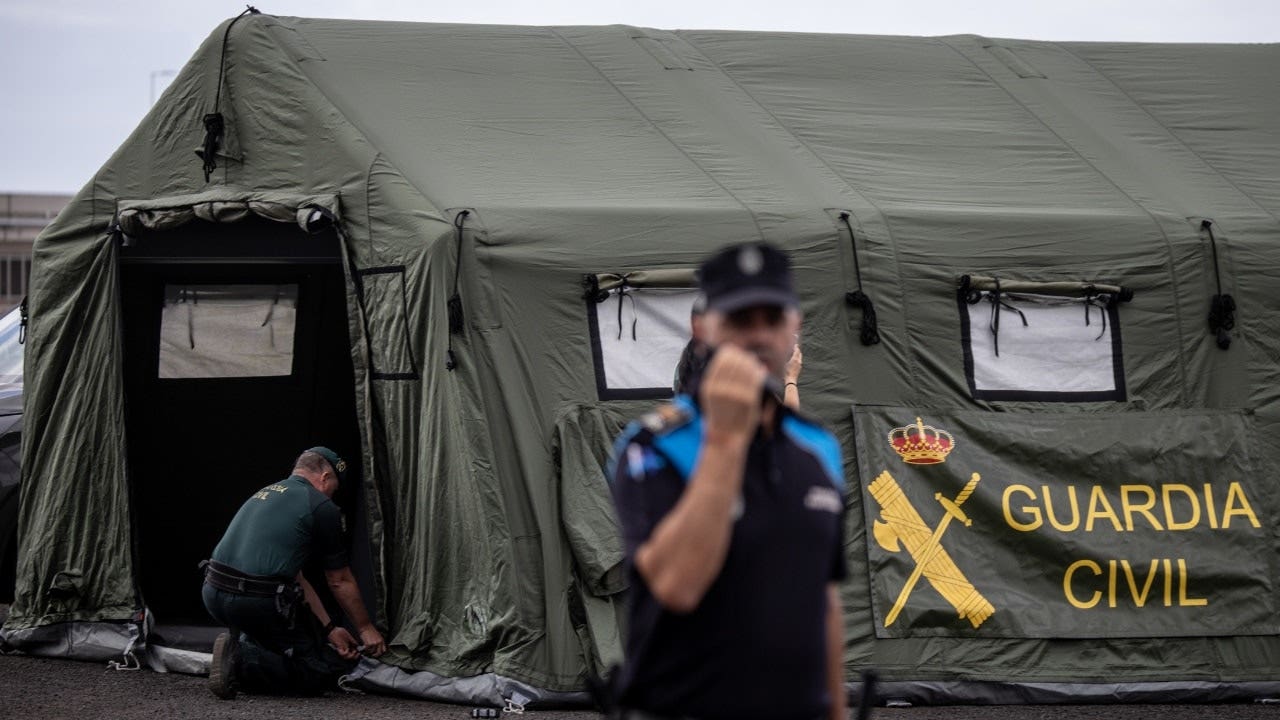
On both sides of the Atlantic, the focus is on fast identification, isolation, and supportive treatment. Authorities are coordinating evacuations, transport, quarantine and monitoring, and local teams in Tenerife are preparing to receive the disembarking passengers while international agencies observe and assist as needed. The priority remains clear: contain the risk, treat the sick, and keep communities reassured through transparent action and oversight.
