
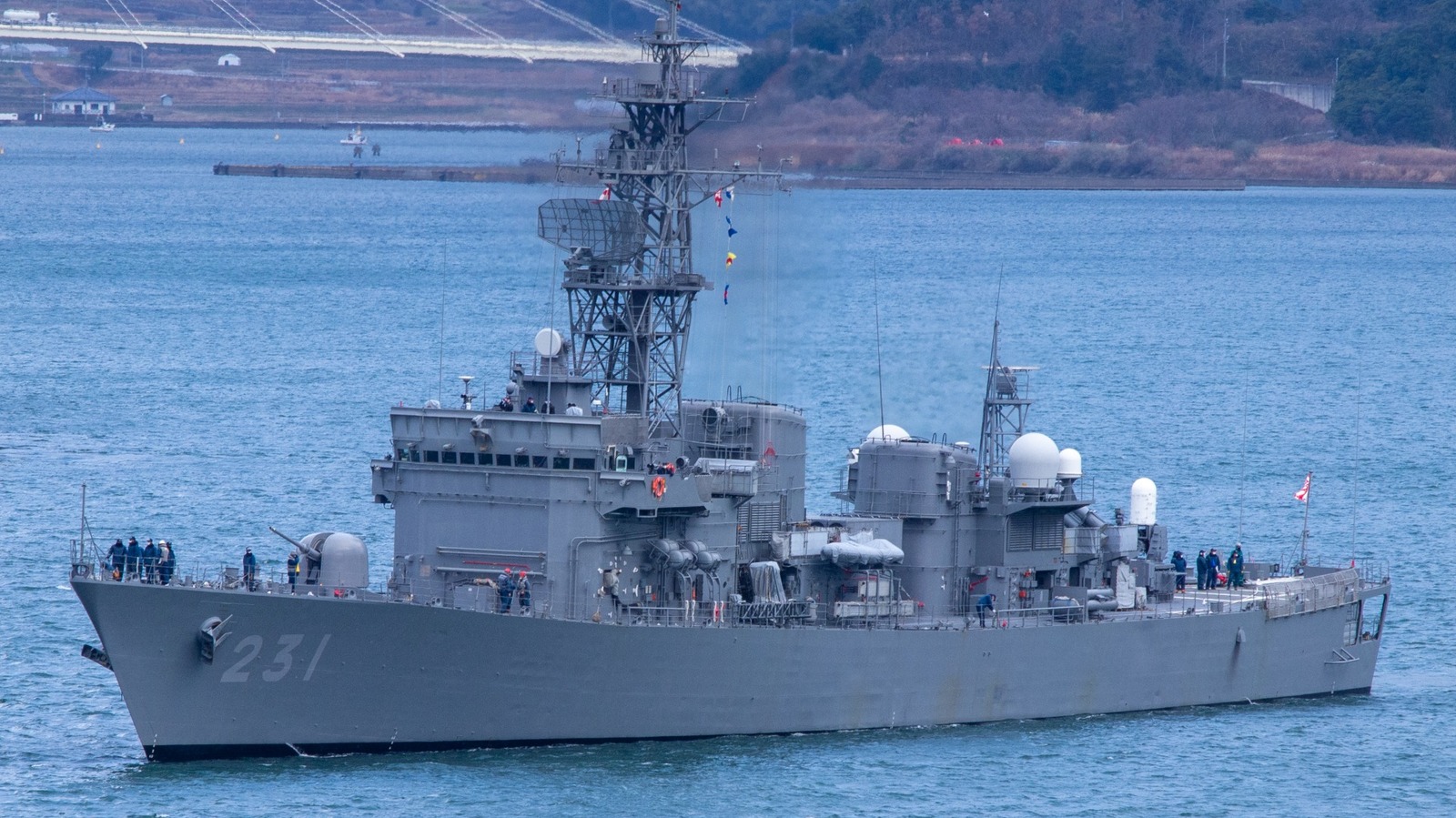
Japan’s retiring destroyers are finding new lives abroad, and this piece looks at why those older warships matter, who might want them, how transfers work, and what the ripple effects could be across the region.
There is a simple logic at work: modern navies regularly refresh fleets, and yesterday’s frontline ships can still be powerful tools for smaller forces. Japan has been upgrading its Maritime Self-Defense Force with newer hulls and systems, which leaves capable but older destroyers available. For many countries, acquiring a secondhand destroyer is a shortcut to boosting maritime presence without waiting years for a new shipyard build.
Buyers tend to be nations with growing maritime needs but limited defense budgets, such as countries in Southeast Asia and some Pacific island states. These navies face rising demands for patrols, search and rescue, and territorial defense, and a used destroyer expands their options quickly. Governments also see these transfers as a way to strengthen diplomatic and security ties with Japan.
Even older destroyers bring substantial capabilities to a buyer: anti-submarine systems, radar-guided air defense, and anti-ship missiles can change how a navy operates. A ship that can escort convoys, hold a patrol line, or operate with allied forces adds flexibility that smaller vessels cannot match. Those capabilities are often what makes the cost- benefit equation tilt toward purchase rather than waiting for domestic construction.
Cost is a major driver. Building a new destroyer costs billions and takes years, while a used hull arrives faster and at a fraction of the price after refit. The savings cover training, spare parts, and upgrades to sensors and communications to make the ship interoperable with existing fleets. For many governments, that pathway is politically easier to justify than large new procurement programs that squeeze national budgets.
Japan’s export policy has evolved, which opens the door for such transfers while keeping strict oversight in place. Transfers of defense equipment now occur within frameworks meant to prevent escalation and ensure legal compliance. That process includes detailed vetting, end-use agreements, and sometimes restrictions on weapon systems, so the operational benefit comes with strings attached.
Turning a decommissioned destroyer into an effective asset is not just a paperwork exercise. Recipients need trained crews, tailored maintenance regimes, and logistics for parts that may no longer be in production. That often means longer-term partnerships with the original manufacturer or Japanese suppliers to keep systems running. Without that support, a shiny hull can become an expensive maintenance problem rather than a force multiplier.
Strategically, the movement of these ships can be subtle but consequential. They can raise a navy’s ability to patrol exclusive economic zones, deter illicit activity, and contribute to regional exercises with allies. At the same time, transfers are handled carefully to avoid triggering arms races or stoking tensions among neighbors, so diplomatic choreography often accompanies the technical handover.
Operationally, recipients frequently modernize weapons, sensors, or command systems to match national doctrines, which adds time and cost but makes the ships more relevant to current threats. Training programs are usually staged and can include port visits, joint exercises, and instructor exchanges that deepen defense cooperation. Those soft elements can be as valuable as the physical ship in building lasting capability.
If these deals proceed, expect them to be gradual and selective, with Japan prioritizing partners that demonstrate stable governance and responsible maritime stewardship. The transfers will be a blend of practical maintenance plans, tailored upgrades, and diplomatic assurances. Over the next several years, reassigned destroyers could quietly enhance patrols and interoperability across the Indo-Pacific without the fanfare of new-build launches.
