
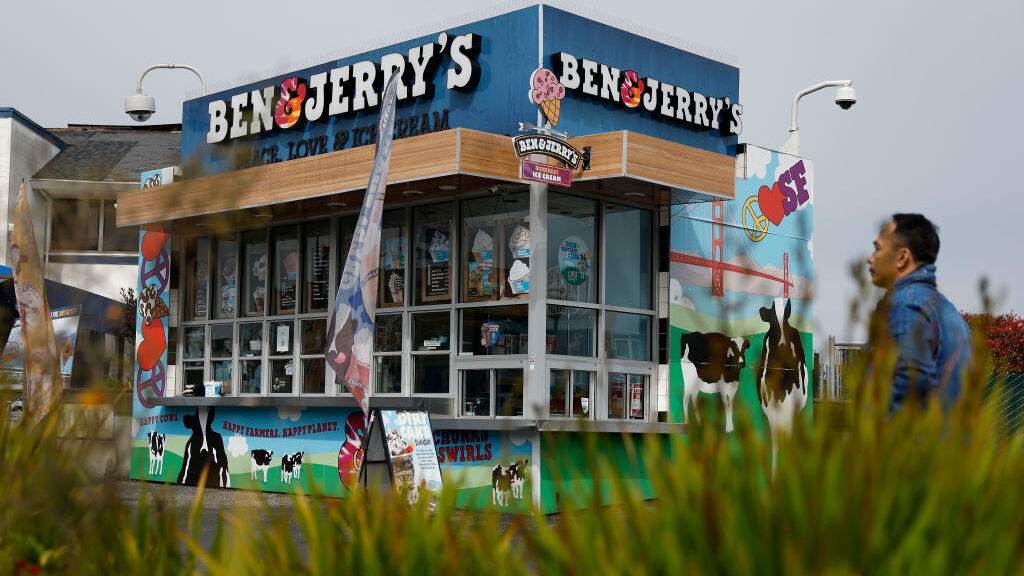
When Ben Cohen and Jerry Greenfield sold Ben & Jerry’s in 2000 for $326 million, they insisted the brand keep an independent board to safeguard its social mission. That governance promise shaped the company for years, but recent moves by Magnum, the conglomerate now in charge, have turned that safeguard into the center of a bitter legal and public fight. Founders, a foundation and former directors are pushing back, saying the spirit of the deal is being hollowed out. The dispute now raises big questions about how binding deal promises are when ownership changes hands.
The independent board that once protected Ben & Jerry’s mission has been largely removed, leaving only a Unilever-appointed director and the company CEO in place, according to reporting on the governance shakeup. The former directors describe the change as a coordinated dismantling of their oversight role, while Magnum says its actions were routine and based on eligibility concerns like term limits and allegations of misconduct. That clash over motive and authority landed in court when the independent board sued, arguing the removals violated the original sale agreement.
The Ben & Jerry’s Foundation also stepped into the legal fray after Magnum stopped providing it with previously approved funding, and a judge allowed the foundation to join the lawsuit. That move broadened the fight from a boardroom tussle into a more public campaign about whether corporate governance can be used as leverage to change a company’s values. Greenfield has already resigned after 47 years, and a former board chair filed a separate defamation case in California, turning the conflict into multiple legal fronts.
Ben Cohen has not held back. “We’re turning up the heat,” he told reporters as he demanded Magnum sell Ben & Jerry’s to investors who would honor the brand’s values. He also threatened a consumer boycott of Magnum’s portfolio — which includes familiar names like Breyers, Klondike and Talenti — if the company refuses to reverse course or pursue a sale that restores independent oversight. That kind of public pressure aims to leverage consumer sentiment against corporate control decisions.
At the heart of the case is a governance clause written into the 2000 merger agreement that explicitly assigned an independent board to provide leadership for Ben & Jerry’s social mission and brand integrity. The original point was straightforward: ownership could change, but the mission protection could not. Magnum counters that it exercised contractual authority by removing directors who had become ineligible, a legal distinction it says separates its actions from an outright breach of the merger terms.
Liz Bankowski, President of the Ben & Jerry’s Foundation Board of Trustees, framed the stakes bluntly: “This is about more than a contract.” She argued the dispute tests whether corporate governance can be weaponized and whether funding can be withheld when prior commitments become inconvenient. For employees, loyal customers and nonprofit partners, the case is less about technicalities and more about whether promises made to protect a brand’s purpose can survive corporate handoffs.
The disagreement also carries practical business consequences. Magnum’s stock hit a 52-week low heading into its first shareholder meeting, after a slide that left the company a target for critics and short sellers. Still, the broader debate over purpose-led business performance remains unsettled: examples of mission-driven brands that grew substantially without traditional ad pushes are often cited, but skeptics say those wins don’t guarantee every purpose claim will survive a change in ownership or board control.
Courtroom rulings will ultimately decide whether the independent board’s authority survives or whether Magnum’s interpretation of the governance terms stands. M&A expert Farzad Mukhi called the situation highly unusual and told reporters, “I can’t think of any similar cases.” Until judges rule, the immediate consumer choice is more pointed than ever: when you pick up a pint of ice cream, do you know whose values are on the label and whether those values are still being protected?
