
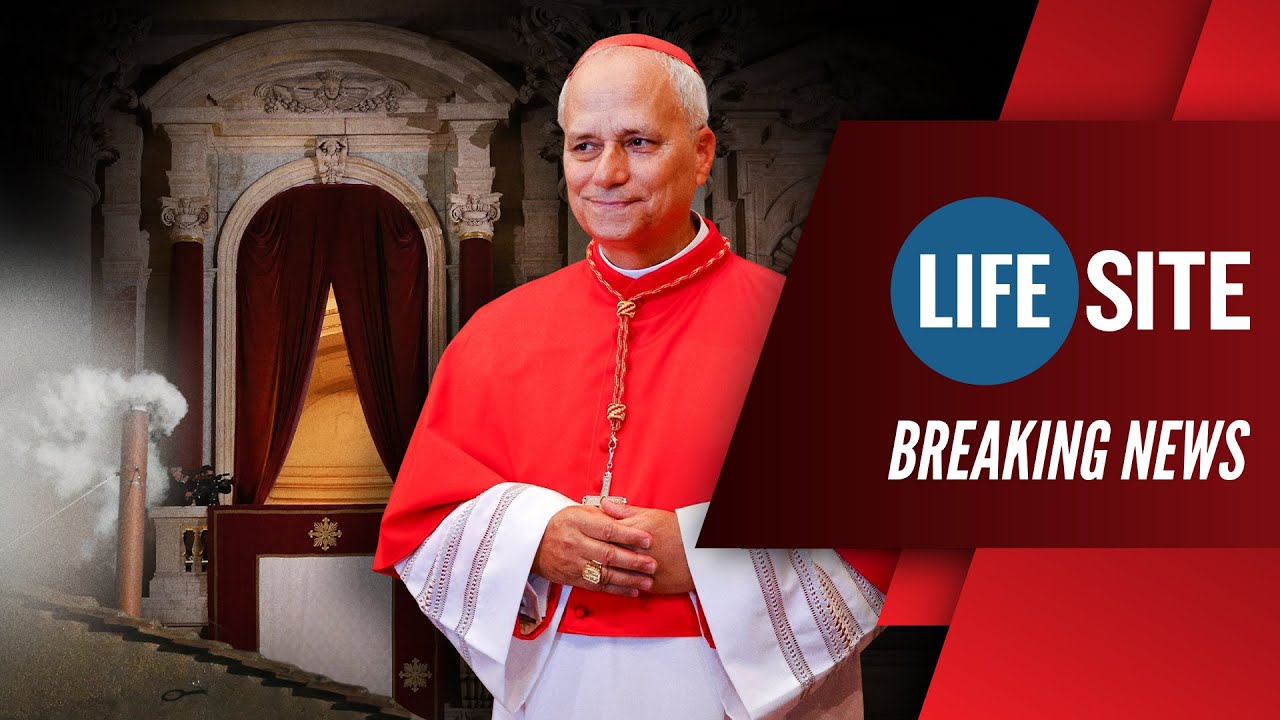
One year on, the Vatican marked the moment when Cardinal Robert Francis Prevost was chosen as the 268th successor of St. Peter and took the name Pope Leo XIV, stepping onto St. Peter’s Basilica balcony to give his first blessing and set a new tempo for the global Church. This piece looks at the scene inside the Sistine Chapel, the mood in Rome, and the early signals this papacy sends to Catholics worldwide without speculation beyond observable milestones. It traces how a solemn conclave decision became a public, unmistakable moment and why believers and observers took notice. The article keeps a clear eye on what happened and what that first day suggested about priorities to come.
The election emerged after concentrated days of prayer and deliberation in the Sistine Chapel, where cardinals gathered to weigh pastoral needs, doctrinal stewards, and the Church’s place in a fast-changing world. Choosing Cardinal Prevost, a figure known for steady pastoral work, suggested a desire for continuity wrapped in quiet reform. When he assumed the name Pope Leo XIV, the choice signaled both historical resonance and a personal stamp shaping how he wants to be remembered. That name carried echoes of past popes while leaving room for fresh emphasis on service.
On the balcony of St. Peter’s Basilica, the new pope’s first blessing was more than ritual; it was the public opening of a papacy and an invitation for Catholics to watch, pray, and respond. The visual of that first blessing captured global attention, with cameras and pilgrim phones recording a moment meant to unify. The balcony appearance is a stage on which tone is set, and his calm, deliberate presence read as pastoral first, managerial second. For many, it delivered reassurance that leadership would be steady during uncertain times.
For ordinary Catholics, the practical questions are immediate: how will liturgy be approached, what priorities will dioceses feel, and how will Vatican diplomacy shift? Early actions matter because they shape momentum: appointments, letters, and tone-setting homilies quickly reveal emphasis areas. Pope Leo XIV’s background suggested a pastorally minded leader likely to focus on parish life, clerical formation, and clear teaching. That profile drew both comfort and scrutiny from different corners of the Church.
Observers also watched how this papacy would handle fractures inside and outside the Church, from internal debates to international moral conversations. The challenge is balancing tradition with responsiveness, keeping doctrinal clarity while addressing real-world pastoral concerns. Decisions about liturgical norms and pastoral outreach will be read as signals about the Vatican’s compass. How quietly or boldly those signals are sent will define reactions from bishops, theologians, and laity alike.
Practically speaking, the pope’s early months set administrative rhythms that ripple down to diocesan levels around the world. Apostolic letters, new appointments, and priorities announced in public addresses guide where resources flow and where attention lands. Parishes watch for support in catechesis and clergy formation; global Catholic institutions look for clarity on engagement with broader society. These operational moves aren’t glamorous, but they determine everyday spiritual life for millions.
The emotional side of the anniversary shouldn’t be minimized: the image of the pope on the balcony still moves people, especially those who remember conclaves and transitions as defining moments in their faith journeys. Pilgrims, parishioners, and diaspora communities saw in that scene a reaffirmation of continuity—an ongoing story that links local worship to a global Church. That human element fuels devotion and keeps institutional shifts grounded in lived practice.
Looking ahead, the first-year marker offers a checkpoint rather than a verdict: we can register tone, priorities, and early decisions while acknowledging that a papacy unfolds over years. Catholics and commentators will continue to parse speeches and choices for clues about long-term direction, but the initial gestures already convey a clear preference for pastoral steadiness. As this papacy continues, that mixture of history, ritual, and practical governance will shape how Pope Leo XIV is experienced across parishes, seminaries, and diplomatic halls.
