
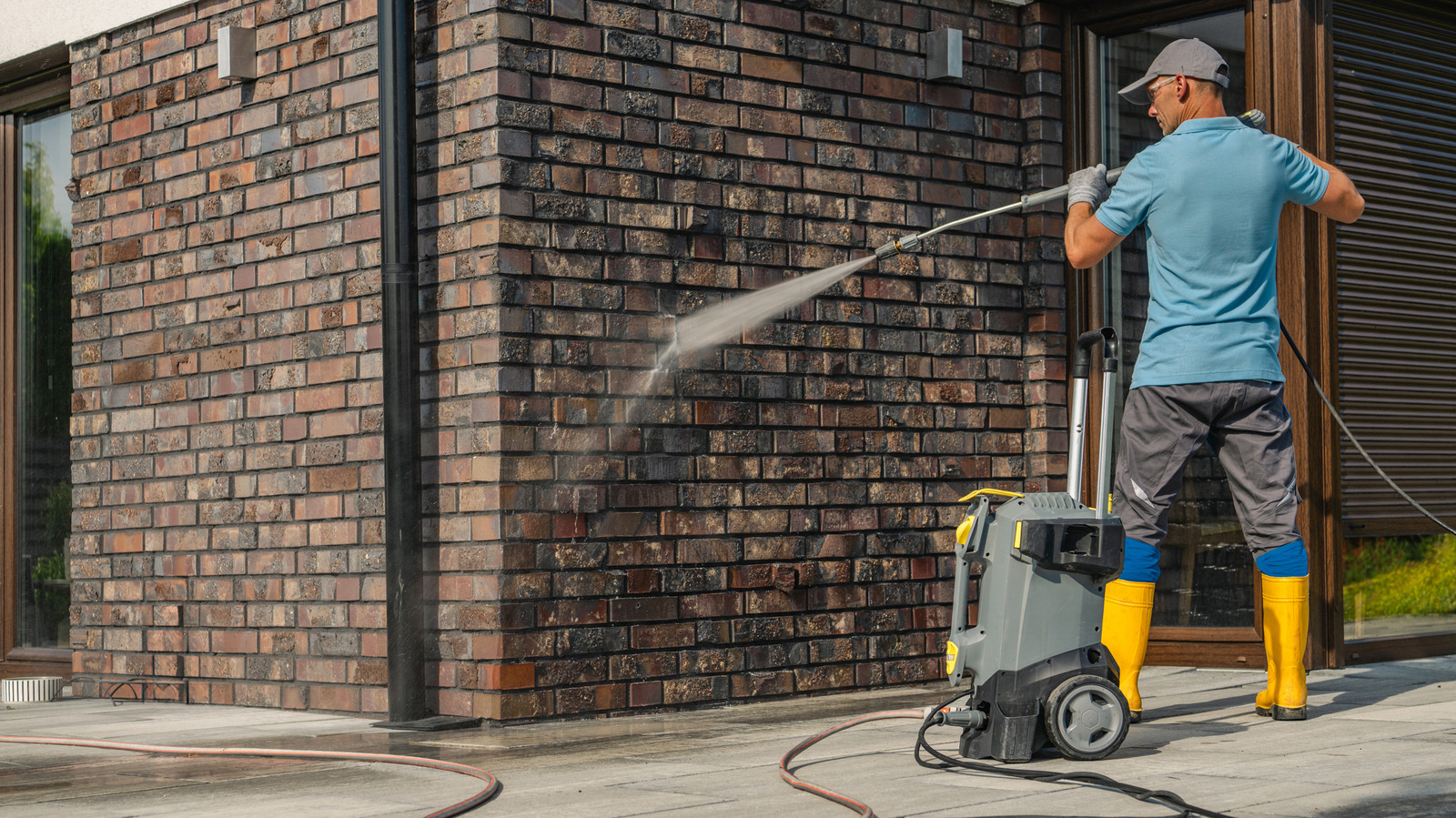
Pressure washers blast away dirt fast, but owning one isn’t always the smartest move. Renting can cut costs, save space, and keep you from wrestling with upkeep for a tool you only use occasionally. The decision comes down to how often you clean, what surfaces you attack, and how much hassle you want to sign up for.
If you wash once or twice a year, renting usually wins. A rental covers the machine, hoses, and often the basic nozzle assortment you’ll need, so you don’t pay for a tool that sits in the garage most of the time. That one-day fee is often a fraction of the price to buy a decent unit, and you avoid depreciation and storage headaches.
When frequency creeps up — seasonal projects, rental properties, or a very dirty driveway — owning starts to make sense. Buying becomes cost-effective once rental costs add up over repeated uses, and having your own machine means you can tackle chores quickly on your own schedule. Still, factor in maintenance, winterizing, and the likelihood you’ll actually use it enough to justify the purchase price.
Storage matters more than people expect, especially in tight spaces. Pressure washers are bulky, need dry storage to avoid rust or fuel issues, and some models require winter prep to prevent frozen internal parts. If you live in an apartment or lack a dry shed, renting removes the need to carve out dedicated space and keeps your life less cluttered.
Not all pressure washers are equal, and rentals let you pick the right power for the job without committing to one model. Light-duty electric units are great for decks and cars, while gas machines pack the punch for driveways and siding. Renting lets you match power and nozzle types to the task, which reduces the risk of using too much pressure and damaging surfaces.
There’s also a time and skill factor: a powerful machine can be dangerous and easy to misuse. If you’re not comfortable with PSI settings, nozzle angles, and safe operating distance, a rental with a quick demo from staff can get you the right instruction without long-term responsibility. For complicated jobs you haven’t done before, renting and asking for a demo avoids costly mistakes and keeps you safer.
Maintenance and hidden costs tip the scale for a lot of buyers. Owning means filter changes, oil checks, spark plugs, and occasional repairs, plus replacement parts when things wear out. When you rent, the company absorbs that maintenance, and you only pay for the days you need the machine and any optional add-ons or insurance you choose.
Finally, think about resale and opportunity cost: a pressure washer loses value fast and can be hard to sell at full price when it’s used. If you expect sporadic use over a few years, renting until a clear need emerges preserves your money and avoids a tool that becomes yard junk. For steady, heavy use, buying a robust unit pays off, but for most homeowners, renting hits the sweet spot between affordability and convenience.
