
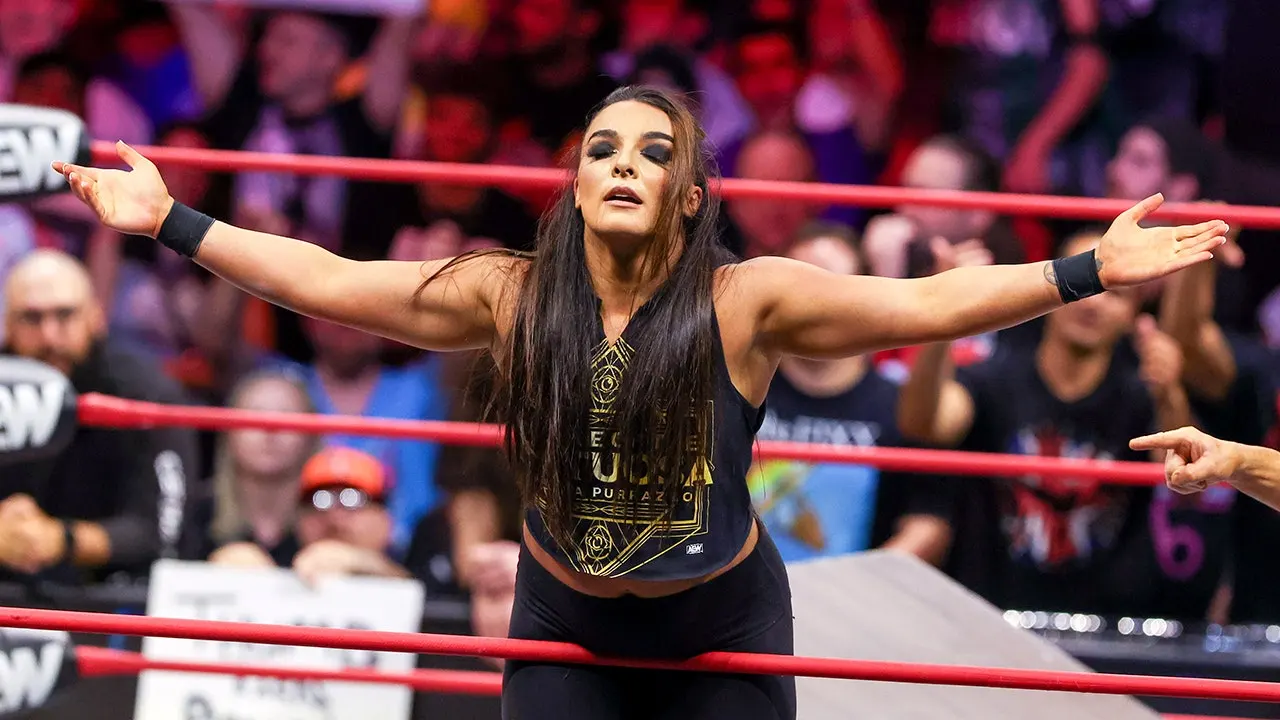
Deonna Purrazzo is spotlighting Ring of Honor as a strong landing spot for women’s wrestling while also putting energy into a charity event that helps military veterans in need, blending promotional savvy with a genuine commitment to service.
Purrazzo has been vocal about the opportunities ROH can offer female performers, arguing that the brand provides meaningful match time and a platform to showcase technical skill. She points to the company’s renewed focus and the chance for women to headline cards as reasons it’s attractive for talent looking to grow. That kind of visibility matters in a sport where minutes and storytelling shape careers more than hype alone.
Her take isn’t just promotional chatter; it’s born from experience navigating the modern wrestling landscape where options are varied but not always equal. For many women, finding a place that treats them as main-event caliber changes trajectories and opens doors beyond ring work, from commentary to mentorship roles. ROH presents itself as a place where craft can be prioritized, and Purrazzo leans into that narrative.
Beyond in-ring possibilities, Purrazzo highlights how ROH’s structure can foster long-term development. The promotion’s mix of TV exposure and touring dates gives wrestlers a lab to test ideas and build connections with fanbases. Those steady opportunities help performers refine personas and deliver consistent storytelling night after night.
Off the canvas, Purrazzo channels the same determination into charitable work, organizing a fundraiser aimed at military veterans who are struggling. She’s using her platform to bring attention and resources to those who served and now face hardship, translating wrestling visibility into tangible help. It’s a reminder that athletes can leverage fame for local impact without losing focus on their craft.
The charity event blends personal outreach with entertainment, offering matches and appearances that drive donations and community interest. Purrazzo aims for an atmosphere that respects veterans’ dignity while creating a fun, engaging show that encourages support. Those dual goals make the event more than a fundraiser; it becomes a public bridge between wrestling fans and real-world needs.
This combination of industry advocacy and community service shapes how Purrazzo is perceived among peers and fans. Wrestlers who speak up for better conditions and then follow through with action tend to earn respect, and Purrazzo is positioning herself as someone who backs words with work. That reputation can influence booking decisions and deepen fan loyalty over time.
Looking ahead, the message is clear: opportunities for women in wrestling should be practical and sustainable, and public figures can—and should—use their reach to help vulnerable groups. Purrazzo’s dual focus on ROH as a viable home for women and on direct service to veterans creates a model others can emulate. It keeps the spotlight on both athletic progress and social responsibility without turning either into mere talking points.
