
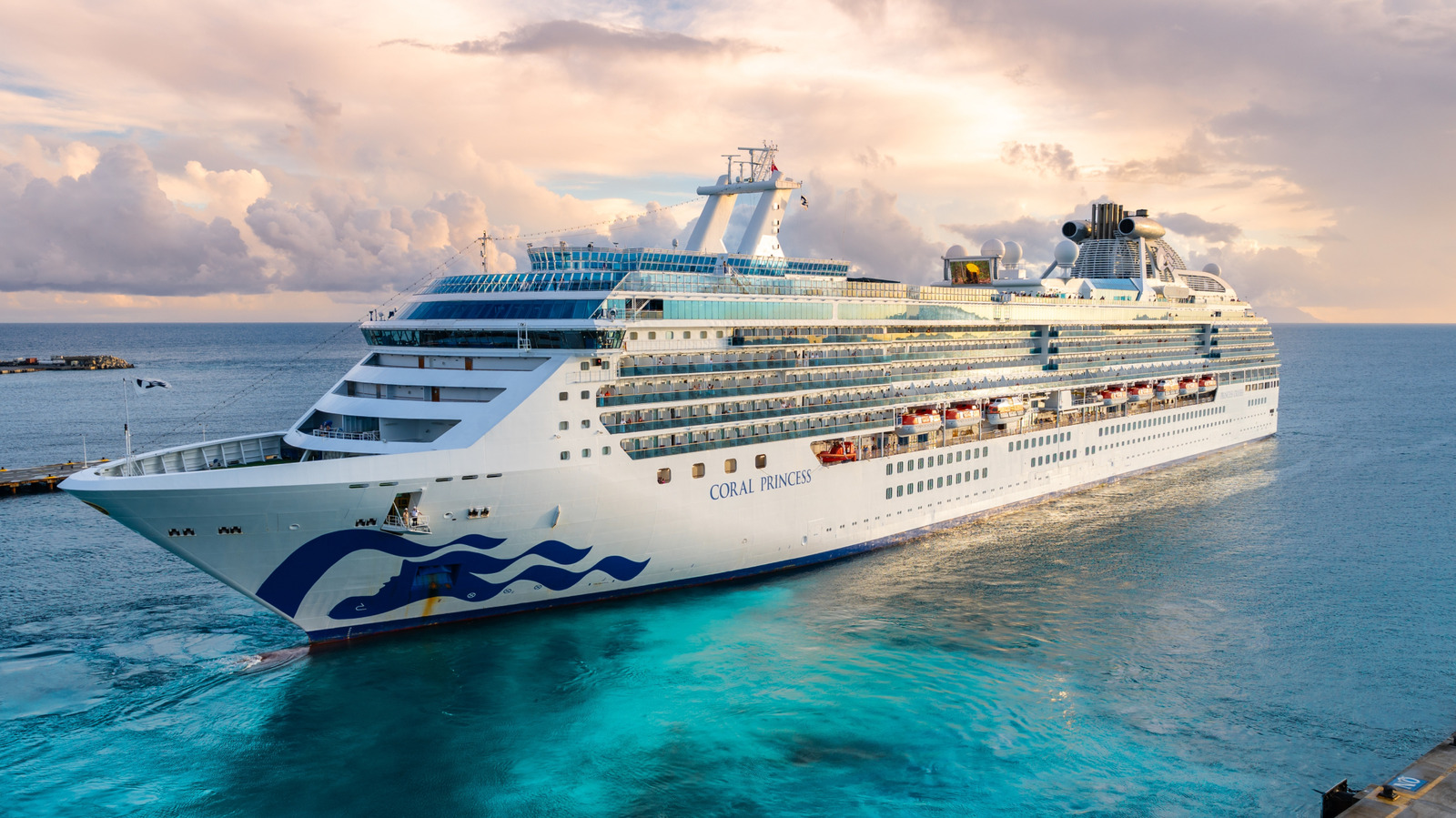
Think of a modern cruise ship as a floating city with engines instead of a power plant, and you get why people ask, “How many engines do these giants actually use?” This piece looks at the common engine counts and how those machines work together to move a vessel carrying thousands of passengers. You’ll see why redundancy, propulsion choice, and fuel type matter more than a simple number. The question at heart—how many engines—gets answered alongside the why and the how.
Large cruise ships most often carry multiple main engines rather than a single monster motor. Depending on size and design, the typical range is roughly two to six main engines, with some designs pushing toward eight for ultra-large or specialized vessels. Smaller cruise ships and expedition vessels commonly use two or three engines to balance power and efficiency.
Those engines rarely drive propellers directly in modern builds; instead they usually act as generators in a diesel-electric setup. The electricity they produce feeds electric motors that turn either traditional shaftlines or podded azimuth thrusters, which give better maneuverability and layout flexibility. Some ships still use direct-drive diesel engines with reduction gears, but electric propulsion has become the dominant trend.
Multiple engines give operators flexibility to match power to demand and to isolate faults without losing propulsion. If one engine needs maintenance, others can pick up the load so the ship can continue its voyage or reach port safely. That redundancy also helps with safety regulations and operational reliability on long ocean transits.
Power per engine varies, but each unit commonly delivers thousands to tens of thousands of kilowatts, so combined output lives in the tens of thousands to well over 100,000 kilowatts on the largest ships. In horsepower terms, that’s many tens of thousands to a few hundred thousand horsepower available when all engines are online. The total has to cover propulsion plus the huge hotel load for lighting, HVAC, kitchens, and entertainment systems.
Fuel choice affects engine count and layout as much as ship size does. Traditional heavy fuel oil or marine diesel remain common, but more cruise lines are shifting to low-sulfur fuel and dual-fuel engines that can burn liquefied natural gas. Ships may also carry scrubbers, selective catalytic reduction systems, and other emissions controls to meet international rules and reduce environmental impact.
Maneuvering in port relies on more than the main engines: bow thrusters and stern thrusters handle precise movements, and those systems draw from the ship’s electrical grid supplied by the main generator set. That means the engine room supports both propulsion and hotel services at the same time, so designers balance capacity and redundancy carefully. Efficient load sharing between engines reduces wear and improves fuel economy over long voyages.
Looking ahead, the count and type of engines will keep evolving as operators test hybrids, batteries, and alternative fuels to cut emissions and operating costs. For now, count on multiple large engines working in concert on most cruise ships—engine numbers vary by design, but the goal is the same: safe, reliable, and efficient movement of a floating city across the seas.
