
The standoff in the Strait of Hormuz has become a test of priorities: protecting American energy security, resisting Beltway groupthink, and choosing whether to reward risky deals or hold the line. This piece looks at President Trump’s decision, the practical fallout of maritime blockades, and why voters — especially younger ones — want stability over spectacle.
President Trump’s turn-down of Tehran’s phased proposal landed square and political. From a Republican angle, the instinct to avoid rewarding bad actors is sound; we do not want to normalize coercion by letting a blockade be lifted with vague promises. At the same time, Washington must recognize the visible pain rising oil prices cause for everyday Americans.
The Strait of Hormuz is not just symbolism. It is a logistics chokepoint that moves real goods, fuels, and inflation numbers that hit paychecks. Relying on naval escorts and risky convoys to paper over a blockade is an expensive, brittle fix that shifts the bill to consumers and stretches our forces thin.
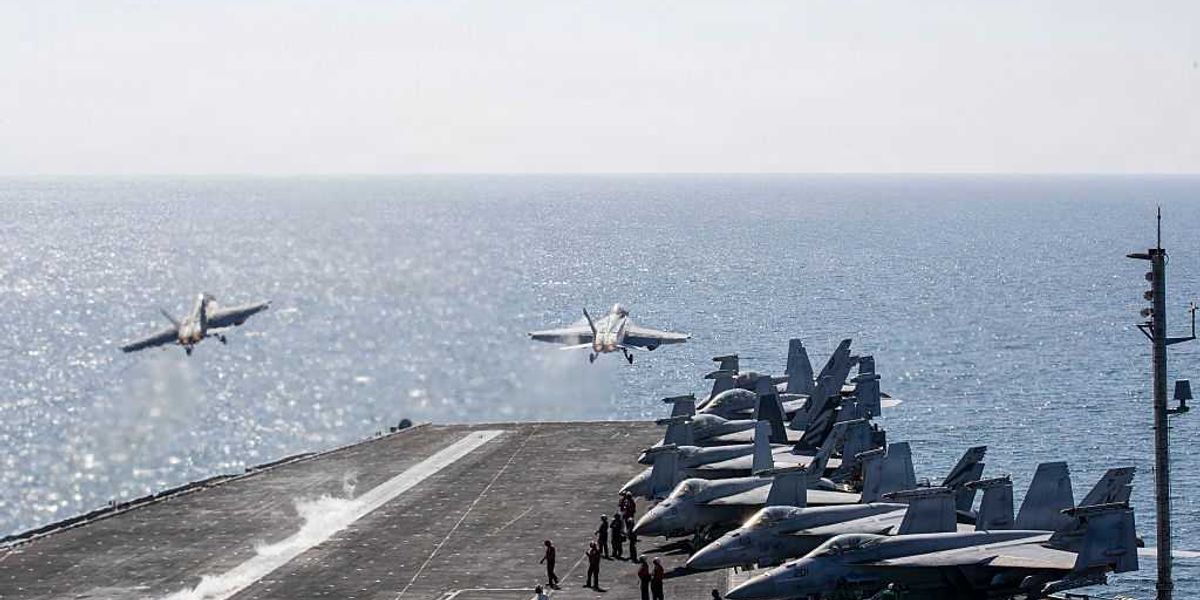
Project Freedom — the administration’s naval effort to shepherd commercial ships — signals seriousness about protecting commerce without igniting a larger war. That measured posture appeals to voters tired of open-ended deployments but who still expect the government to secure critical routes. It’s a practical Republican message: defend American interests, but avoid throwing young service members into permanent conflict zones.
The politics matter. Beltway elites often treat foreign crises as theater while voters watch prices rise at the pump. Americans are less interested in moral purity tests than in affordable gas and stable markets. That real-world concern is what should drive policy, not pundit passion plays that reward escalation for its own sake.
Younger voters, already skeptical of ‘forever wars,’ view the Iran standoff as another distraction from domestic priorities. They care about jobs, housing, and student costs, and they resent policymakers who use foreign entanglements to score points. A Republican message that ties security to economic relief has the potential to reconnect with that demographic without abandoning core principles.
Tehran’s offer, channeled through backchannels, looked like a tactical move to reset sanctions pressure without serious concessions. Republicans can credibly argue that piecemeal arrangements need hard safeguards and verifiable steps. The goal should be a phased, durable deal that stabilizes shipping lanes while preserving leverage on nuclear and regional behavior.
Economic effects are immediate and unavoidable. When traders price in a blockade, shipping costs rise, supply chains tighten, and inflation creeps back into the headlines. Policy that protects American energy flow is not appeasement; it is fiscal prudence and national security rolled together.
There is room for a conservative playbook that combines firmness with flexibility: push back on coercion, demand verification, and pursue limited maritime agreements that reduce market panic. Winning this requires three things Republicans understand well: clear objectives, credible deterrence, and a narrative that ties security to household bills.
Washington’s elites may sneer at incremental diplomacy, but voters remember outcomes over rhetoric. If a phased maritime arrangement calms markets and keeps pressure on Iran’s broader threats, it should be on the table — provided it preserves American leverage. That is the kind of practical, interest-first politics Republicans should champion.
Rejecting every outreach as insufficient is tempting for hardliners, but governing demands tradeoffs. A smarter approach is managed friction: accept partial, verifiable wins that lower prices and reduce deployments while keeping the tougher issues on the agenda. Ultimately, Americans want energy stability and a government that treats their wallets like a national security front.
