
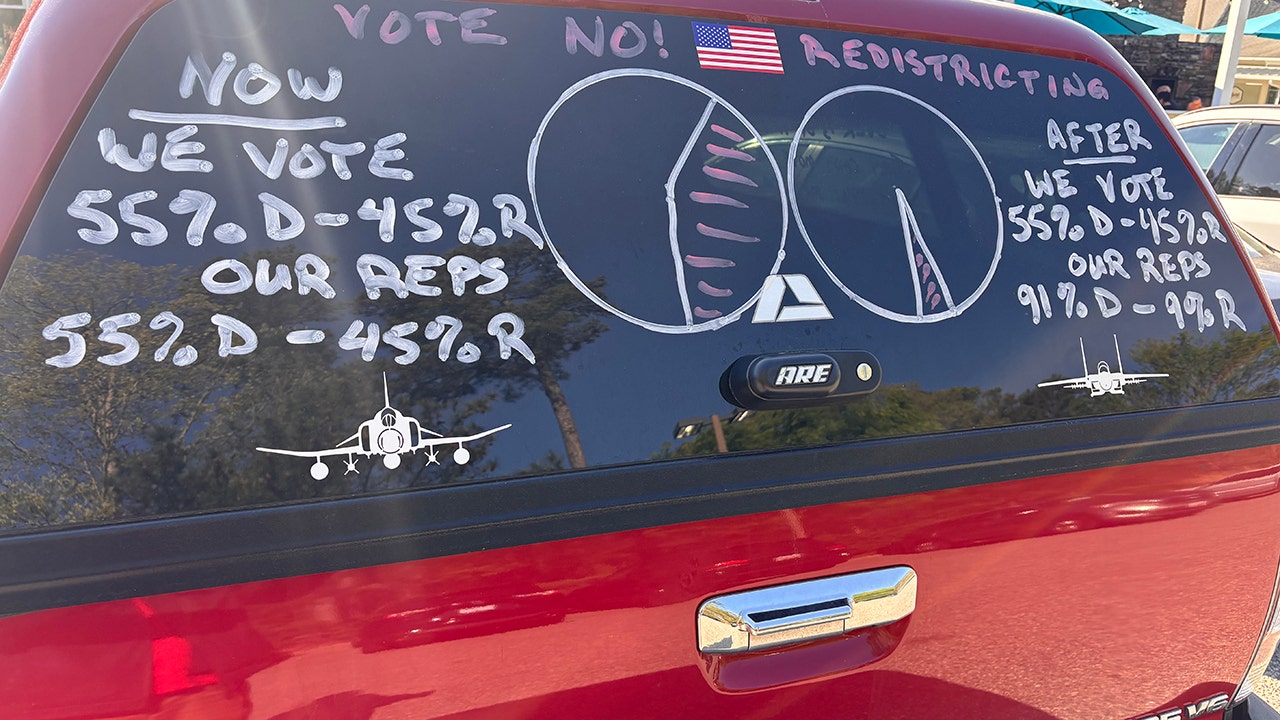
Gerrymandering quietly rewrites who gets heard in American politics, not by changing minds but by drawing lines that decide which votes count. This piece walks through how the map becomes a weapon, why it matters to ordinary voters, and how data and strategy have sharpened the practice into a tool that bends representation. It points out examples where the popular vote and legislative outcomes diverged, and it challenges the idea that elections are only about who makes the better case.
The word gerrymandering sounds technical and distant, and that’s part of the problem. People hear it and tune out, thinking it’s for politicos and wonks. In reality, it’s a basic choice about who gets to determine how your vote is grouped and counted.
Every decade the census resets how districts are drawn, and that’s necessary because populations shift. But who draws those lines matters more than most voters realize. When politicians control the map, the map stops reflecting citizens and starts shaping outcomes.
The mechanics are simple and brutal: you can pack opposing voters into a few districts to limit their influence, or you can crack them across many districts so they can’t win anywhere. Same people, same preferences, different boundaries, different winners. That shift in structure can lock in power without changing a single vote.
The practice isn’t new. The term comes from 1812 and a cartoonish map approved by Elbridge Gerry that critics called a “Gerry-mander.” People understood even then that lines could be drawn with intent, not neutrality. What has changed is the precision and data behind the job.
Modern mapmakers use neighborhood-level data to predict behavior and craft districts that look competitive but actually aren’t. This is no longer crude gerrymandering; it’s calibrated. Maps can be engineered to produce outcomes that keep incumbents safe and mute competition.
That calibration shrinks the incentive to persuade or listen across the aisle. If a seat is engineered to be safe, politicians don’t need to appeal to a broad electorate. They only need to satisfy a narrow base, which fuels polarization and erodes the habit of compromise. The result is less incentive to build common ground.
Critics on both sides call out abuses when they see them. “We have to end the practice of drawing our congressional districts so that politicians can pick their voters, and not the other way around.” At the same time, Republicans point out grotesque maps when they find them. “Look at Virginia’s map. How grotesque it is.” Different parties, same alarm about power concentrated in map drawers.
Once both sides normalize the tactic, it becomes a structural problem, not just a partisan one. Power concentrates in the hands of whoever draws the lines, and voters gradually lose clout. Representation frays when votes no longer translate proportionally into seats or influence.
You can see the consequences in real elections. In Wisconsin, Democrats won statewide majorities and two statewide contests in 2012 yet ended up with just 39 of 99 Assembly seats. In 2018 Democratic Assembly candidates took 52% of the total vote but secured only 35% of the seats. Those aren’t abstract numbers; they show how a map can flip the picture of who’s actually running the show.
When districts are engineered to be safe, competition dries up and fewer voices matter. Voter disengagement follows because people feel their ballots don’t translate into power, or they retreat into their tribe where their voice is guaranteed. That pattern corrodes trust in institutions and in the idea that elections are about the exchange of ideas.
The problem isn’t only tactical. It’s foundational. If representatives can choose their voters before ballots are cast, the whole premise of accountability weakens. A system designed to protect outcomes will eventually stop needing input, not because the public chose that path, but because the rules were bent to favor incumbents.
Fixing this won’t be easy, and it won’t be purely partisan. It requires public attention to the rules, not just the candidates. It demands transparency in mapmaking and public scrutiny of how lines are drawn. Otherwise the debate about who wins will keep missing the question of who set the stage to begin with.
Gerrymandering may wear a technical mask, but it signals a simple fact: the playing field can be shaped before voters ever show up. Once you see maps as a tool of power, the rest of the political conversation shifts. That realization matters whether you lean left or right, because the core issue is about whether voters choose officials or officials pick voters.
