
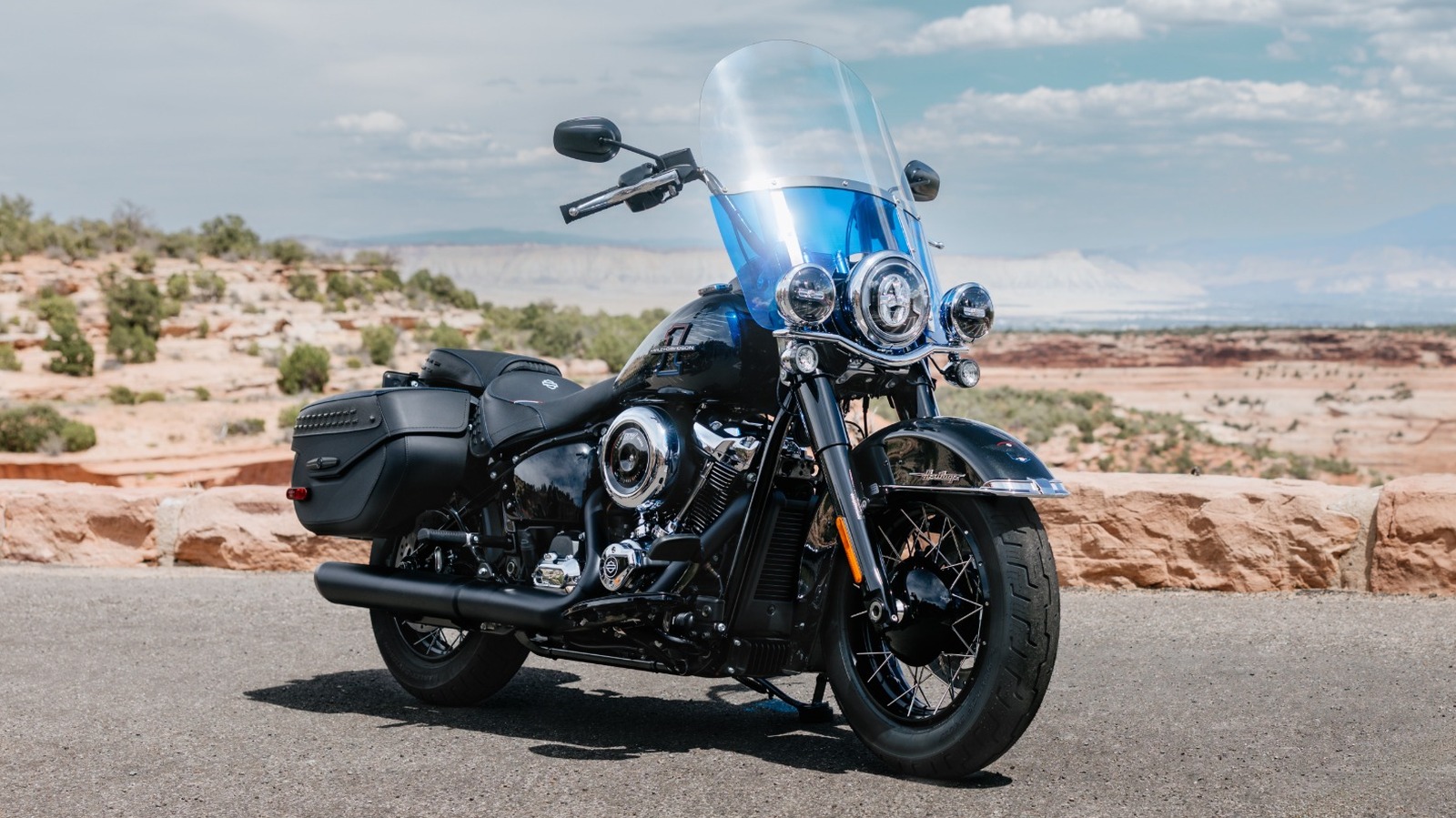
Harley-Davidson riders often ask a simple question: which tire maker supplies those hulking cruisers from the factory? This article answers that directly and explains why that supplier fits Harley’s needs, while touching on alternatives and what riders should consider when replacing tires. You’ll get a clear look at the OEM choice and practical points to help you keep your bike rolling safely and confidently.
For decades, Harley-Davidson has leaned on Dunlop as its primary original equipment tire supplier for many of its models. That partnership reflects long-standing engineering ties and a focus on meeting the unique demands of heavy, torque-rich motorcycles. While not every model or year uses the exact same rubber, Dunlop has been the go-to name for a large slice of Harley’s lineup.
The reason is simple: Harley bikes need tires built for mass, torque, and long rides, not lap times on a racetrack. Dunlop designs its motorcycle tires with carcass construction, load ratings, and compounds tuned to those priorities, providing stability under heavy loads and predictable handling. That engineering match makes the brand a natural fit for cruisers, baggers, and touring machines.
Tire design for Harley applications focuses on a steady contact patch and a profile that complements the bike’s geometry, so lean-in and straight-line stability both feel right. Tread patterns prioritize water evacuation and wear resistance over outright grip, because most Harley owners ride long distances and need consistent performance across seasons. In short, the tires are made to be durable, comfortable, and confidence-inspiring when you’re hauling luggage or two-up.
On the road that balance shows up as steady high-speed stability, good resistance to irregular wear, and competent wet-weather performance for a heavy bike. You trade some cornering aggression for longevity and load-carrying ability, and for most Harley riders that’s exactly the point. Dunlop’s lineup aimed at cruiser and touring segments emphasizes those characteristics rather than chasing sportbike traction numbers.
That said, OEM supply can vary by model year and geographic market, so it’s not absolute across every Harley out there. Some years and specific bikes may ship with other brands or different Dunlop models depending on production runs and engineering tweaks. If you’re buying used or checking what’s on your bike now, confirming the exact tire spec is a smart move before you replace them.
When it comes time to swap tires, riders face a choice between sticking with the OEM-spec tire or stepping to an aftermarket option that suits a different riding style. Many owners stay with the factory recommendation for peace of mind and matched performance, while others pick high-mileage, performance, or comfort-focused alternatives depending on their priorities. Whatever you choose, make sure load ratings, speed ratings, and tire size match the bike’s requirements; those specs aren’t optional.
Maintenance matters more than brand loyalty. Proper tire pressure, routine inspections for cuts and cupping, and watching tread depth will keep any tire — OEM or aftermarket — doing its job. Heavy bikes are less forgiving of neglected tires, so replace them when wear reaches the threshold or if you notice sidewall damage, uneven wear, or a change in handling.
If you want the simplest path, Dunlop has been the familiar, factory-backed choice for many Harley models because its products are engineered with the bike’s weight and character in mind. If you’re chasing a specific feel or longer wear, the market has plenty of options, but match the tire to the bike, the load, and how you actually ride. Make the choice based on safety and real-world use, not just brand cachet, and your Harley will reward you with miles of confident cruising.
