
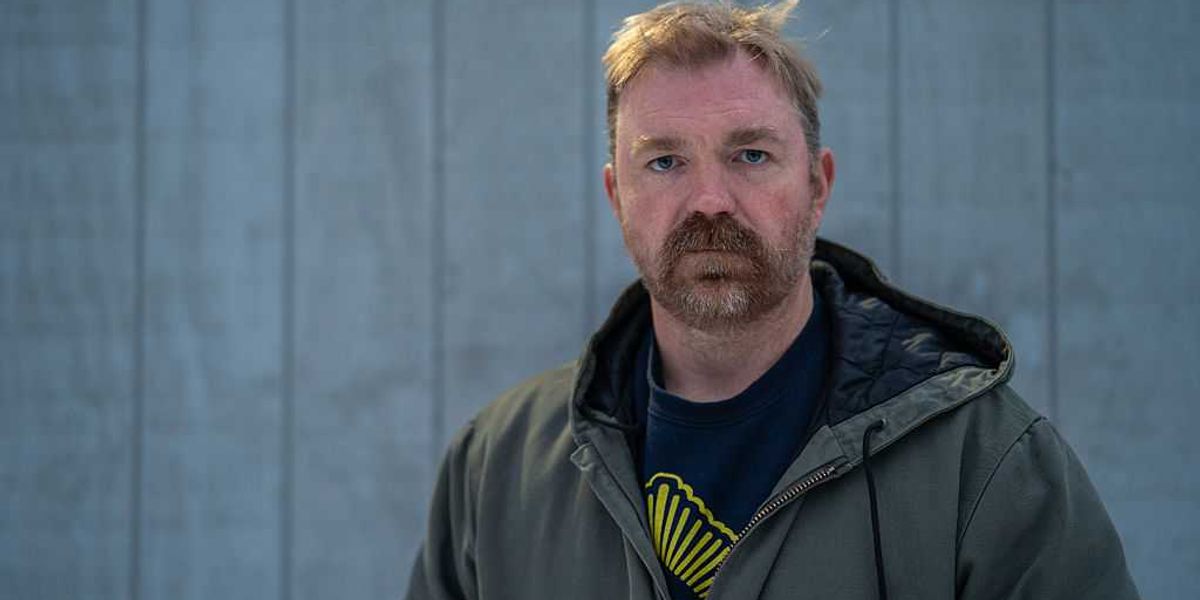
The Maine Democratic Senate race has taken a messy turn: their presumptive nominee is a controversial figure with a checkered past that Democrats are now awkwardly defending, and the fallout is already shaping how Republicans and voters will view the general election fight with Susan Collins.
The party’s sudden embrace of Graham Platner feels less like enthusiasm and more like damage control after Gov. Janet Mills stepped aside, leaving a nominee who brings baggage beyond the usual campaign scrapes. From harsh online comments to an alleged Nazi tattoo, the controversies have pushed substance aside and focused attention on character. Republicans smell opportunity and are sharpening their attacks, ready to make character the central test for Maine voters.
“I think this is a democratic rebellion against Chuck Schumer and the Democratic Senate establishment,” Democratic strategist Len Foxwell told Blaze News. That line nails the core: rank-and-file frustration with leadership has overridden basic vetting instincts, and the result is a candidate who excites the base while worrying moderates. The party is betting anger and anti-establishment energy will outweigh the red flags.
The story is loaded with awkward defenses. Democratic Sen. Chris Van Hollen of Maryland said in an interview with Punchbowl, “He’s been very clear about the fact that he went into combat on behalf of the United States,” and he argued for second chances after PTSD struggles. That argument carries weight for many, but it does not erase a pattern of troubling public statements that opponents will exploit nonstop.
Platner presented himself as a blue-collar veteran, but his rhetoric and past social posts are now the headline. A sequence of scandals has overshadowed his working-class appeal, and the visibility of those scandals makes simple forgiveness a hard sell to independent voters. Republicans will frame the race as a choice between steady governance and risky rhetoric, and Susan Collins will be ready to tie each controversy to broader concerns about judgment.
https://x.com/NRSC/status/2049841114690011197
Schumer has pivoted into a reluctant endorsement, signaling the party will coalesce even if the coalition is shaky. “After years of allowing Trump’s abuses of power, Senator Collins has never been more vulnerable and we will work with the presumptive Democratic nominee Graham Platner to defeat her,” Schumer in a joint statement with Democratic Sen. Kirsten Gillibrand of New York. That kind of backing reflects strategic necessity, not confidence that Platner is the safest ticket in November.
Some progressives are openly debating whether the base is ready to prioritize messaging over optics. “I think we’re entering a new era,” Mockler . “And we’ll see what the base wants. We’ll see who wins when the actual election happens. But for the past decade, Democrats have been unified by our opposition to Donald Trump, and now, Graham Platner has a forward-looking message.” That view makes electoral sense for activists but leaves swing voters asking for stability.
Len Foxwell returned to the metaphor, telling the story plainly: “He is a blind date for the Democratic Party.” The phrase captures how risky this looks from the outside: a candidate with raw appeal to some but serious negatives that can be weaponized in ads and debates. Foxwell himself admitted Platner has “a lot of baggage,” and that honesty underlines the peril Democrats are accepting in hopes of flipping a vulnerable Republican seat.
For Republican strategists, this is a gift wrapped in controversy. The playbook is straightforward: make the race about judgment, highlight the scandals, and force Democrats to defend choices that feel tone-deaf to average voters. If Republicans can keep the argument focused on character and competence, they can shrink Platner’s upside and make Collins’s incumbency look like safer, steadier leadership.
The Maine contest is now a test of priorities: will Democrats rally behind raw energy and anti-establishment fury, or will independents demand a candidate who looks and acts like a steady senator? Either way, this race will be fought hard, and Republicans are preparing to turn every controversy into a reason for voters to stick with experience over risk.
