
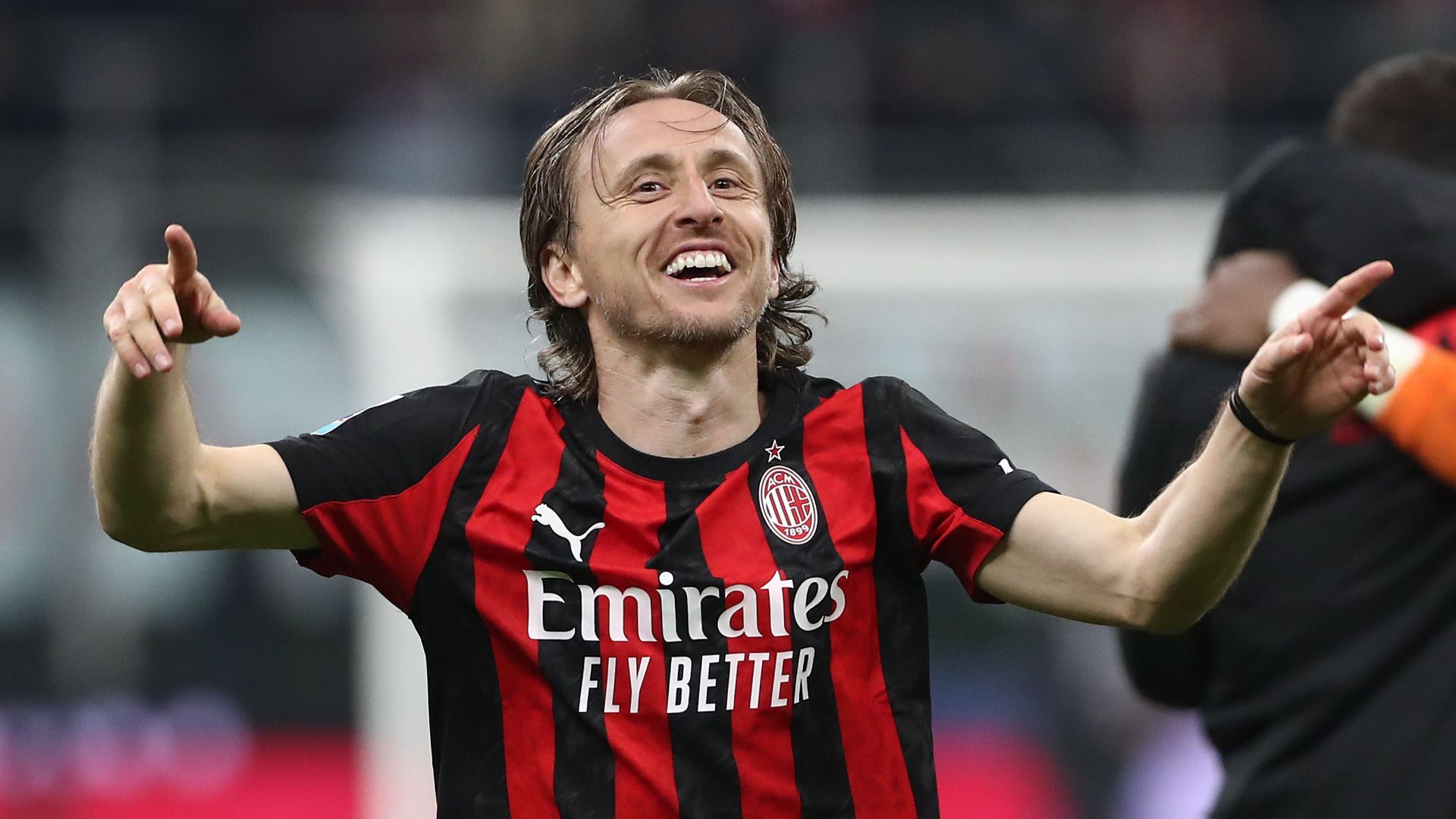
Luka Modric faces a pivotal choice about his playing future as he prepares to captain Croatia at the upcoming World Cup, weighing personal goals against physical limits and team needs. This article looks at the factors shaping that decision, the role he is expected to play on and off the pitch, and what his next steps could mean for Croatia’s chances. It lays out the context around Modric’s career stage without claiming new facts beyond widely known realities.
Luka Modric is one of the most experienced midfielders in world football, and his presence gives Croatia a steadying hand in high-pressure moments. At top tournaments, veteran leadership often matters as much as goals or tactics, and Modric’s calm on the ball is a resource few teams can match. As the World Cup approaches, his fitness and focus are under scrutiny from fans, media, and his own coaching staff alike.
Age and workload are unavoidable parts of this conversation, since long careers bring their own toll. Players at Modric’s stage often juggle recovery routines, reduced minutes, and selective appearances to stay effective when it matters. That management can preserve influence without demanding the full physical grind of every match.
Another factor is the balance between club and country responsibilities; modern schedules are relentless and choices made for one side often affect the other. Modric’s club commitments and their expectations will likely influence any decision about international play beyond the World Cup. The practicalities of travel, training, and match intensity shape how veterans decide to continue or step back.
Leadership goes beyond minutes on the pitch, and Modric’s influence in the locker room carries weight when building a tournament mindset. Younger players often look to established figures for cues on professionalism and resilience during a long tournament. Even if his playing time becomes more limited, his role as a mentor could be central to Croatia’s identity and preparation.
Public expectation also plays its part, because narratives around star players can intensify pressure on any decision. Fans love a hero’s farewell story, but they also want pragmatic choices that help the team win. Modric must navigate those stories while focusing on what will best serve Croatia’s competitive goals.
Performance metrics and medical assessments will be central to any final call, and coaching staff typically consult both data and instinct in these moments. Minutes played, recovery markers, and training feedback feed into a realistic picture of readiness for tournament play. Coaches then translate that into a plan that balances tactical needs with the individual athlete’s wellbeing.
There are also long-term considerations, since many players look beyond active competition toward careers in coaching, punditry, or other football roles. A measured exit can preserve reputation and open doors to meaningful next steps off the pitch. Modric’s standing in the sport means his choices could influence younger Croatians thinking about their own long-term paths.
Team tactics are another piece of the puzzle, because a coach may tweak formations to maximize what Modric still offers without overexposing him physically. Strategic use of substitutions and rotation can allow his vision and experience to be deployed at decisive moments. That approach has worked for many squads who lean on older playmakers to steer critical phases of matches.
Emotion and legacy cannot be ignored, since playing in a World Cup while contemplating retirement or a reduced role is both personal and symbolic. Players often want to leave on their own terms, and finishing a career with a strong tournament can feel like a fitting capstone. For Modric, the decision will reflect a mix of competitive hunger and a realistic appraisal of what he can deliver.
The national setup and the coach’s long-term plan will shape what comes next for Croatia beyond any individual choice. If Modric steps back, the transition plan for midfield leadership must be clear so the team does not lose momentum. If he continues, managing his workload smartly will be essential to preserving the collective strength of the squad.
Ultimately, this is a complex, human decision that blends physical facts, tactical logic, and deep personal values. Croatia’s road at the World Cup will be influenced by how that decision is handled, whether Modric remains the on-field engine or becomes a guiding presence from the touchline. The coming weeks will likely reveal a course that balances ambition with realism and keeps the national team’s aims at the center.
