
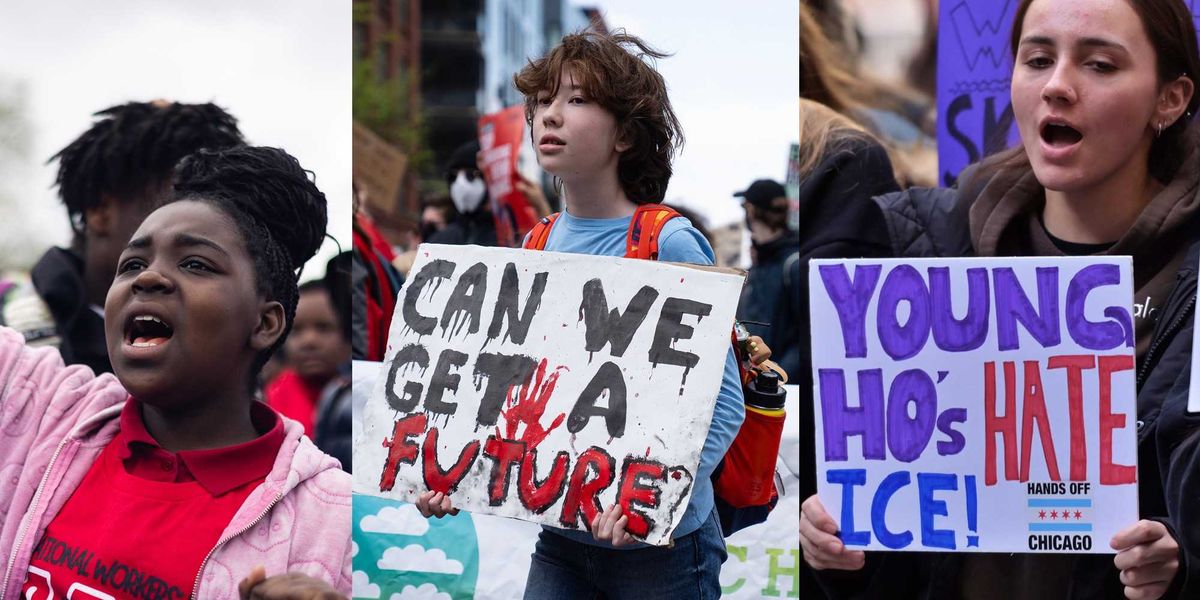
The Chicago Teachers Union and Chicago Public Schools struck a deal to bus students to May Day events as “field trips,” a compromise that left parents and conservative observers frustrated about lost classroom time and the mixing of politics with schooling. Union leaders touted solidarity and worker history while parents warned about safety and academic setbacks. The arrangement includes promises of no retaliation for participants and has reignited questions about who controls school priorities and when parents should be consulted.
The agreement grew out of a push by the union for a full day off so staff and students could join May Day rallies, but the final plan calls for organized busing instead. From a Republican perspective, that shift looks less like accommodation and more like a way to keep activism inside the school system while claiming plausible deniability. Parents across the district say they never signed up for their children to be part of political demonstrations during school hours.
The union framed the move as supporting labor and youth activism, and union allies made that message loud and clear. “The fight for justice, dignity, respect, and the blood, sweat, and tears that were shed and the justice that workers endured to sacrifice,” said Don Villar, the secretary and treasurer of the Chicago Federation of Labor. That kind of rhetoric plays well at rallies, but it raises questions when taxpayer-funded transportation and classroom time are on the table.
Retired union member Queen Weiner was on hand and spoke bluntly about generational change and activism. ‘The future belongs to the youth, and so they’re going to have to pick up the mantle and take it up,’ Queen Weiner said. “I’ve been fighting in the struggle for a long time,” Weiner said. “And, you know, the future belongs to the youth, and so they’re going to have to pick up the mantle and take it up.”
Some parents made their frustration clear in strong terms about the academic cost of these decisions. “We are already seeing kids all over the district that are not being pushed to their standards. Taking another day from instruction for them is not beneficial for the kids,” one parent of a CPS student said. That complaint lines up with broader conservative concerns that public schools should focus on basic skills and academic progress before participating in political demonstrations.
Beyond academics, safety was another flashpoint for families who worried about exposing children to large public gatherings. Critics called the protests a “high-risk situation” for students and argued that parental input was sidelined in the rush to mobilize. School leaders insist they will map routes and supervise students, but for many parents the promise of oversight is not a substitute for consent.
Organizers announced that protesters would gather in Union Park and later march to Daley Plaza, keeping the schedule simple but public. The move ensures visibility for labor causes and brings younger people into the streets as part of broader May Day actions. For conservatives watching, it looks like an organized push to fuse school-run activities with left-wing organizing at scale.
Union negotiators say they won protections against retaliation for staff and students who participate, a concession that reassures activists but worries others about staff neutrality. When employees and students are explicitly protected for participating in political events, it blurs the line between civic learning and partisan activism. Parents who favor accountability and transparency want clear opt-in procedures, not automatic enrollment through school channels.
Community groups and nonprofits noted the backlash and the tension between civic engagement and classroom obligations. The Kids First Chicago nonprofit reported parents upset about lost instruction time and the lack of consultation, underscoring a growing demand for parental voice in school decisions. Republicans argue that schools should seek clear parental permission whenever school-run activities intersect with political advocacy.
As the district moves forward with its plan, expect more debate over where the line should be drawn between education and activism. Lawmakers and school board members will hear from parents on both sides, but the conservative view is clear: public schools should prioritize instruction and respect family authority over political mobilization. The controversy over busing students to May Day rallies is likely to become a test case for that argument.
