
This piece examines the killing of 15-year-old Jaden Pierre and uses that tragedy to argue that decades of “white guilt” have eroded moral authority, softened standards, and produced policies that fail vulnerable kids. It follows the facts of the event, looks at how social media-fueled gatherings can spiral into violence, and criticizes the cultural and policy choices that let gang violence and absent accountability take root. The tone is direct and unapologetic, insisting on discipline, family, and consequences as the path to safer communities for every child.
On April 16, 2026, 15-year-old Jaden Pierre organized what was meant to be a water balloon fight in a Queens park. He promoted the event on social platforms and around 300 teens showed up for a spring afternoon of fun. Instead of laughter, a crowd watched a brutal assault and a killing unfold.
Jaden’s father dropped him off with the words, “I’ll pick you up in three hours.” Less than three hours later, Jaden was cornered, beaten, and shot at point-blank range while dozens filmed. The video that circulated made a stark point: many watched, almost none stepped in.
Authorities describe this as the classic “teen takeover” scenario, where online invites become real-life chaos and violence. An 18-year-old allegedly involved had prior gang ties and a feud with Jaden, and the confrontation turned deadly. How is a 15-year-old supposed to predict that organizing a water fight would cost him his life?
Community leaders called for more programs and ways to keep kids occupied after school. Parks and recreational programs already exist in many neighborhoods, yet they did not stop this death from occurring at a public space. The truth is programs alone will not fix broken norms at home and in the streets.
White guilt, as the term is used here, refers to a cultural posture that often avoids holding bad actors accountable for fear of being labeled racist. That fear has reshaped policy, softened discipline, and turned standards into accusations when they are enforced. Instead of enforcing universal expectations, institutions too often lower the bar to avoid controversy.
That shift has real victims. When standards weaken and consequences fade, young people lose the guidance and boundaries that teach responsibility. Responsible adults, including parents and civic leaders, must insist on accountability, not coddle withdrawal from hard truths. Kids need clear rules and consistent consequences, not excuses.
Consider the social breakdown that follows from these choices: higher rates of violent crime, families stretched thin by single parenting, and communities where gang culture fills the void. The numbers are stark in many cities, and policy choices over decades have mattered. A focus on cultural redemption for some has not equated to safer streets for all.
Policy changes that prioritize identity and guilt over universal standards of behavior have contributed to this vacuum. Diversity bureaucracies and punitive skepticism toward discipline have made it fashionable to interpret failure as systemic insult rather than individual choices that need correction. That mentality risks treating children as fragile and exempt from basic expectations.
When violence is racialized only when a White perpetrator is involved, too many tragedies get attention only sporadically. The killing of a Black boy by another Black teen does not fit the white-guilt script, so it slides into silence or gets labeled a “but there’s no easy answer” problem. Meanwhile grieving families get little in the way of national outrage or policy action that actually prevents future killings.
What would real change look like? It starts with restoring moral authority in schools, neighborhoods, and homes. Fathers and mothers, along with mentors and civic institutions, must demand behavior and offer support that gives young people a sense of purpose, not entitlement. Standards, structure, and consequences reduce violence; they do not make children lesser human beings.
Anyone who cares about saving kids from street violence should be uncomfortable with policies that confuse compassion with lowered expectations. Building solutions on identity and collective guilt instead of human need keeps us trapped in cycles of dependency and decline. When policies ask “What do we owe this group?” before “What do people need to thrive?” we get more tragedies like Jaden’s.
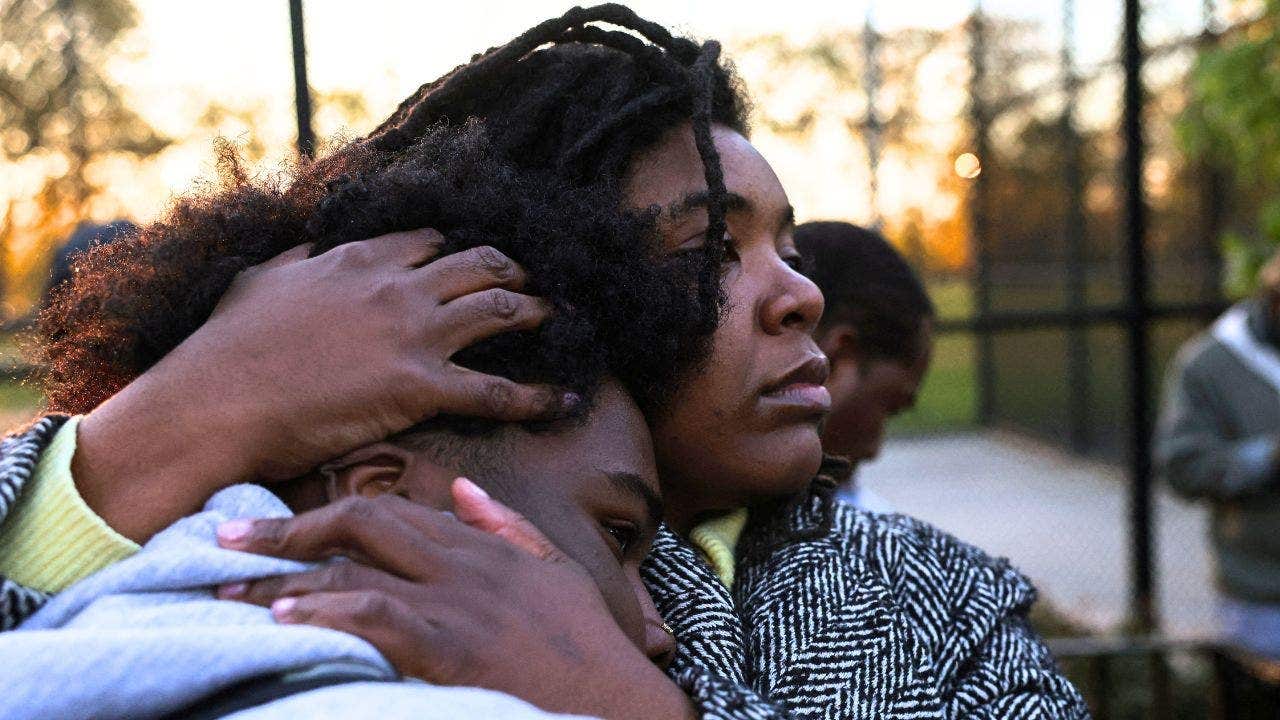
At a vigil, Jaden’s father wept, “I love you, Jaden… with everything in me.” His grief is the human core of this story, and that pain deserves answers that work. To protect future kids, we must restore expectations, back tough consequences where warranted, and rebuild families and institutions that teach responsibility and purpose.
