
Tires are the only thing between your car and the road, so understanding the “five-year rule” matters. This article explains what that rule means, how tire age affects safety, how to read the tire date code, and practical steps to inspect and store tires. You’ll get clear guidance on when to replace tires, what to watch for, and how climate and use change the equation. Keep your tires honest and your safety margin intact.
The five-year rule is a simple guideline: many people choose to replace tires once they hit five years old, even if tread looks fine. It’s conservative but practical, especially for drivers who face heat, sun, or heavy loads. Think of it as a safety-first cutoff rather than a hard engineering limit.
Different tire makers and safety groups don’t all agree on a single magic number. Several manufacturers suggest inspecting tires closely after five years and replacing them by six to ten years depending on conditions. That gap exists because materials, use patterns, and storage make a big difference to rubber longevity.
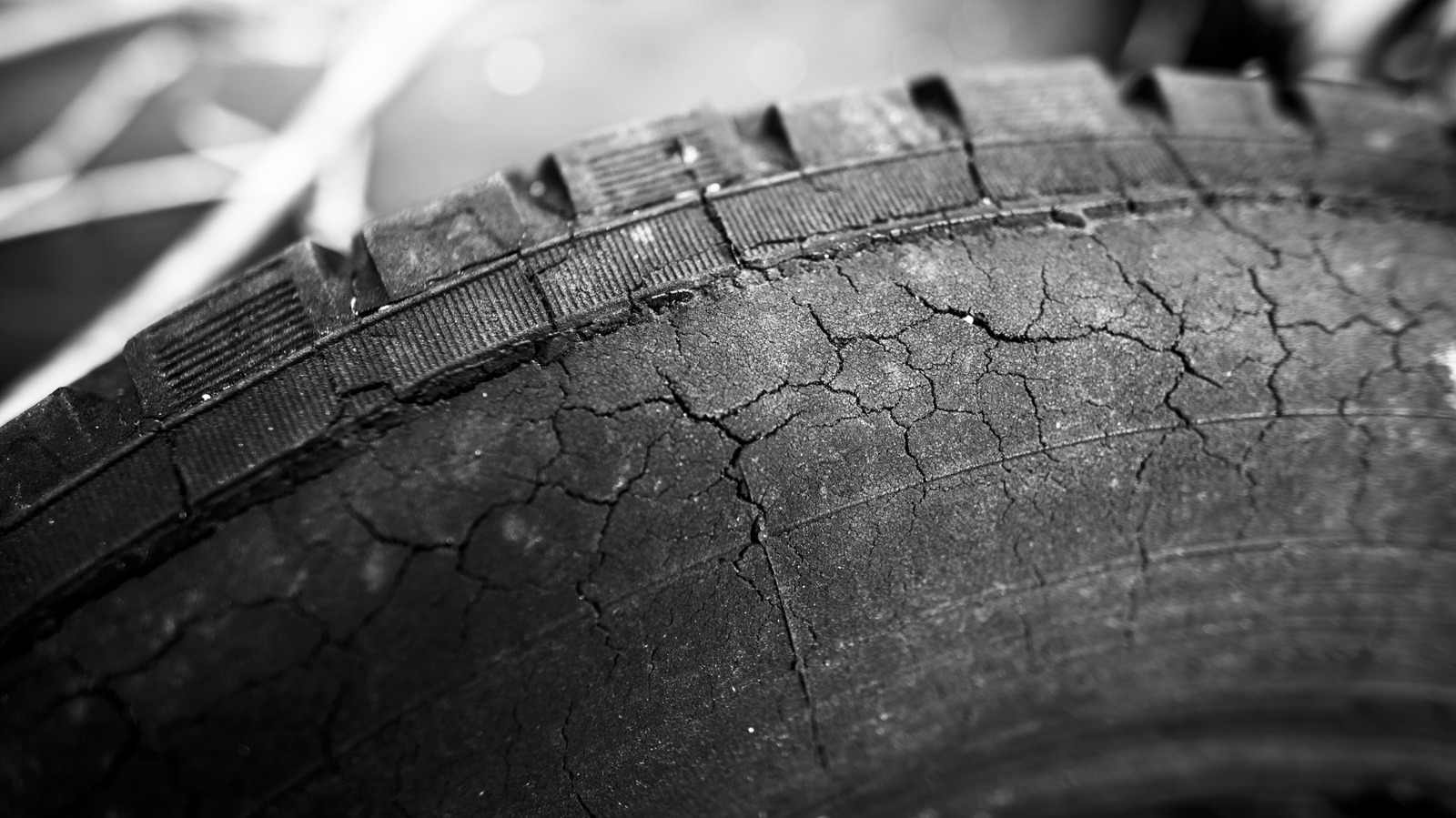
Age matters because rubber changes over time; it hardens, loses elasticity, and develops cracks that aren’t always obvious at first glance. Sidewall cracking, tiny fissures between treads, and internal bonding failures can happen even with low mileage. Those changes increase the risk of blowouts or tread separation, especially at highway speeds.
To know a tire’s age, read the DOT code stamped on the sidewall: the last four digits tell week and year of manufacture. For example, 1219 means week 12 of 2019. That number is the most reliable way to judge age, so make checking it part of your routine before buying used tires or accepting a spare from a drawer.
Maintenance slows the clock on premature problems but doesn’t stop aging entirely. Keep tires properly inflated, rotate them regularly, and align suspension components when needed. Underinflation, overloads, and neglect speed up deterioration and can turn a five-year-old tire into a safety issue sooner than expected.
Environment plays a huge role: hot, sunny climates and salty coastal air accelerate rubber breakdown, while cool, shaded storage reduces it. If your car sits outside in strong sun or you drive on rough roads a lot, treat the five-year mark as a firmer deadline. Indoor, climate-controlled storage and careful use can stretch a tire’s safe service life a bit longer.
Inspect tires often and look for visual warning signs: cracks, bulges, exposed cords, or sudden tread separation. Even small bulges or deep cuts require immediate professional attention. If you can’t see clear damage but the tires are old, err on the side of replacement rather than waiting for a dramatic failure.
Don’t forget the spare. Spares age too and are often overlooked until they’re needed. Check the DOT date on the spare and include it in your replacement planning so you aren’t left with an unusable backup when a flat happens on the highway.
When in doubt, consult a tire professional who can assess internal condition and give a recommendation based on your driving and climate. Replace tires that show age-related damage or that cross the comfort line for you personally, whether that’s five, six, or eight years. Staying proactive about tire age keeps control when it matters most.
