
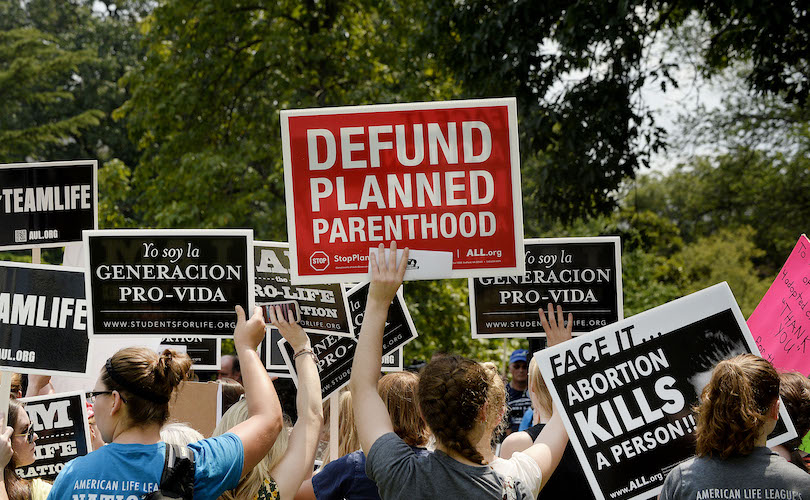
Newly surfaced documents suggest the Biden administration used the code word ‘Benghazi’ to hide potentially improper COVID-era loans to Planned Parenthood, prompting sharp criticism from pro-life leaders and Republicans who say this smells like a deliberate cover-up that demands accountability from Congress.
The documents paint a picture of cautious language and obscure labels that appear designed to keep public scrutiny at bay. Using a loaded political name like ‘Benghazi’ as a privacy shield is both ironic and alarming, and it raises clear questions about intent and transparency. Conservatives see this as more than sloppy bookkeeping; they see it as a political maneuver to protect an organization under fire.
On Capitol Hill, Republicans are framing these revelations as proof that federal money and emergency programs were steered in ways the public never authorized. The whisper of secret codes suggests officials knew they were doing something sensitive, which makes oversight and investigation a necessity. When government programs lack basic transparency, accountability is the first casualty and taxpayers are left footing the bill for backroom decisions.
Pro-life groups and conservative lawmakers are calling hard for action, insisting that Congress must investigate the full scope of these loans and whether they violated rules or ethics. They argue that if taxpayer-backed relief was funneled to entities that perform politically charged or morally contested services, Congress has a duty to respond. This isn’t merely about politics; it’s about preserving proper stewardship of emergency funds and restoring public trust.
The use of code words in official documentation should trigger alarms for any citizen who expects their government to be honest and straightforward. Democrats promised transparency and unity during the emergency, but coded entries and opaque approvals look more like protectionism than governance. Republicans say this case is emblematic of a broader pattern where allies are shielded and dissenting taxpayers are sidelined.
Investigators will want to know who authorized the loans, who approved the language, and whether internal counsel advised the use of obfuscation. They will also probe whether similar tactics were used elsewhere in pandemic relief efforts and if internal objections were suppressed. For conservatives, this is a test of whether oversight mechanisms still function when partisan interests are at stake.
Congressional hearings would force officials to answer under oath about why such a loaded term was chosen and whether that choice was intended to obscure recipients from watchdogs and the public. Republicans will likely press for document production, sworn testimony, and referrals if evidence suggests laws were broken. The issue is straightforward: the public deserves clarity on how emergency taxpayer funds were spent and whether standard safeguards were bypassed.
The political stakes are real, and the optics are poor for an administration that campaigned on openness and integrity. If elected officials allowed or enabled a scheme that hid loans with code words, voters will take notice at the ballot box. Conservative voters want assurances that taxpayer dollars aren’t being diverted to organizations with controversial missions without clear, lawful justification.
Now is the moment for Congress to act with urgency and rigor, to demand full disclosure and to use every institutional tool to get to the bottom of these loans. Lawmakers should pursue subpoenas where necessary and ensure that no document or witness remains beyond reach. Republicans see this as part of a broader effort to restore honesty and proper oversight in federal spending, not a partisan witch hunt but a defense of accountability and taxpayer rights.
