
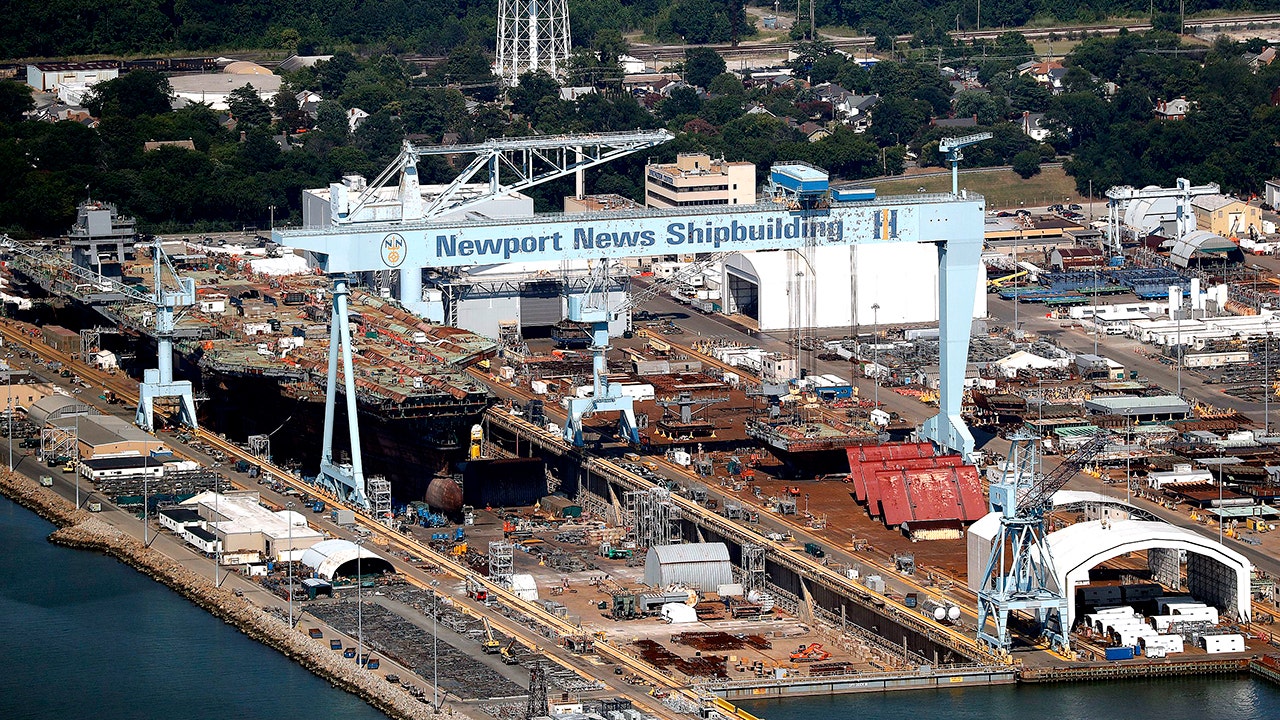
America’s merchant fleet and shipbuilding base have eroded while China surged ahead, and that shift threatens our economy and national defense; rebuilding American shipyards, crews and supply chains is a clear, urgent Republican priority and the SHIPS for America Act paired with the president’s Maritime Action Plan offers a concrete path to restore U.S. maritime strength.
For much of the last century the United States led the world at sea, building the fleets and yards that powered global trade and backed our military might. Over recent decades those shipyards dwindled, good-paying industrial jobs disappeared and vital skills faded away. That decline didn’t happen by accident, it happened because we stopped treating American shipbuilding as a strategic industry.
Today, China produces the vast majority of the world’s new ships and holds the largest commercial fleet, dwarfing what remains of our own capacity. In 2024 the United States built only five merchant vessels while China built roughly 1,400, and Beijing now fields far more naval hulls than we do. Those stark numbers matter because control of the seas equals leverage over trade, supply chains and national security.
When a rival controls critical shipping and component supply, they can choke off goods, raise prices and cripple industry on short notice. On April 3, 2025 China leveraged its virtual industrial shipping monopoly and prevented rare earth exports to the U.S., a move that interrupted production lines and reminded everyone how fragile our supply chains have become. Dependence on foreign-built ships and foreign suppliers is not an abstract weakness — it is a clear, provable vulnerability.
Rebuilding maritime capacity means more than piling steel into a hull; it means restoring an industrial ecosystem that makes engines, electronics, navigation gear and every part that goes into a modern vessel. The SHIPS for America Act sets a ten-year goal to add 250 U.S.-flagged international vessels and pairs that target with investments in private shipyards for both construction and repair. Those are measurable, practical steps that translate directly into jobs and resilience.
President Donald Trump’s Maritime Action Plan complements this by proposing steady, long-term funding and cutting needless red tape so yards can plan, hire and deliver on schedule. Stable procurement and predictable policy are what revive heavy industry — contractors need to know the work will be there for years, not just the next election cycle. That kind of certainty brings private investment back to places that once hummed with manufacturing and craftsmanship.
Training and workforce development are central to the plan; modern shipbuilding needs welders, technicians, electricians and engineers who can work to tight tolerances and strict safety standards. The SHIPS for America Act funds programs to recruit and train Americans for these careers, ensuring the jobs stay in this country. That means families in coastal towns and inland communities can count on steady employment that supports long-term economic stability.
Reinvesting in shipyards also tightens supply chains and reduces reliance on foreign vendors for critical components, from steel to semiconductors to navigation systems. A robust domestic industrial base makes it harder for adversaries to weaponize commerce against us. Every part made here is another node of resilience that keeps our economy and military ready.
From Gulf ports to West Coast yards, the legislation envisions modernized facilities capable of turning out both commercial and naval vessels, and it funds repairs so the existing fleet can remain seaworthy. Those investments bring work to regions that have suffered industrial decline and create multiplier effects across manufacturing, shipping and logistics. Private shipyards and public policy working together can rebuild an American maritime advantage.
Critics will talk about cost, but asking whether we can afford a healthy maritime sector misses the point — can we afford not to? A weak merchant fleet forces reliance on foreign partners at a time when great power competition is intensifying in the Pacific and beyond. Strengthening shipbuilding is an insurance policy for commerce and a force multiplier for national defense.
The SHIPS for America Act pairs ambition with accountability: clear fleet targets, workforce training, shore-up for shipyards and a Strategic Commercial Fleet Program to fund continuity. This is not about nostalgia, it’s about strategy — about ensuring that when America needs ships, sailors and supply chains, they are American-made and American-crewed. That’s the pragmatic, jobs-first approach voters expect.
There is growing consensus across party lines and among labor and industry that rebuilding maritime capacity is smart policy, but Republicans are pushing hard to turn agreement into action. It’s time to put money into steel, skills and shipyards so the United States can regain the edge it once held on the world’s oceans. Let’s rebuild American shipbuilding, protect our supply chains and create good-paying jobs that last.
SEN WICKER: ENDING CHINA’S DRONE DOMINANCE WITH A MADE-IN-AMERICA REVIVAL
REP. BRIAN MAST: DEMOCRATS’ 43-DAY SHUTDOWN WAS NOT A STRATEGY — IT WAS A DISASTER
