
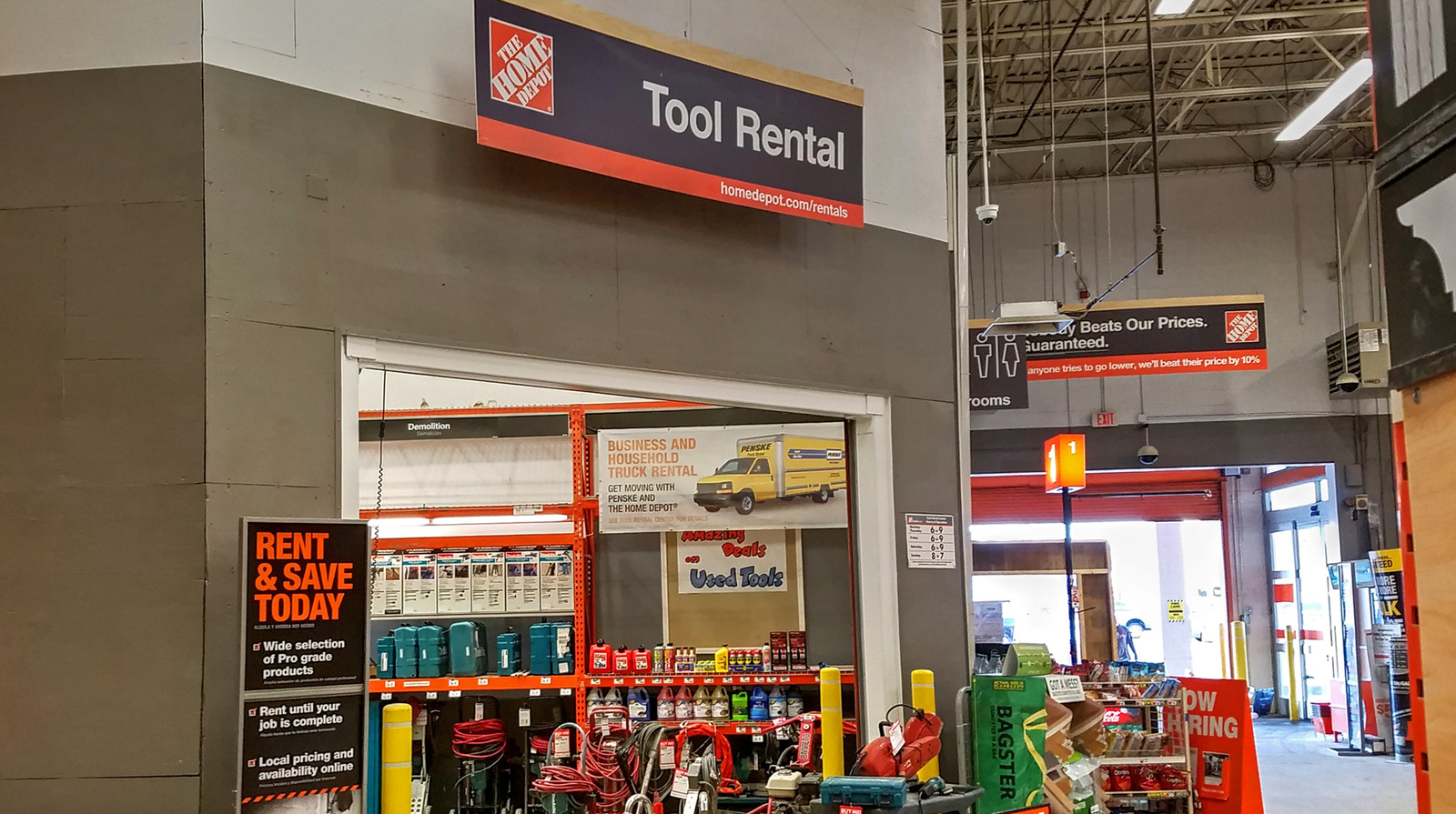
This piece explains why Home Depot rentals can be smarter than buying for many DIY and pro projects, which kinds of tools make the most sense to rent, how to compare costs, and practical tips to get the best value and avoid surprises when you pick up or schedule a rental.
When you face a single big job or an occasional specialty task, buying a tool often costs more than it’s worth. Home Depot rentals let you access commercial-grade equipment without the upfront hit, long-term storage problem, or the hassle of maintenance. For anyone who values space and efficiency, renting turns a bulky purchase into a simple, one-time transaction.
Some tools become money pits if you buy them and then let them collect dust. Tile saws, concrete mixers, jackhammers, and trenchers are expensive and awkward to store, and parts can need attention you didn’t count on. Renting gives you a machine in peak condition for the time you need it, and the company handles the upkeep between jobs, which keeps you focused on the work instead of repairs.
Heavy equipment like mini-skid steers and compact excavators are another clear win for rentals. These machines are costly to purchase and even more demanding to insure and service, so renting shifts those responsibilities elsewhere. If your project is a one-off landscaping, driveway, or foundation task, a short-term rental will usually beat the total cost of ownership.
Smaller tools can be renters’ gold too when they’re used infrequently. Power sanders, specialized saw blades, or gas-powered augers save you money because you avoid buying consumable parts and tools you’ll only touch once or twice a year. For seasonal chores like pressure washing, the rental gives you professional performance without needing to store bulky gear through the off-season.
Before you commit to a rental, run a quick cost comparison. Multiply the daily or weekly rate by how long you think the job will take, then add fuel, delivery, cleaning, and potential damage fees. Often the math will show that a rental that looks pricey per day still costs less than buying new and paying for upkeep and storage over time.
Inspect the equipment carefully at pickup and make sure the rental agent notes any damage. Take photos and ask about fuel policies, cleaning requirements, and late fees so you don’t get hit with unexpected charges. Also confirm whether they include attachments or if those cost extra, because missing pieces can turn a workable rental into a time sink.
Reserve tools in advance when your project has narrow timing, especially on weekends and busy seasons. Home Depot rentals move fast when everyone’s tackling spring or fall projects, and booking early locks in the model you need. If the store offers delivery, weigh the fee against towing an awkward machine yourself and losing productive hours.
Safety matters more when you step up to industrial-grade gear. Read the manual, ask for quick operational pointers, and don’t skip protective equipment. If you’re unsure handling a machine, consider hiring a short-term operator or pro help rather than risking damage to property or person.
For pros who use rentals regularly, building a relationship with the rental center has perks like preferential holds and familiarity with what’s available. For homeowners, a little planning goes a long way: match the tool to the job, schedule conservatively in case unexpected delays pop up, and return gear on time to avoid extra days on the bill. Renting turns big projects from logistical nightmares into manageable, short-term commitments without the cling of long-term ownership.
