
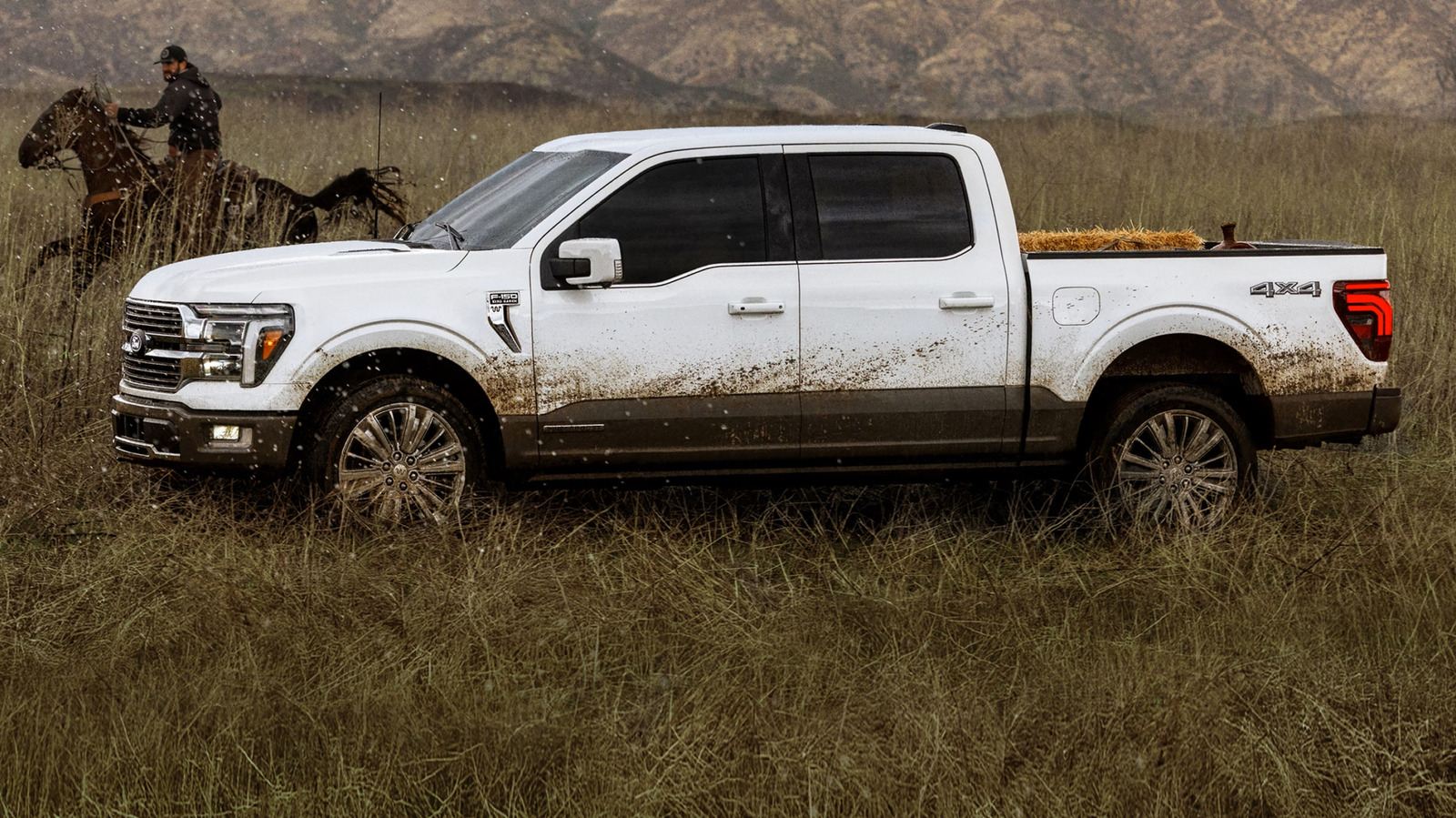
The FX4 badge on a Ford truck signals an off-road package and styling, not an automatic promise of four-wheel drive. This article explains what the FX4 label generally represents, how it differs from full-on off-road models, and what to check if you care about actual 4×4 capability. Read through these practical points so you know what that little badge really means at the lot or on the highway.
At its core, FX4 is Ford’s way of grouping together parts and tweaks meant to improve a truck’s off-road manners and durability. That usually covers tougher skid protection, suspension tuning, and traction-focused tires, plus some unique cosmetic details. The badge communicates intent: this truck was equipped to deal with rougher ground than a base model.
Seeing FX4 on the tailgate doesn’t automatically mean the truck has a four-wheel-drive drivetrain, although many FX4-equipped trucks are sold alongside or paired with 4×4 systems. In practice, the package is most useful when combined with an actual transfer case and front differential, but the name itself points to hardware and setup rather than a drivetrain guarantee. So don’t assume power distribution just from the logo; inspect the mechanical pieces if you need true 4×4 capability.
Typical components bundled in an FX4 setup tend to be practical and functional instead of flashy. Expect underbody protection like skid plates for the fuel tank or transfer case, shock absorbers tuned for rough terrain, and sometimes all-terrain tires. Inside and out there may be visual cues such as unique badging, floor mats, and trim that say this truck was prepped for more aggressive use than the average daily driver.
It helps to know where FX4 sits in Ford’s off-road hierarchy. FX4 is an off-road-oriented package but not a high-performance variant with race-grade suspension or extreme off-road gearing. Trucks like the Raptor or certain Tremor models are aimed at higher-speed, heavy-duty, or specialized off-road performance while FX4 targets practical capability for weekend trails and work sites. If you want extreme performance, check those other badges and their specific hardware.
Want to verify whether a truck really has four-wheel drive? Start inside the cab: look for a 4WD selector dial, a transfer case shifter, or buttons labeled 4H and 4L, which are clear indicators of a selectable four-wheel-drive system. A physical inspection of the front axle for a differential and drive axles leading to the front wheels gives you certainty, and a VIN or build sheet will list drivetrain configuration if available. Always test the system on a short drive or ask for a demonstration of the 4WD engagement to be sure it works as expected.
When shopping used, FX4 can be a useful shortcut for finding trucks with a tougher setup, but it should be only one part of your checklist. Inspect the condition of skid plates, look for signs of underbody impact or repair, and evaluate the tires and suspension components for wear consistent with off-road use. Ask about any modifications, service history, and if the truck has seen heavy trail duty; badges don’t tell the whole story about how a vehicle was treated.
For everyday buyers who like a bit of capability without the cost and extremes of full performance models, FX4 often hits a sweet spot. It brings sensible protection and tuned hardware that add confidence on gravel roads, muddy tracks, or uneven work sites while keeping the truck usable for normal commuting. If your goals include serious off-pavement performance, though, pair the FX4 package with confirmed 4×4 hardware or consider stepping up to a model built from the ground up for harder off-road work.
