
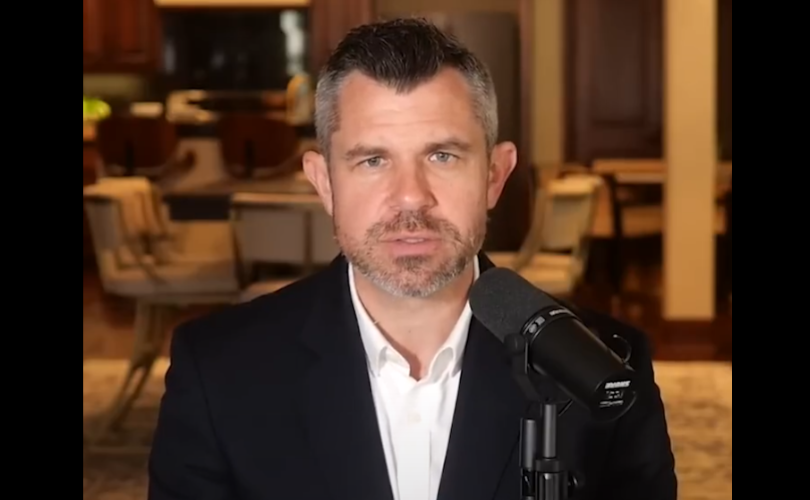
Pope Leo’s recognition of an Anglican leader stirred sharp disagreement from conservative commentators, and one former Anglican priest turned Catholic has weighed in with a stark verdict. He argues that recognizing a figure he calls a heretical ‘archbishop’ was a mistake and that true pastoral charity sometimes means confronting error. This piece explains his critique, the background that shaped his view, and the wider consequences for Catholic-Anglican relations.
Taylor Marshall, who left Anglicanism to enter the Catholic Church, has been vocal about what he sees as theological failures in certain Anglican leaders. He believes those failures are not minor disputes but foundational errors that affect ministry and sacramental validity. That conviction framed his sharp assessment of past papal recognition.
The central complaint is that Pope Leo, in recognizing an Anglican leader, effectively lent legitimacy to someone Marshall labels a heretical ‘archbishop’ of Canterbury. For Marshall the issue is not a personal attack but a doctrinal one: recognition, in his view, carries weight and can be misleading when applied to those who reject core Catholic teachings. He says charity toward souls requires correction when errors threaten the faithful.
Understanding this claim means looking at how ordination and ministry are judged across traditions. For many Catholics who became former Anglicans, questions about the form and intent of Anglican ordinations led them to doubt sacramental validity. Marshall’s own journey from Anglican ministry to Catholic orders informs his insistence that public declarations and recognitions need careful theological scrutiny.
Marshall frames charity as more than kindness or tolerance; for him it includes the duty to correct doctrinal error when it endangers souls. That echoes a long tradition in Catholic pastoral care that balances mercy with truth, insisting that love sometimes requires frank warnings. He argues this principle should guide how church leaders recognize and engage with ministers from other communions.
The debate touches broader ecumenical practice, where careful diplomacy often seeks unity without compromising confession. Critics of Marshall worry that sharp public condemnations can harden divisions and damage fragile cooperation between churches. Supporters counter that sincere ecumenism cannot ignore clear doctrinal ruptures, because reconciliation built on ambiguity leaves the faithful confused.
Marshall’s position also raises institutional questions about precedent and authority, namely how ecclesiastical leaders decide when recognition is appropriate. When a pope or other high-ranking prelate honors a cleric from another tradition, the act sends a signal about legitimacy and standing. Marshall warns that symbolic gestures must be weighed against doctrinal clarity, especially when the honored figure publicly departs from teachings the receiving church considers essential.
Responses to his critique range from sharp rebuttal to cautious sympathy, and the controversy underlines persistent tensions in modern Christian relations. Some church leaders urge patience and continued dialogue, while others insist on firm boundaries to protect sacramental integrity. Either way, the exchange has prompted fresh reflection on how charity, truth, and authority intersect in ecumenical engagement.
This discussion is not merely abstract; it affects clergy, laypeople, and the way churches present themselves to the world. Debates like this one shape pastoral practice, influence conversion stories, and inform how institutions handle complex histories of division and attempted reconciliation. The conversation continues, with proponents on both sides pressing their views about faithfulness, honesty, and the responsibilities of ecclesial recognition.

1 Comment
I most UN-apologetically agree with Taylor!