
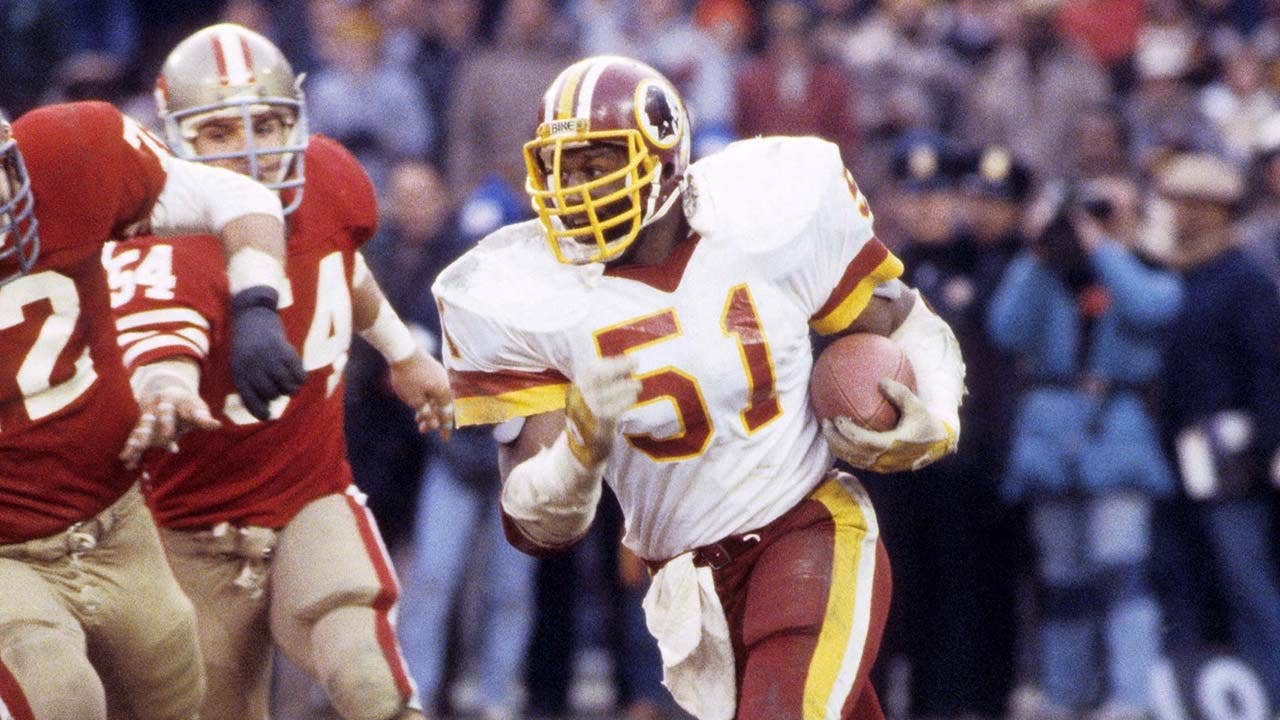
Monte Coleman, a three-time Super Bowl champion and a fixture at linebacker for Washington, has died at 68 after a 16-year NFL career with the team. His passing closes a chapter on one of the most durable, dependable defenders in franchise history and leaves a lot of gratitude from fans who remember him for tough tackles and steady leadership.
Coleman spent well over a decade and a half patrolling the defensive front, known for consistency and a knack for being where the play was headed. He wasn’t a flash-in-the-pan star, he was the kind of player coaches trusted to do the hard, ugly work every Sunday. That steady presence helped Washington lift three Super Bowl trophies and shaped the identity of the defense for years.
On the field, Coleman combined smarts and effort in a way that rarely showed up on highlight reels but always mattered on the scoreboard. He had a feel for angles and timing, which let him influence plays even when he wasn’t the one making the big tackle. Teammates often pointed to his preparation and his quiet way of setting the tone for the group in both practices and games.
Beyond the stats, his longevity is its own kind of achievement, a testament to discipline and toughness in a league that chews up bodies fast. Staying at a high level for 16 seasons requires more than talent; it takes habits, resilience, and an appetite for constant work. For fans who followed Washington through highs and lows, Coleman became a symbol of continuity across changing rosters and seasons.
The reaction from the community and former teammates reflects the respect he earned over time, with stories focusing on mentorship and dedication. Younger players often talk about veterans who taught them how to process losses and prepare for the next challenge, and Coleman fit that role naturally. When athletes are remembered for the way they helped others get better, that legacy can last long after the final whistle.
In franchise lore, players like Coleman help knit eras together, serving as a bridge between championship runs and future ambitions. His name will come up whenever people tell stories about Washington’s great defenses and the gritty culture that produced championships. Those narratives matter because they remind fans why certain teams become part of a city’s identity.
As the team and fans process the loss, the focus will be on honoring a career that meant something to a locker room and a community. Celebrations of a player’s life often bring back old broadcasts, locker-room memories, and conversations that surface how much one person can influence a group. Coleman leaves behind the kind of career that prompts those conversations and keeps a connection between past and present alive.
