
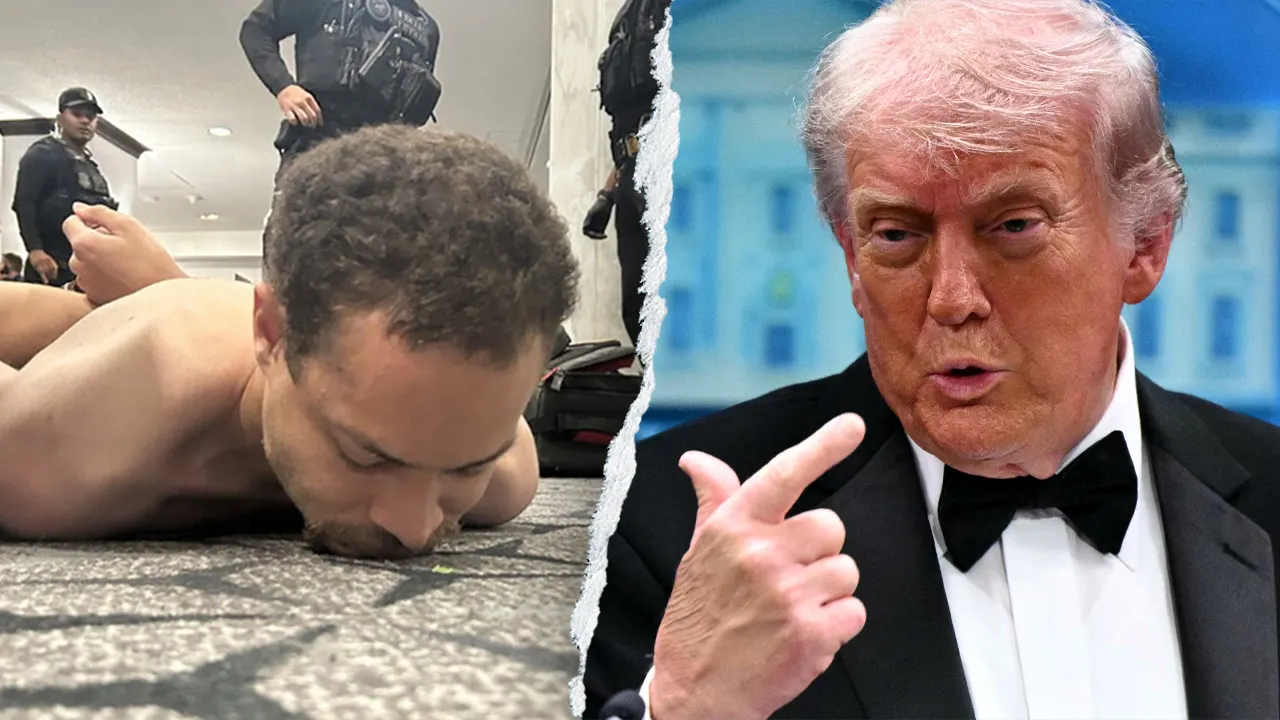
Donald Trump walked out of a chaotic night with his brand intact even as his political house creaks, showing that resilience is his trade. An attempted assassination at a high-profile dinner focused attention on his vulnerability and the competence of the Secret Service, while polls, policy fights, and defections among allies underline real political trouble. This piece looks at the immediate aftermath of the shooting, the larger political pressures weighing on the president, and why a comeback remains possible despite the headwinds.
The scene at the Correspondents’ Association Dinner was tense and dramatic, and attention immediately turned to how Trump handled being targeted. He “fought like hell” to stay, a line that captures both his instinct to brave confrontation and the spectacle that follows him. The Secret Service ultimately cleared the room after a member was shot and saved by a vest, a reminder that the risks around high office are not abstract talking points.
That episode, chilling as it was, didn’t exist in isolation. Trump faces a pileup of political problems: an unpopular foreign conflict, economic pains at the pump, and damaging internal battles over redistricting. The image of a presidency under siege is real, with even conservative media figures who once stood by him now airing sharp complaints.
Electoral mathematics add to the pressure. The incoming House looks likely to be controlled by Democrats, and talk of impeachment already bubbles up among the new majority. Removal in the Senate is unlikely, but a flood of hearings and investigations would define his remaining months and drain political energy from his agenda.
Polling has taken a noticeable hit, with approval ratings sliding and independents showing openness to impeachment in some surveys. Yet raw numbers don’t always tell the whole story; they’re a snapshot that can shift fast once voters focus on competing arguments and on-the-ground realities. Trump’s name recognition and ability to set the news agenda are unmatched assets he can exploit between now and the midterms.
On policy, he still has tools left to make headlines and act without Congress. Executive actions on drug policy and research, for instance, are concrete moves that can change the narrative and appeal to voters tired of gridlock. The power of the bully pulpit lets him frame any comeback as overdue course correction rather than retreat.
Critics are vocal and often gleeful. Columns calling him “desperate” and out of his depth are everywhere, and former allies now calling him erratic cut painfully. “Trump looks desperate to run for the hills,” says New York Times columnist Maureen Dowd, a quote many opponents will put on repeat to define the moment for swing voters.
At the same time, the media environment is polarized. Relentless coverage of his every misstep feeds narratives of decline, and many Americans increasingly view that coverage as hostile and personal. That skepticism about media motives can blunt the impact of negative headlines and help Trump maintain a base that distrusts mainstream outlets.
There are also optics and health questions being raised, especially as the president approaches 80 and appears on camera closing his eyes in meetings. Those moments are turned into political fodder by opponents and become a part of the broader story about fitness for office. Still, voters have often judged leaders on results and instincts rather than on carefully curated images alone.
The shot that night also served to spotlight the performance of law enforcement. The Secret Service response was swift and effective, and public gratitude for that competence should be universal regardless of politics. For Trump, the incident underscored both the literal danger of public life and the symbolic weight he claims as a target for those who want to make a statement.
Internally, the MAGA coalition is showing cracks as prominent conservatives voice dismay over foreign policy choices and perceived instability. That fragmentation matters because it changes how the movement organizes and who speaks for it in key media spaces. But coalitions shift; fractures today can be papered over by bold policy moves or a rallying issue that remobilizes supporters.
Trump’s capacity to dominate conversation is his enduring advantage, and he knows it. Whether through calculated executive orders or constant engagement with reporters, he can pivot the debate and force opponents to react. The political terrain in the next six months will be messy, and anyone who bets against his ability to stage a comeback is forgetting a pattern that has played out repeatedly in recent years.
