
The 1932 Ford is the poster child of hot rodding, but this article opens the garage door to other vintage cars that make excellent hot rod platforms, explains why they work, and offers practical ideas for building without losing character. You’ll get straightforward picks, what makes each model desirable for a hot rod conversion, and key build considerations like parts availability, cost, and style choices. No fluff, just the cars and the reasons they’re worth turning into something punchy and personal.
The 1932 Ford might be the classic hot rod vehicle, loved for its lightweight lines and simple mechanicals that invite modification and creativity. Its popularity partly comes from an enormous aftermarket and a cultural cachet that keeps values high and parts plentiful. That combination makes it both an obvious choice and a helpful benchmark when comparing other vintage candidates.
The Ford Model A from the late 1920s and early 1930s is a natural sibling to the ’32 but usually easier on the wallet and easier to find in rolling condition. Its simple ladder frame and abundant reproduction body parts let builders swap in modern drivetrains or rebuild a period-correct flathead without hunting for rare pieces. The result is an accessible route to classic looks with modern reliability and improved drivability.
The 1934 Ford and other mid-1930s Fords bring a more streamlined silhouette that many builders prefer for a sleek hot rod. Those curved fenders and more graceful lines look sensational chopped and lowered, and there’s a solid parts network to support frame mods and engine swaps. If you want vintage charisma with a touch more elegance than the blunt ’32, this era delivers.
Jumping ahead, the 1955 through 1957 Chevrolets—often called tri-fives—offer a different vibe: chrome, fins, and a platform ready for small-block Chevy power. These cars are ideal if you want a hot rod that also leans into show-car polish, with tons of aftermarket suspension, brake, and interior upgrades available. Builders love them for predictable handling upgrades and the ease of engine and transmission swaps.
Classic pickups, like the late 1940s and early 1950s Chevrolets and Fords, give hot rod projects a utilitarian, workhorse personality that stands out at a car meet. The truck stance looks great lowered, and the beds allow creative fabrication work that sedans can’t match. Parts are generally plentiful, and the styling makes them perfect candidates for restomods that blend performance with practical daily-drivable cues.
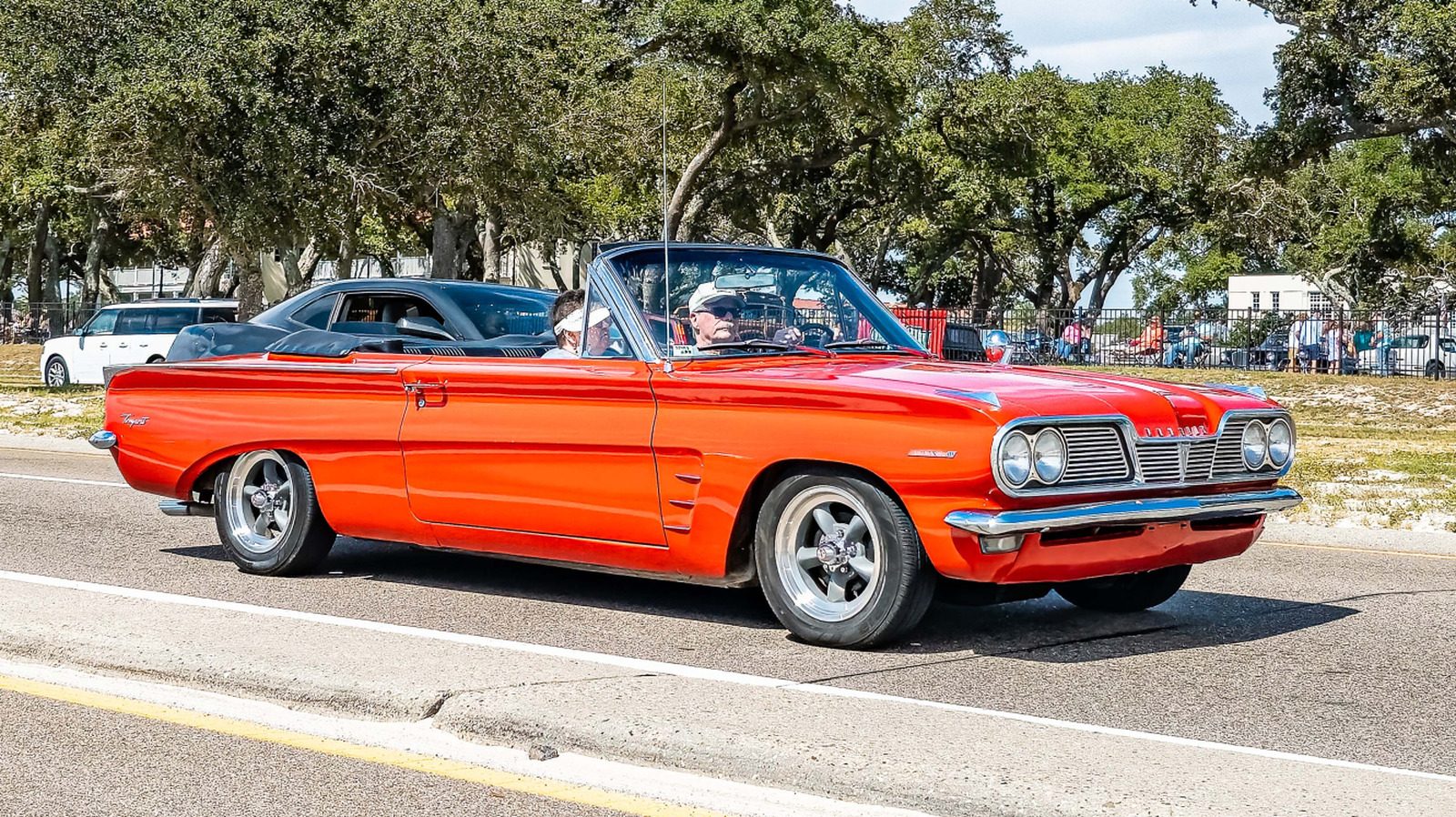
If you’re after something less obvious, some late 1950s and early 1960s American coupes—Buicks, Oldsmobiles, and even some Pontiacs—can be converted into muscular, heavy-hitting hot rods. These cars often come with sturdier frames and room for big V8s, though they demand more attention to suspension and braking upgrades to handle the extra power. Choose one if you prefer a hefty road presence and a smooth, long-hood aesthetic.
For builders who want European flair, early Jaguars and saloons can be turned into distinctive hot rods, but they require careful planning because parts and engineering quirks differ from domestic cars. Those builds are for the patient and the detail-minded, rewarding effort with a car that stands apart from the usual Chevy and Ford projects. Expect to source specialty parts or adapt modern components for safety and performance.
When picking a platform, prioritize your end goal: period-correct hot rod, modern restomod, daily driver, or show car. Consider parts availability, how much fabrication you want to do, and whether you prefer a lightweight chassis or a heavier shell that accepts big power. Balance ambition with budget, pick a car you enjoy looking at every morning, and plan upgrades that improve brakes, suspension, and safety as you build.
Finally, think about styling choices early—patina and chopped roofs deliver different moods than glossy, perfect paint—and let that vision guide mechanical decisions so the finished car feels coherent. Keep a clear plan for driveline compatibility and suspension geometry before you cut the frame or order major components. Start small, stay practical, and let the car’s character guide the hot rod you create.
