
This piece explains what it means when a diesel engine derates, why the engine will cut power, common triggers and warning signs, practical immediate steps if it happens while driving, and straightforward maintenance tips to reduce the chance of it happening again.
When a diesel engine derates it intentionally limits power output to protect itself, the drivetrain, or the emissions system from damage. You’ll feel the truck lose punch, the RPMs cap out, and often see a warning lamp or message on the dash. This built-in limp behavior keeps you moving slowly rather than letting a serious problem turn into a disaster on the road.
High operating temperatures are a frequent cause of derates, and overheating can come from a bad thermostat, clogged radiator, or low coolant level. Intake air that is too hot or restricted airflow from a filthy air filter will also trigger the engine control unit to back off power. Turbocharger faults and leaks in the intake tract can mimic those same symptoms and prompt a derate as well.
Emissions-related systems are another common culprit, especially DPFs that can’t complete regeneration or DEF dosing faults in modern diesels. When sensors detect blocked particulate filters or incorrect diesel exhaust fluid parameters, the ECU often reduces engine output to limit soot production and protect aftertreatment components. That kind of derate is annoying but designed to avoid expensive downstream repairs and to force attention to a failing system.
Electronics and sensor failures trigger derates more often than people expect because the computer relies on accurate inputs to manage fuel and timing. Faulty MAF, MAP, coolant temperature, or fuel pressure sensors will confuse the ECU and it will respond by restricting power until the readings return to safe ranges. Wiring issues and poor grounds are easy to overlook but they cause intermittent sensor errors that invite derates.
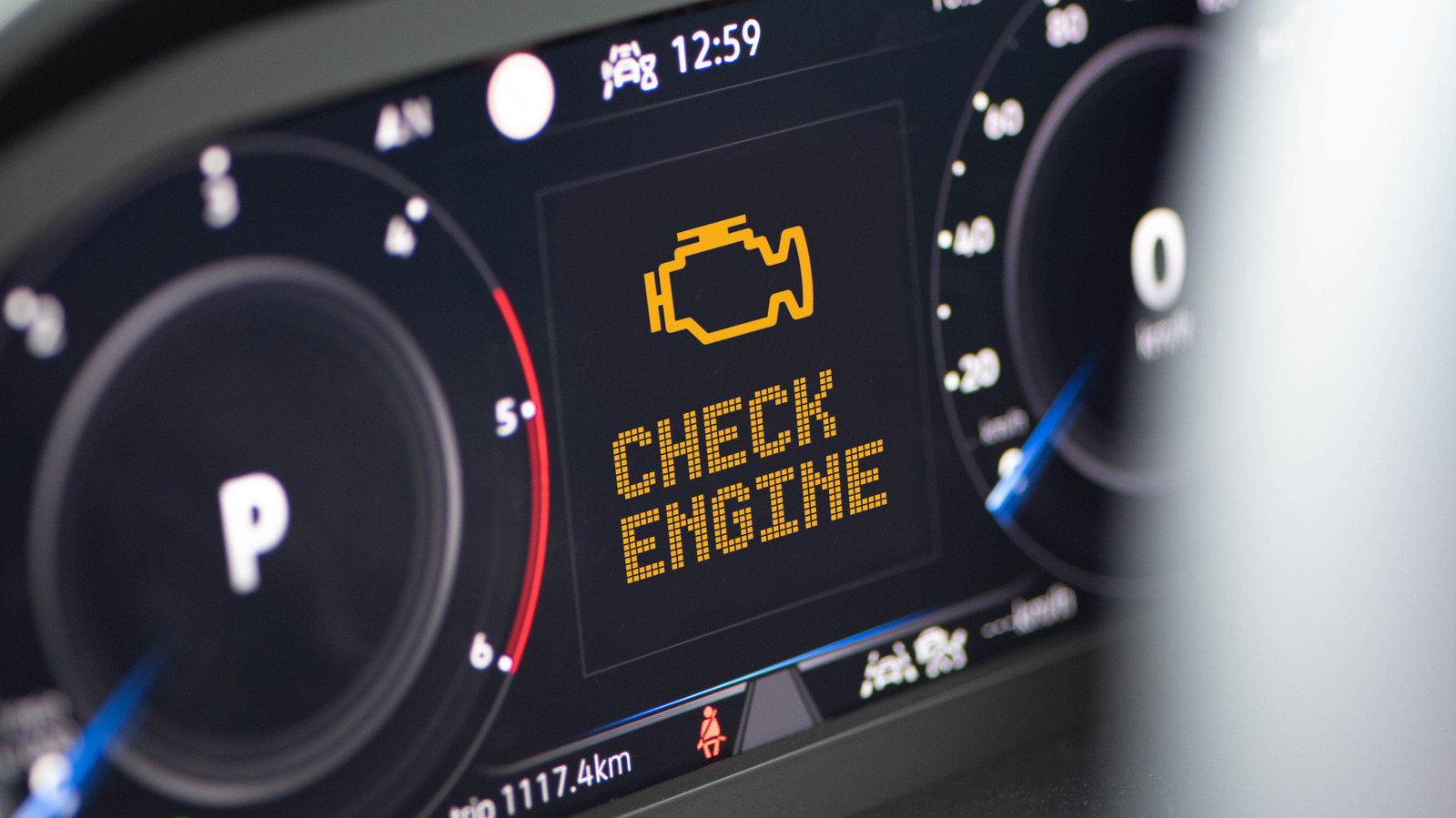
On the road the derate feels consistent: reduced acceleration, a firm RPM limit, sluggish throttle response, or a hard shift into a kind of limp mode. Warning lights or service messages usually accompany the performance loss, but some derates happen silently so paying attention to how the vehicle behaves matters. Ignoring it and pushing the pedal harder often does nothing and risks worsening the underlying problem.
If your diesel derates while you’re driving, the first safe move is to slow down and find a place to stop where you can inspect fluids and gauges. Let the engine cool for a few minutes, look for obvious leaks or loose hoses, and check coolant, oil, and DEF levels before trying to continue. Avoid restarting repeatedly or towing at heavy load until you’ve at least read the trouble codes and identified the likely cause.
Diagnosing derates starts with scanning the vehicle’s fault codes with an OBD tool that reads diesel systems; that step often points straight to the failed sensor or subsystem. After that, a quick visual inspection of the intake, turbo plumbing, wiring harnesses, and emissions components can reveal obvious problems you can address on the spot. Don’t clear codes and drive away unless you fixed the root cause, because the derate will likely return and you’ll have lost useful diagnostic data.
Common repairs that cure derates include replacing bad sensors, repairing intake leaks, servicing or cleaning a clogged DPF, correcting DEF dosing issues, and fixing turbocharger faults or boost control problems. Some repairs are inexpensive and quick, while others like DPF replacement or turbo work require shop time and higher costs. Preventive service and prompt attention to early warning signs usually keep repair bills reasonable.
Preventing derates is about disciplined maintenance: change filters, keep the intake and turbo system clean, perform scheduled DPF regeneration or service, and use the right quality fuel and DEF. Inspect wiring and connectors regularly, and address oil or coolant leaks early before they affect sensors and control modules. A modest investment in routine care cuts the risk of inconvenient derates and expensive emergency repairs down the road.
Practical owner tips include carrying a simple OBD2 scanner for quick checks, keeping a basic toolkit and spare hoses in the truck, and knowing your trusted diesel mechanic for emergency diagnostics. Avoid quick-fix tuning or aftermarket parts that can upset emissions systems and invite derates or worse failures. Finally, document any derate events and repairs so recurring issues are easier to diagnose and resolve with the right parts and procedures.
