
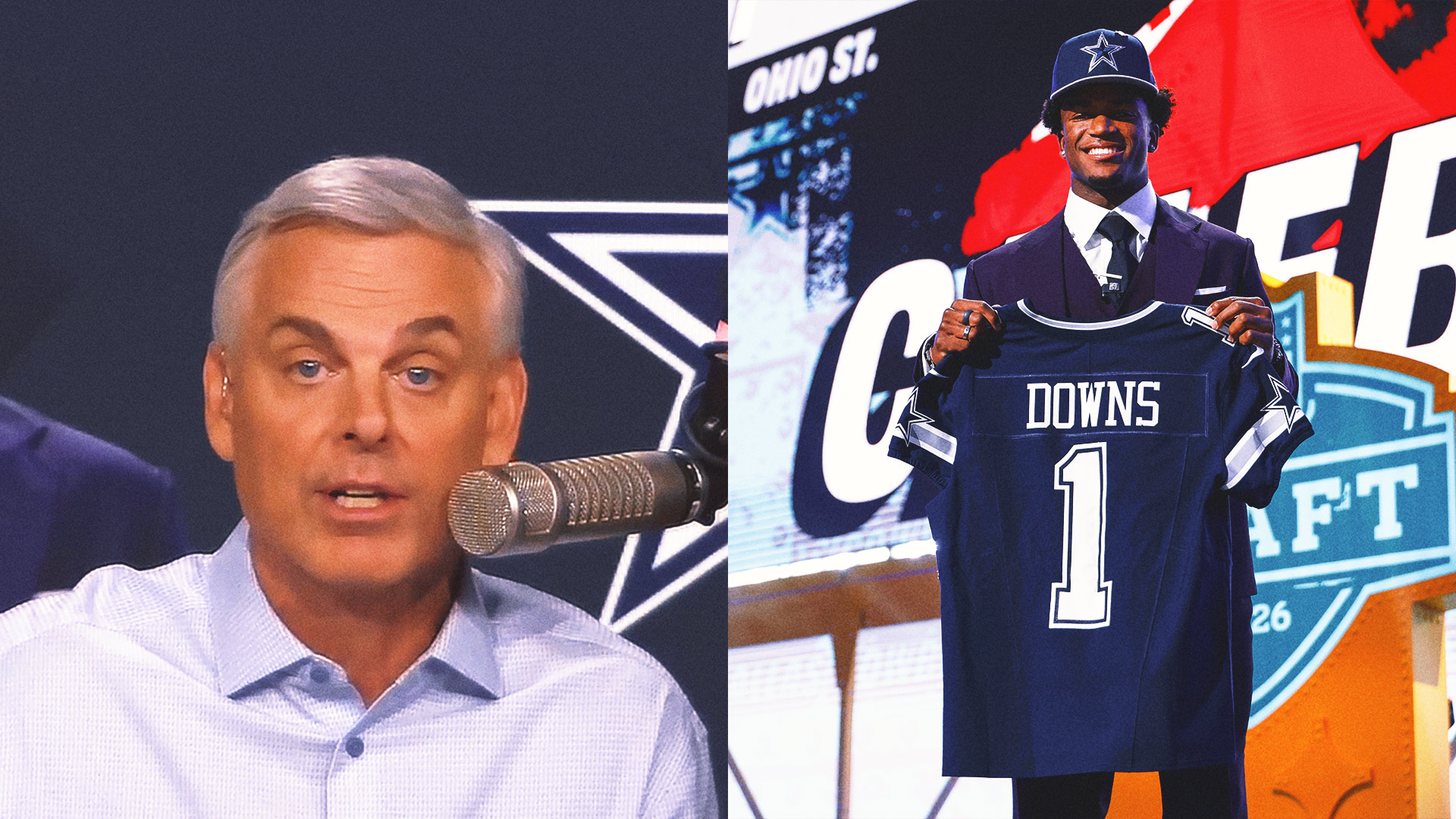
Colin Cowherd has pointed to Caleb Downs as the draft’s biggest bargain, arguing that the Dallas Cowboys landed a player whose instincts and playmaking remind him of Ed Reed. This piece explores what that claim means, how Downs profiles as a pro, and what it could look like if the comparison holds up in the NFL.
Cowherd’s praise landed because Caleb Downs arrived with buzz but not the fanfare of some top picks, making the “steal” label catchy and provocative. The notion of comparing a rookie safety to Hall of Famer Ed Reed raises expectations instantly, so it is worth unpacking which parts of that comparison make sense and which are hopeful. Media narratives push stories like this because they help shape how fans and teams perceive a player’s immediate value.
On tape, Downs shows a rare combination of timing and anticipation that jumps out to scouts and analysts alike. He reads quarterbacks and routes with a quickness that often lets him be in the right place at the right time, which is the core of any Ed Reed comparison. That natural feel for where the ball is headed is different from pure athletic traits; it’s a mental sharpness that can accelerate a young defender’s impact.
Physically, Downs does not match Reed’s elite athletic ceiling or game-breaking range, so the comparison should be measured. Ed Reed was a unique blend of ball skills, range, and turnover instincts that translated into game-changing plays on a weekly basis. Downs’ profile suggests a strong, smart safety who can make plays in the deep middle and around the line of scrimmage but will likely reach his peak in a different way than Reed did.
The Cowboys’ staff landed a player with positional versatility, which is a premium in today’s defenses. Downs can handle center-field duties, work down in the box, and move to the slot when coverage schemes demand it, giving coaches multiple looks without a personnel change. That flexibility matters more than a single flashy stat because it allows defensive coordinators to hide younger players while exploiting matchups.
Draft value becomes the clearest part of Cowherd’s argument: if a player with Downs’ upside comes at a later first-round spot, it feels like a steal. Teams should covet players who can contribute right away while still growing, and selecting a safety who understands game flow fits that desire. For the Cowboys, getting a high-floor player who also carries turnover potential is the kind of draft outcome that calms critics and boosts roster depth.
There are real developmental wrinkles to iron out for Downs to reach the kind of consistent impact Cowherd envisions. Tackling technique against pro backs, route recognition against elite tight ends, and shedding blocks in the box are areas where younger safeties traditionally need rep work. Coaching will play a decisive role in turning those raw instincts into repeatable plays across a full NFL season.
How the Cowboys deploy him will shape public perception faster than any highlight reel. If the staff puts Downs in situations where he can make plays early—designed blitzes, disguised coverages, or special teams snaps—he can build confidence and a highlight tape quickly. Conversely, a conservative role designed to ease him in could mute early expectations but protect his long-term trajectory.
Beyond the on-field specifics, the Ed Reed line says as much about narrative framing as it does about personnel evaluation. Fans and pundits love to anchor rookies to legends because it creates a storyline you can follow from Week 1 through contract years. That framing raises scrutiny and pressure, but it also magnifies every positive play into a piece of growing lore.
The most useful takeaway is straightforward: Caleb Downs arrives in Dallas with tools and instincts that make a strong case for early impact, and Colin Cowherd’s “steal” take spotlights that potential. Whether the comparison to Ed Reed becomes a footnote or a headline will depend on coaching, opportunity, and how quickly Downs polishes the gaps in his game. The coming season will offer the clearest evidence of whether a savvy pick turned into a franchise-level advantage or just a promising start.
